Brett Adcock commands Figure AI with a $39B valuation
Brett Adcock commands Figure AI with a $39 billion valuation following a Series C round in September 2025. This round raised over $1 billion and included investors like Brookfield Asset Management, NVIDIA, Microsoft, and Salesforce. Other participants included Macquarie Capital, T-Mobile Ventures, Qualcomm Ventures, Intel Capital, and LG Technology Ventures. Total company funding reached $1.9 billion. This follows a February 2024 Series B round that raised $675 million at a $2.6 billion post-money valuation. That round included investors such as Amazon, Samsung Venture Investment, and ARK Investment Management. The Series B round sold an estimated 26% stake. Earlier, the company raised $70 million in its May 2023 Series A with contributions from Jesse Coors Blankenship and Till Reuter. A Series A Extension occurred in July 2023 with Big Sky Partners and Intel Capital. The company also raised a $100 million seed round in May 2022. Figure AI maintains a headcount of 575 employees. You likely know how quickly capital flows into the robotics industry.
BMW Spartanburg testing and the transition to Figure 03
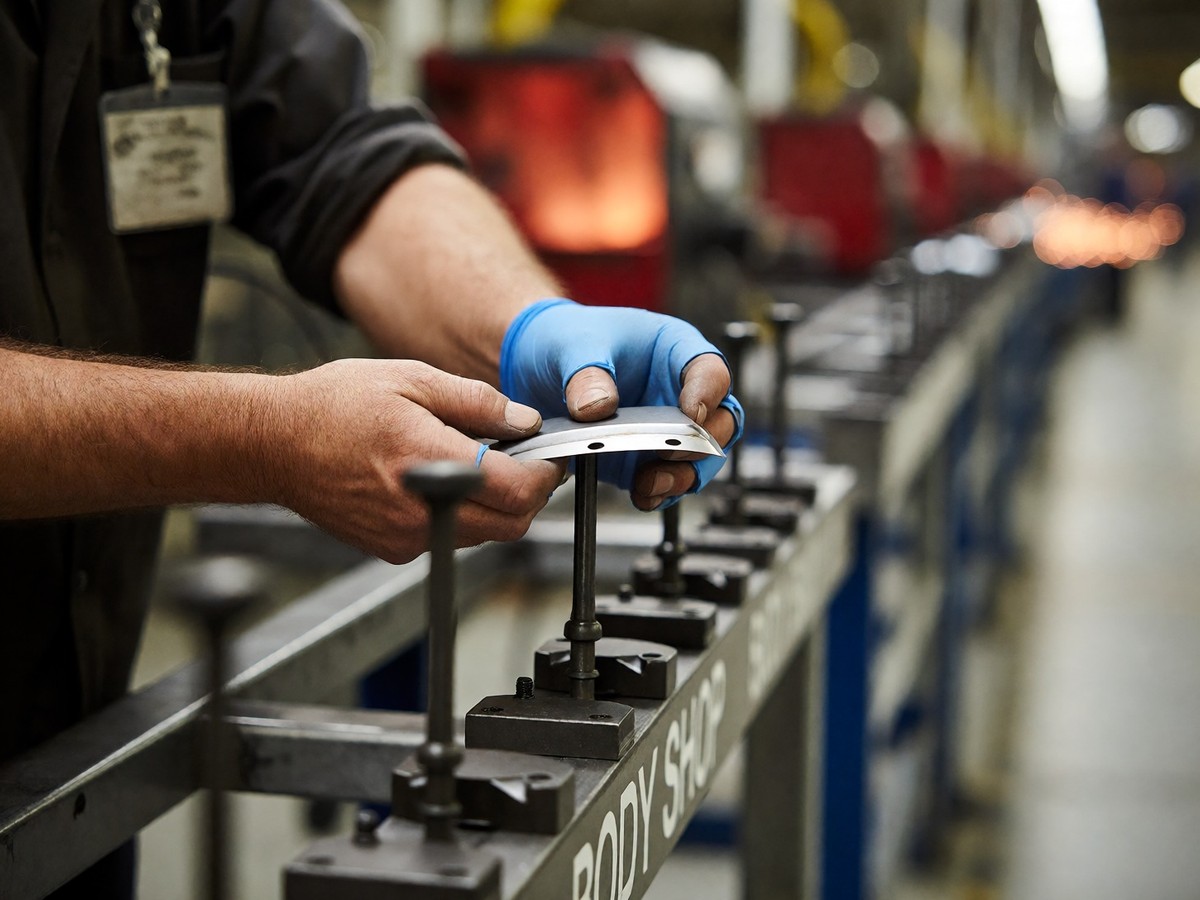
The deployment of Figure 02 at the BMW Spartanburg plant proves the utility of humanoid robots in manufacturing. This facility operates as the largest automotive exporter in the US. During an 11-month pilot, Figure 02 completed 1,000 placements per day. The robot handled difficult sheet metal parts. It placed sheet metal into a pin-pole less than one centimeter wide with millimeter-level accuracy. This process reduced the operation’s cycle time by four minutes. Figure 02 helped produce more than 30,000 BMW X3 vehicles during the trial. While Figure 02 worked in the body shop, the company now moves Figure 03 into logistics environments to handle sequencing tasks. Figure 03 organizes unsorted components into sequencing trolleys. This movement expands the use of Physical AI. Car makers like Honda and Hyundai also experiment with human-like robots. Tesla develops the Optimus humanoid robot. Elon Musk predicted there will be a billion humanoid robots on Earth by the 2040s. One downside remains: the robot requires training to master specific skills for every task.
Technical specifications of Figure 03 and mass production
The engineering team designed Figure 03 for high-volume manufacturing through the new BotQ facility. The company aims to produce 12,000 robots annually at this site and targets a total of 100,000 units over the next four years through a vertically integrated and highly scalable manufacturing supply chain. The design shifts from CNC machining to die-casting, injection molding, and stamping. Figure AI vertically integrates the production of actuators, batteries, and sensors.
| Spec | Figure 03 Detail |
|---|---|
| Data Offload | 10 Gbps mmWave |
| Charging | 2 kW wireless inductive |
| Tactile Sensitivity | 3 grams of pressure |
| Battery Safety | UN38.3 certified |
| Annual Production | 12,000 units |
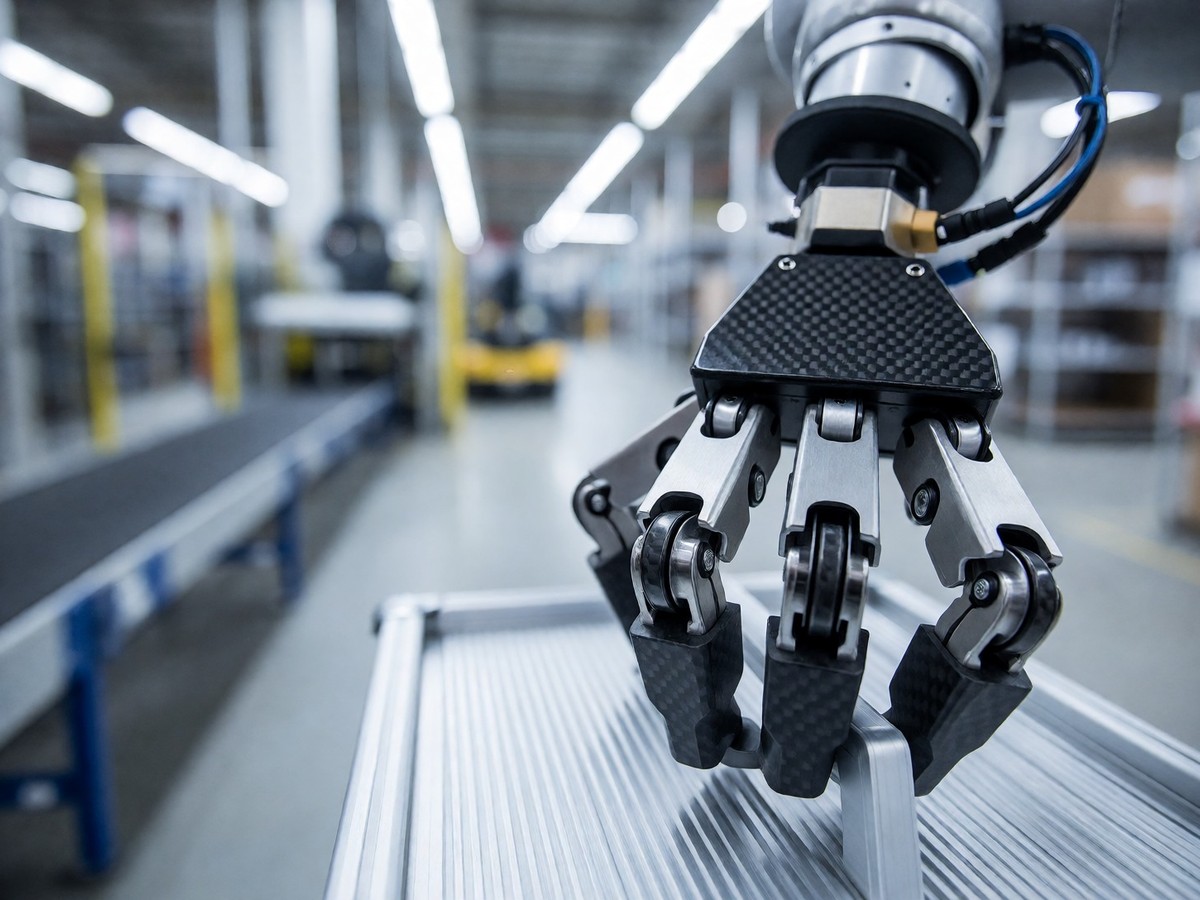
The robot uses the Helix AI to perform tasks. The new camera architecture delivers twice the frame rate, one-quarter the latency, and a 60% wider field of view per camera, which allows the Helix AI to maintain a much denser and more stable perceptual stream. The hands include embedded palm cameras that provide redundant, close-range visual feedback during grasps, and this allows Helix to maintain visual awareness even when main cameras face occlusion in confined spaces. The redesigned fingertips detect forces as small as three grams of pressure. This precision enables the robot to distinguish between a secure grip and an impending slip. The battery includes multiple layers of protection at the cell, interconnect, and pack levels. The robot also uses wireless inductive charging to allow for near-continuous operation. The audio hardware includes a speaker twice the size of the previous model and a repositioned microphone. The chassis includes multi-density foam for safety and soft textiles instead of hard parts. The company allows customers to design distinct uniforms for their fleets using durable or cut-proof materials. New side screens on Figure 03 allow for quick identification across large fleets. Can the company actually maintain these production targets at BotQ?