Waymo expands service areas
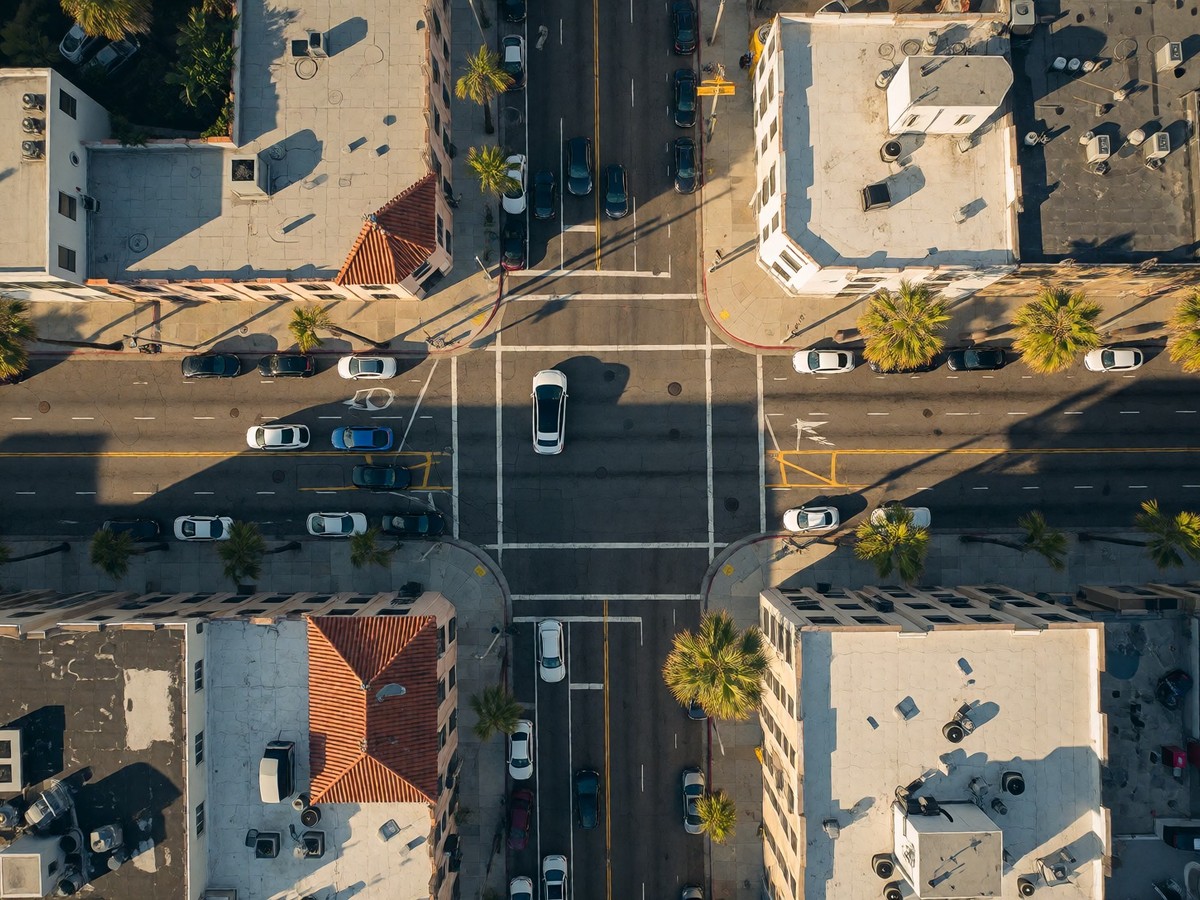
Waymo delivers more than 400,000 weekly rides across 10 US metros. This volume grew from 200,000 in February before the company expanded in the San Francisco Bay Area and Austin. The company operates driverless services in San Francisco, Los Angeles, Phoenix, and Austin. In Los Angeles, Waymo operates across 120 square miles, including Playa del Rey, Ladera Heights, Echo Park, Silver Lake, and Sunset Boulevard. Waymo vehicles also drive on freeways in Los Angeles, the Bay Area, and Phoenix. In Miami, the service covers 100 square miles and reaches Miami International Airport by crossing the MacArthur and Venetian causeways. Waymo also received authorization to test vehicles in Pittsburgh with a trained specialist behind the wheel.
Waymo faces operational challenges as it scales its fleet. An Austin vehicle obstructed emergency medical services responding to a mass shooting on Sixth Street. In San Francisco, a power outage in December caused 1,593 instances where vehicles paused for two or more minutes. The company dispatched staff or tow trucks to retrieve 64 Jaguar I-PACE vehicles during that outage. San Francisco dispatchers called Waymo 31 times during the disruption, and one dispatcher waited on hold for 53 minutes. Waymo’s Michael Magee told the Board of Supervisors that the company did not meet its standards during the outage. A vehicle in Santa Monica struck a 9-year-old girl in January. The car slowed from 17 mph to 6 mph before the impact. Waymo also lobbies for a state certification system in Virginia. A bill in the General Assembly would create a system for commercial driverless vehicles, but Waymo says the proposal is in limbo due to opposition from other automated vehicle companies and automotive manufacturers.
Tesla targets Cybercab deliveries
Tesla reported $28.05 billion in revenue for the third quarter of 2026. This revenue was flat compared to the previous year. Net income fell 43% to $787 million. Research and development spending rose 69% to $2.76 billion to support superintelligence work. Tesla delivered 486,532 vehicles, which was a 2.1% decrease. Battery availability remains the limiting factor for increasing vehicle volumes. Tesla aims to begin Cybercab deliveries to customers by the end of 2026. Most current Cybercab production at Gigafactory Texas goes to Tesla’s internal fleet. The company has an installed annual capacity of more than 125,000 Cybercabs. Tesla also plans 400 megawatts of AI training computers by the end of the year. Active Full Self-Driving subscriptions reached 1.74 million, up from 1.04 million a year ago.
| Feature | Waymo | Tesla Cybercab |
|---|---|---|
| Vehicle Type | Jaguar I-Pace | Custom built |
| Autonomous Tech | LiDAR, cameras, radars | Cameras |
| US Service Areas | SF, LA, Phoenix, Austin | Austin |
| Estimated Price | Premium | ~$30,000 |
While Waymo expands its service area in Los Angeles to include areas like Playa del Rey and Silver Lake, Tesla continues to use safety monitors in its vehicles as it prepares for the end of year Cybercab deliveries. Tesla’s operating margin was 2.6%, compared to 5.8% a year ago.
Pricing and service differences
Tesla’s robotaxi service in San Francisco averages $8.17 per ride. This fare is lower than Waymo’s pricing. Waymo averages $5.72 per kilometer, while Tesla averages $1.99 per kilometer. The wait times differ between the two companies. Waymo’s average pickup time is 5.74 minutes. Tesla’s average pickup time is 15.32 minutes. You might find the wait frustrating if you prefer speed. Tesla’s Cybercab is a two-seat vehicle with no steering wheel or pedals.
Tesla’s pricing strategy relies on high volume and low costs. The company’s robotaxi service currently uses safety monitors behind the wheel. NHTSA is investigating the Cybercab. Tesla expects unsupervised Full Self-Driving to reach consumer cars in the second quarter of 2027. Waymo’s service in Austin previously faced investigation when vehicles passed stopped school buses with active flashers at least 20 times. In one instance, a remote assistance operator in Michigan incorrectly told a vehicle to proceed past a bus with extended stop arms. An Obi analysis of 94,348 rides showed that comfort levels with robotaxis jumped from 35% to 63%, but 47% of respondents specifically cite system failures as a persistent worry. The market awaits more data from NHTSA. Will Tesla’s low prices force Waymo to abandon its premium model?