The shift from cooperation to competition
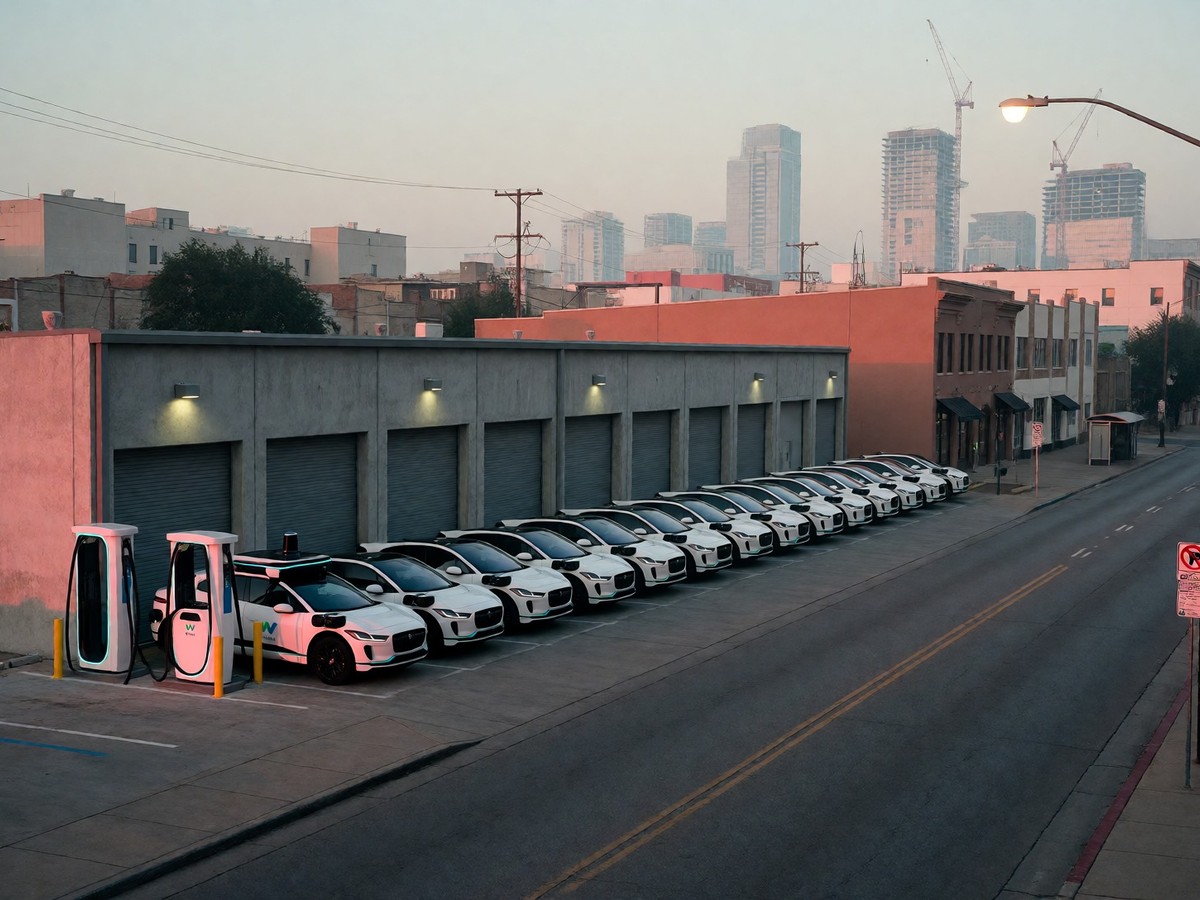
Waymo and Uber are moving toward a strategic split in markets like Austin and Atlanta. The companies plan to end their current partnership in these cities in 2028. I see the Phoenix arrangement as a preview, as Waymo ended that deployment in May 2026 and moved its dozen vehicles back to its own fleet. While Uber provides immediate demand and human driver fallbacks, Waymo is building its own direct customer relationship through its app, which aims to capture more profit and brand control than the current partnership allows. The relationship in Austin remains tied to Uber because the ride-hailing leader handles vehicle dispatching, cleaning, repairs, and depot operations. Uber also provides a fallback network of human drivers that a Waymo-only network lacks during bad weather or fleet shortages. This partnership helped Waymo scale quickly in Texas, but the strategic friction grows as Waymo seeks more pricing and data control. Waymo executives expressed confidence that they can work with regulators to clear the way for completely driverless rides in Washington by next year, but the tension with Uber in Austin remains a significant hurdle to long-term stability. Waymo currently relies on Uber in only two of its eleven US markets, meaning its dependence on the partnership stays relatively low. In Phoenix, Waymo completed hundreds of thousands of trips with Uber before the partnership dissolved. Waymo now provides 500,000 weekly paid trips across 10 U.S. cities as of March 2026. Its 2025 annual trips totaled 14 million, which is three times the 4.5 million rides from 2024.
Safety incidents and labor opposition
Safety incidents and labor opposition create significant friction for Waymo’s expansion. NHTSA data shows 134 incidents in Austin and 20 in Atlanta. In late 2025 and early 2026, Waymo vehicles in Austin and Atlanta illegally passed stopped school buses with flashing red lights. The Austin school district documented at least 20 such incidents during the 2025-2026 school year. NHTSA also recorded a crash in January 2026 where a Waymo vehicle struck a child near a school in Santa Monica, causing minor injuries. Between July 2021 and late 2025, Waymo reported 1,429 accidents to the NHTSA. These incidents include 117 reported injuries, 4 serious injury cases, and 2 fatalities.
| City | Reported Incidents |
|---|---|
| San Francisco | 863 |
| Phoenix | 197 |
| Los Angeles | 191 |
| Austin | 134 |
| Atlanta | 20 |
Labor groups also fight the expansion. The Minneapolis City Council considers a ban to protect 10,000 rideshare drivers. In Washington, D.C., a bill called the "Autonomous Vehicle Deployment Authorization Amendment Act" faces scrutiny. You already know that Uber supports this legislation because it wants a hybrid network where human drivers and autonomous vehicles work side by side. Waymo maintains that its technology reduces serious injury crashes by 90% across 127 million miles, but regulators in various cities continue to scrutinize the safety of autonomous fleets.
Tesla’s expansion pressure
Tesla presents a structural threat in Texas. Tesla Robotaxi operates in Austin and has been fully unsupervised since January 2026. The company has 19 vehicles in Austin and has logged nearly 700,000 paid miles since June 2025. Tesla plans to launch in five more cities, including Phoenix, Miami, Orlando, Tampa, and Las Vegas, by mid-2026.
| Category | Tesla Austin Status |
|---|---|
| Operational Mode | Unsupervised |
| Fleet Size | 19 vehicles |
| Paid Miles | 700,000 |
Tesla’s Cybercab, a vehicle without a steering wheel or pedals, began production at Giga Texas in early 2026. This vehicle targets a different market than the current Model Y fleet. In Austin, Waymo vehicles complete approximately 28 trips per day, which exceeds the 21 to 22 trips per day seen in San Francisco, despite San Francisco being Waymo’s most mature market. Will Uber eventually replace Waymo with another partner like Zoox or Rivian once the contract ends? Tesla launched a fully unsupervised service in Dallas and Houston in April 2026, utilizing 25-square-mile geofences in both cities.