Hardware scale and capital investment
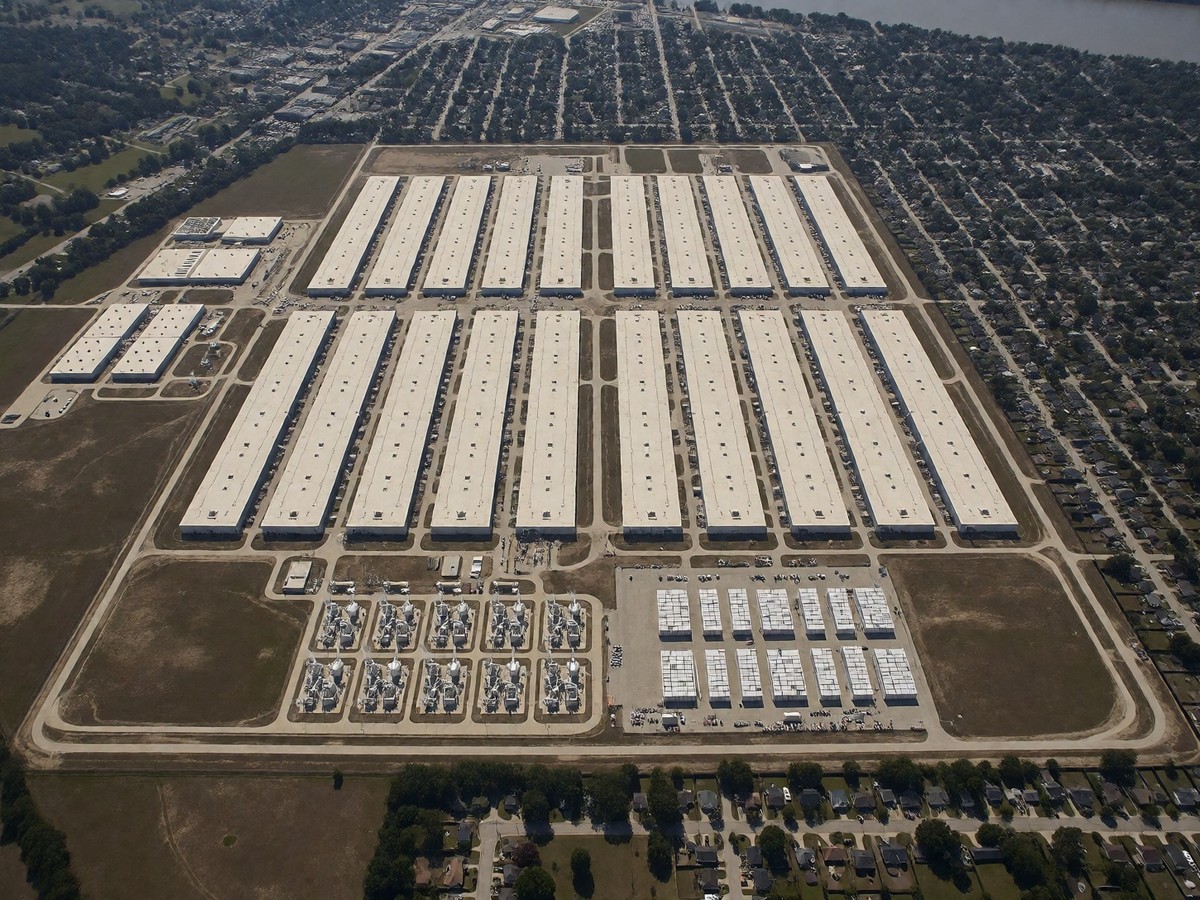
xAI’s Colossus 2 facility reached 1GW of compute capacity. The company aims to deploy 1 million GPUs by early 2026. This expansion includes the purchase of MACROHARDRR in Southaven, Mississippi, a building that adjoins the Colossus 2 site. Musk expects this acquisition to push total training compute to almost 2GW. The current installation uses 100,000 Nvidia H100 GPUs. This hardware cost $2.5 billion. xAI plans to add 300,000 B200 chips from Nvidia next year. The total project cost reaches $6 billion when factoring in other infrastructure needs. This scale allows xAI to compete with rivals like OpenAI and Anthropic. The company pursues a $15 billion funding round to finance these ambitions. xAI also plans to house 550,000 chips in Colossus 2 eventually. I find the speed of this build-out impressive, especially since the first Colossus facility reached 300MW in just 122 days. The company seeks to build a "Gigafactory of Compute" in Memphis. The project occupies a 271-acre site in southwest Memphis. This expansion adds 320 permanent jobs in its first phase. xAI also discussed raising $20 billion in debt and equity earlier this year. The company valuation reached $80 billion after the acquisition of X. The startup maintains a $24 billion valuation.
| Metric | Value |
|---|---|
| Colossus 2 compute capacity | 1 GW |
| Total planned GPU count | 1,000,000 |
| Current H100 GPU count | 100,000 |
| Total project cost | $5 billion to $6 billion |
| Permitted gas turbines | 15 |
| Reported gas turbines | 33 to 35 |
| Permitted turbine capacity | 300 MW |
Grid pressure and environmental disputes
The Southern Environmental Law Center used satellite images and thermal imaging to identify 33 turbines giving off significant heat, which proves the facility operates more equipment than the 15 turbines currently authorized by the Shelby County Health Department. These methane gas turbines emit nitrogen oxides and formaldehyde. Such emissions increase the risk of respiratory disease and ozone pollution in the region. Residents in historically Black neighborhoods near the site report a stench and difficulty breathing outdoors. The NAACP filed a lawsuit against xAI, alleging the company violated the Clean Air Act through unpermitted emissions. Mayor Paul Young stated that the company only uses 15 generators, but thermal imaging shows 33 turbines giving off heat. One permit allows the operation of 15 turbines, with non-compliance leading to fines of up to $10,000 per violation. The Memphis area has struggled to meet federal air-quality standards for ozone pollution for years. Environmental groups argue that the use of these turbines makes xAI a major source of nitrogen oxides in Shelby County. The 15 turbines xAI holds permits for provide 300 megawatts of electricity. The company also installed an $80 million water recycling plant. The facility also utilizes the world’s largest deployment of Tesla Megapacks for data center operations.
Energy strategy and utility negotiation
The Tennessee Valley Authority revised its long-term power plan because data center demand grows faster than expected. The utility projects demand could increase 60% under high-growth scenarios. To meet this, TVA may need between 4 and 13 gigawatts of new natural gas generation and 3 to 13 gigawatts of combustion turbine capacity by 2040. The utility recommends expanding battery storage and developing solar and nuclear power. TVA wants to split the load with local power companies to prevent higher electric bills for customers. You probably already know that large industrial users like xAI put immense pressure on regional grids. xAI uses Tesla Megapacks for energy storage. The company spent $36.8 million on Megapack products through February 2025. In Southaven, a facility adjacent to Colossus 2 operates seven turbines with 245MW of capacity. This site sits on 114 acres and was previously a Duke Energy plant. The Memphis area has seen data processing and hosting jobs grow by 108.8% since 2019. Shelby County hosts 16 data centers, representing 21% of Tennessee’s total. The largest local plant, Allen, provides 1,290 MW of natural gas power. Shelby County power plants have 1,571 MW of capacity, with 75% coming from natural gas. Residential customers in Memphis paid an average of 12.16 cents per kWh in 2024. Will the TVA manage to balance these industrial demands without raising costs for its 10 million residential customers?