Anthropic holds a $965 billion valuation against a $65 billion revenue run rate as of July 2026. This figure follows a $47 billion run rate in May 2026 and a $14 billion run rate in February 2026. In contrast, xAI holds a $250 billion valuation based on an annualized revenue of only $500 million. The disparity between these two companies is structural. Anthropic scales through high-value enterprise contracts while xAI relies on consumer subscriptions.
The gap in revenue efficiency is massive. Anthropic reached a $65 billion revenue run rate at the end of July, which is a sevenfold increase from the previous year. The company also reported a preliminary $11.5 billion in second-quarter revenue, which is a 14-fold rise year on year. You know as well as I do that enterprise contracts carry higher switching costs than consumer subscriptions. Anthropic’s revenue comes from multi-year contracts, API commitments, and Claude Code subscriptions. This builds deep organizational dependency.
The Revenue Ladder
Anthropic’s growth follows a steep trajectory. The company’s run-rate revenue grew from $1 billion in January 2025 to $47 billion in May 2026. This is a 47x increase in only 16 months. The monthly run-rate revenue increased roughly 1.5x every month from February to May 2026. This scale is driven by agents that perform complex tasks for hours. These agents drive browsers, write memory, and consume tokens at high volumes.
The revenue quality of Anthropic differs from its peers. Anthropic led global LLM revenue share in the first quarter of 2026 with 31.4%. This was slightly ahead of OpenAI, which held 29%. Anthropic’s 80% enterprise revenue share provides a level of stability that consumer-focused models lack. When a Fortune 500 company builds its internal workflows around Claude, the migration process is expensive and disruptive. This creates a level of stickiness that protects the company’s $965 billion valuation.
| Metric | Anthropic | xAI |
|---|---|---|
| Valuation (2026) | $965 billion | $250 billion |
| Annualized Revenue | $65 billion | $500 million |
| Primary Revenue Source | Enterprise/API | Consumer Subscription |
| Major Compute Partner | Amazon/Google/SpaceX | SpaceX |
| Primary Hardware | Trainium/TPU/Nvidia | Nvidia |
| Total Capital Raised | ~$144 billion | ~$45 billion |
The Hyperscaler Web
Anthropic maintains deep ties to the world’s largest cloud providers. Amazon is investing $5 billion in Anthropic today, and this builds on the $8 billion Amazon previously invested. Amazon can invest up to $20 billion more in the future. This brings the total Amazon commitment to Anthropic to $33 billion. Anthropic and Amazon also signed a 10-year agreement for $100 billion in AWS technologies. This agreement secures up to 5GW of capacity for training and deploying Claude.
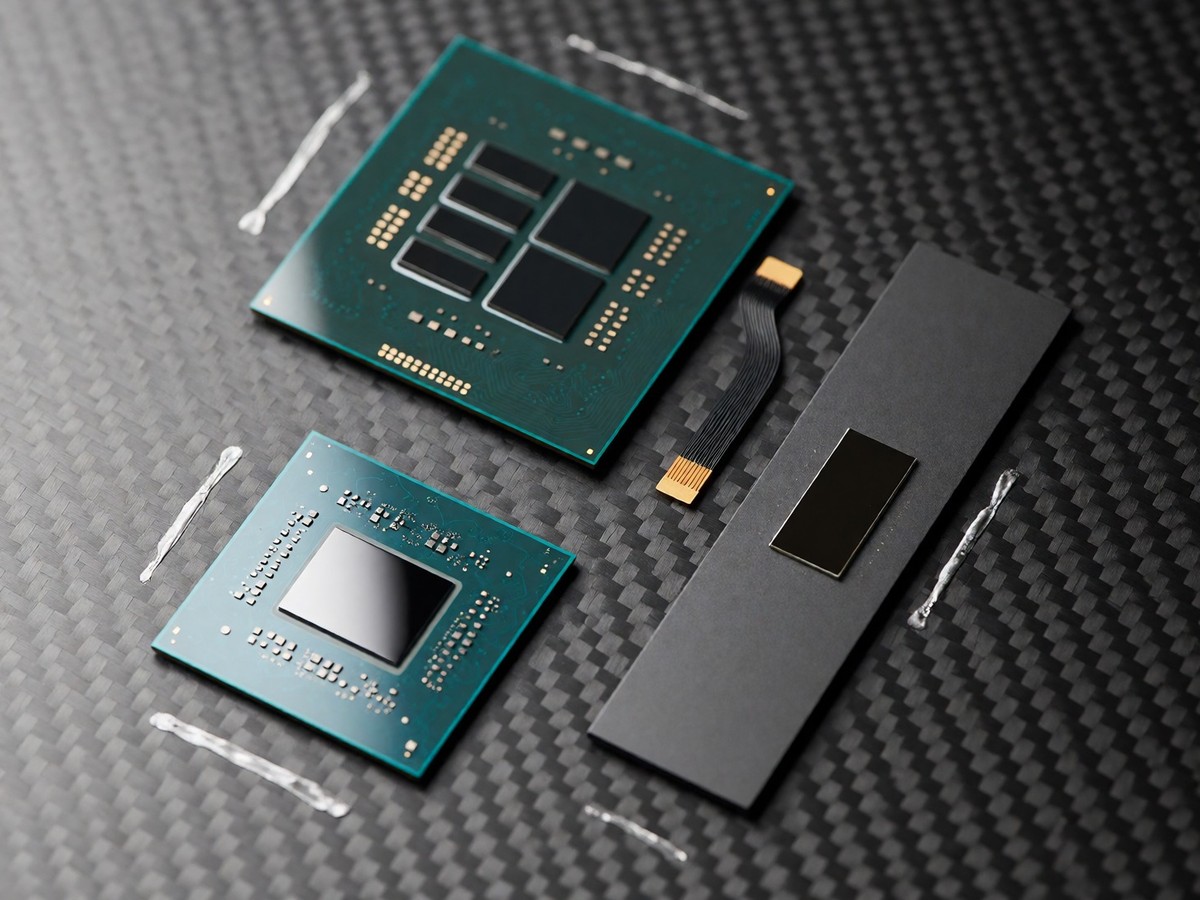
The infrastructure strategy includes a heavy reliance on custom silicon. Anthropic uses over one million Trainium2 chips to train and serve Claude. The company expects nearly 1GW of Trainium2 and Trainium3 capacity to come online by the end of 2026. This collaboration includes Project Rainier, which is one of the largest compute clusters in the world. Google also holds a massive stake in Anthropic. Google committed up to $40 billion to Anthropic, with $10 billion funded in April 2026.
Anthropic’s tri-platform strategy minimizes its reliance on any single hardware vendor. The company distributes workloads across Nvidia GPUs, Google Tensor Processing Units, and Amazon Trainium chips. This approach optimizes specific AI workloads on the semiconductor architecture that fits the task. Anthropic uses Google’s TPUs to handle certain workloads and Amazon’s Trainium chips for others. This diversification helps manage the massive compute costs required to maintain frontier model status.
The Colossus Lease
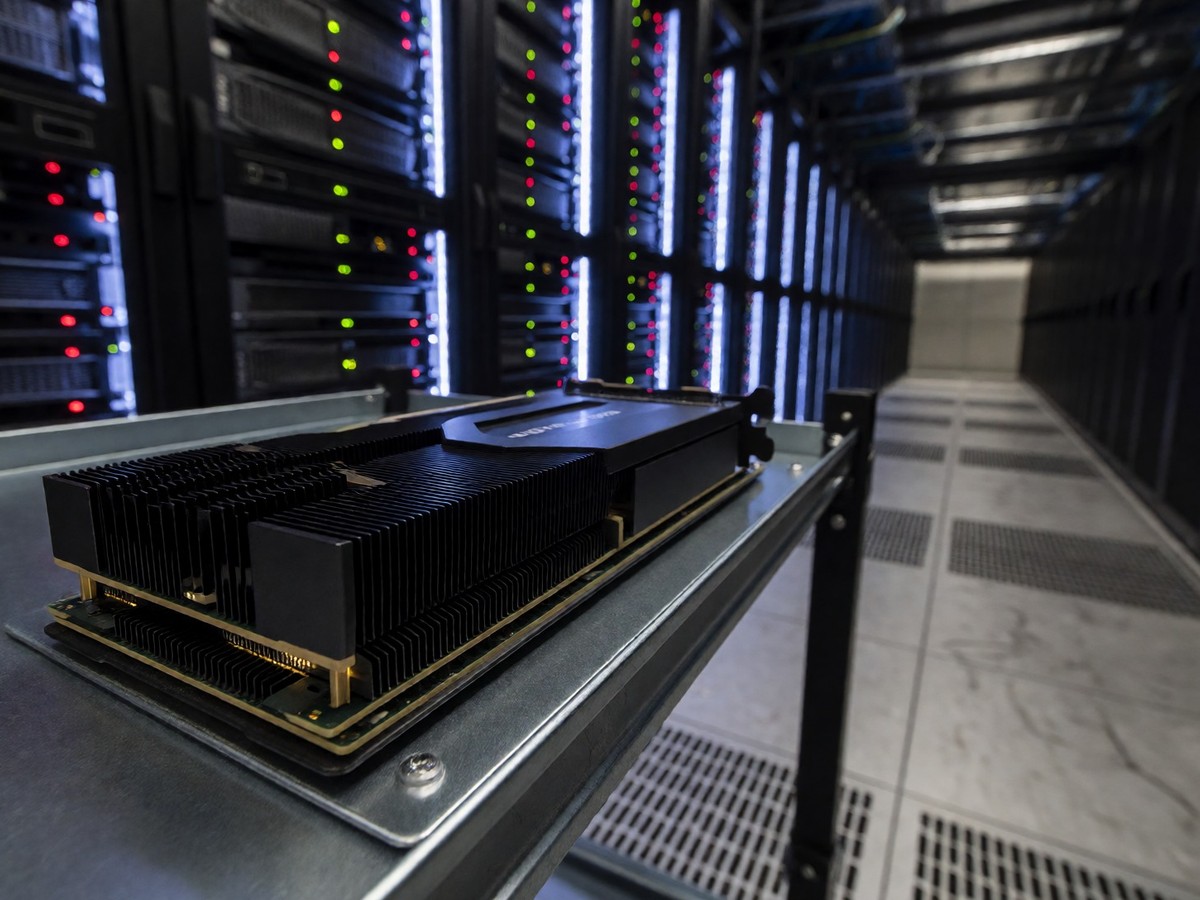
Anthropic uses an unconventional method to access massive compute power. In May 2026, Anthropic negotiated a contract to rent the entire computational output of the Colossus 1 data center in Memphis, Tennessee. This facility is owned by the xAI division of SpaceX. The Colossus 1 facility houses more than 220,000 Nvidia processors. Anthropic pays approximately $1.25 billion every month to lease this supercomputer. This contract runs through May 2029 and has a total aggregate value exceeding $40 billion.
This lease arrangement creates a circular economic relationship between Anthropic and Elon Musk’s enterprises. Anthropic is effectively funding the infrastructure buildout of its direct competitor. xAI’s flagship assistant, Grok, saw a decline in user engagement last year, which resulted in billions of operational losses. By leasing the Colossus cluster, Anthropic provides $15 billion annually to xAI. This capital supports SpaceX as it prepares for an anticipated IPO.
The lease also introduces operational fragility into Anthropic’s supply chain. The contract includes a short-term exit mechanism that allows either party to terminate the agreement with 90 days of notice. If SpaceX decides to reclaim the Colossus cluster for xAI training workloads, Anthropic would face a sudden reduction in its primary training capacity. Relying on a lease instead of owning the physical hardware creates a risk that the training capacity could vanish.
Consumer vs. Enterprise
The business models of Anthropic and xAI are fundamentally different. Anthropic builds the enterprise operating system for AI. It has over 300,000 organizational customers. Its Claude Code product alone has a near-$1 billion annualized revenue run rate. These enterprise users require high reliability and deep integration. This demand justifies the high cost of training and serving models at scale.
xAI targets the consumer market through Grok subscriptions via X Premium. It also earns revenue from data licensing and advertising. This revenue is high volume but low contract value. When a consumer decides to use a different model, the switch takes only five minutes. xAI’s annualized revenue of $500 million is small compared to Anthropic’s $65 billion. xAI also loses money much faster than it earns it, with an annualized burn exceeding $12 billion.
The enormous gap between Anthropic’s $65 billion revenue run rate and xAI’s $500 million revenue underscores why institutional investors prioritize enterprise stability and high-switching-cost contracts over the volatile, high-volume consumer subscription models that currently drive Musk’s AI strategy. xAI’s valuation is a bet on the potential of Grok and orbital compute. Anthropic’s valuation is a bet on the fundamental infrastructure of global enterprise work.
The Governance Gap
Anthropic operates as a Public Benefit Corporation. This structure includes a Long-Term Benefit Trust that holds appointment power over a majority of board seats. The trust places safety oversight above short-term investor pressure. This governance model allowed Anthropic to decline a Department of Defense contract in 2026 because of restrictions on autonomous weapons. This decision shows that the company’s structure has real consequences for its commercial operations.
SpaceX and xAI follow a different structural path. SpaceX acquired xAI in an all-stock deal in February 2026. This transaction valued the combined SpaceX and xAI business at $1.25 trillion. xAI’s valuation in that deal was $250 billion. This structure bundles the massive cash flows of Starlink with the losses of xAI. Investors in SpaceX are essentially paying for Starlink’s infrastructure to subsidize xAI’s development.
The different governance models attract different types of capital. Anthropic’s PBC structure attracts institutional investors, pension funds, and ESG-screened portfolios. These investors value the reduced regulatory and reputational risks. xAI’s integration into SpaceX attracts investors who want exposure to vertical integration and the long-term vision of Elon Musk. One group buys a structured enterprise provider, while the other buys a concentrated bet on a single leader’s ecosystem.
The Infrastructure Economics
The cost of training frontier models is rising. A single training run for a model like Claude 4 or GPT-5 can cost between $50 million and $500 million. The next generation of models will likely exceed $1 billion per training run. Anthropic’s massive compute commitments are necessary to maintain intelligence parity with its competitors. Without these billions in spending, the company could not keep its models at the frontier.
Anthropic’s margins face pressure from these hardware costs. Gross margins are declining rather than expanding. The company also has an $80 billion compute commitment through 2029, which acts as a ceiling on how quickly it can reach sustained profitability. The massive scale of its infrastructure spend means that a significant portion of its revenue goes directly back into compute. This is a far cry from the high-margin software models of the past.
Will the massive compute costs eventually erode the margins that currently support these trillion-dollar valuations? Anthropic must continue to scale its revenue to cover the multi-billion dollar monthly lease and the massive silicon investments. The company projects it will break even by 2028. This target is two years ahead of OpenAI’s 2030 profitability target. Success depends on whether enterprise demand continues to outpace the rising cost of the intelligence it requires.
I recommend Anthropic for investors who value enterprise revenue density and clear, high-margin paths through custom silicon. The company’s $65 billion run rate and its deep integration with Amazon and Google provide a more stable foundation than the consumer-heavy, high-burn model of xAI. The xAI bet is a high-risk play on the integration of AI with space infrastructure. Anthropic is a play on the essential nature of AI in the global economy.