AI growth and stranded gas capture
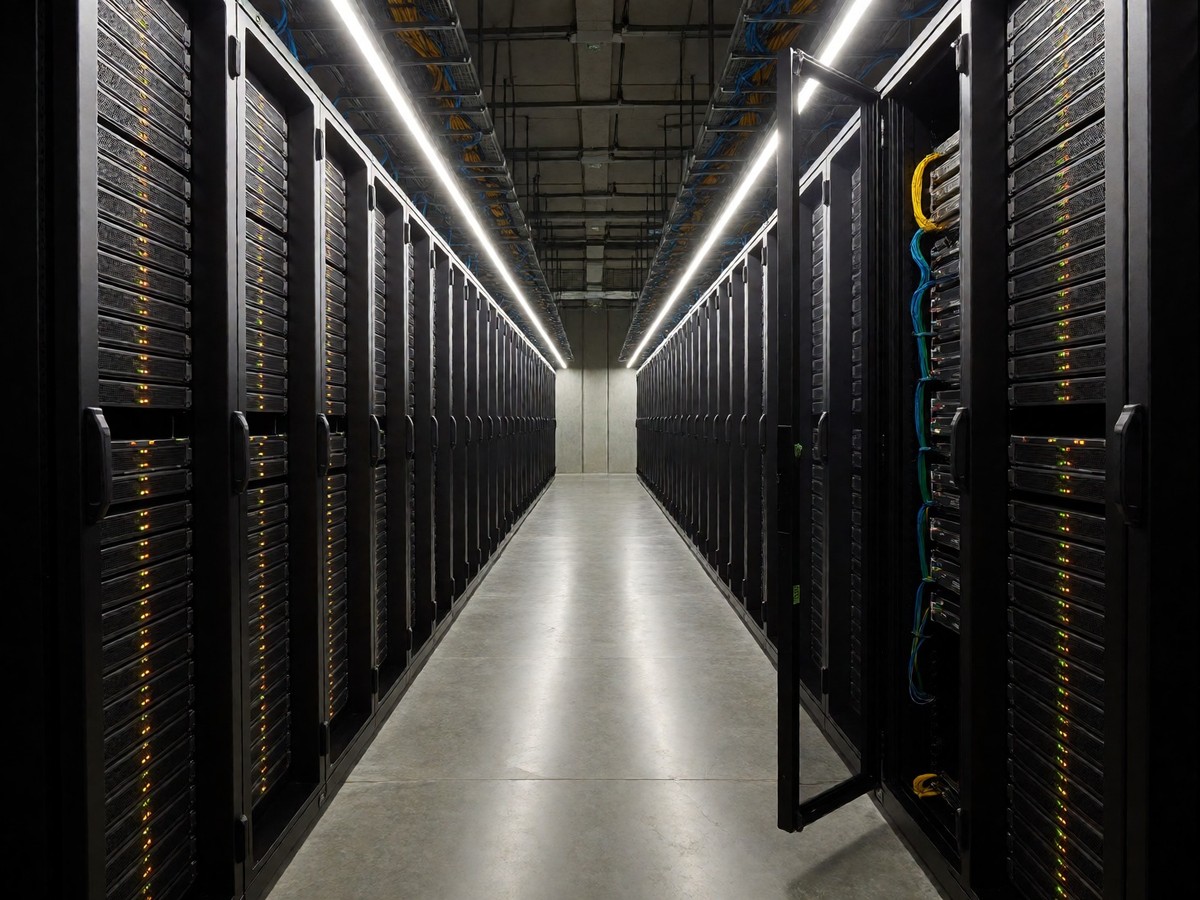
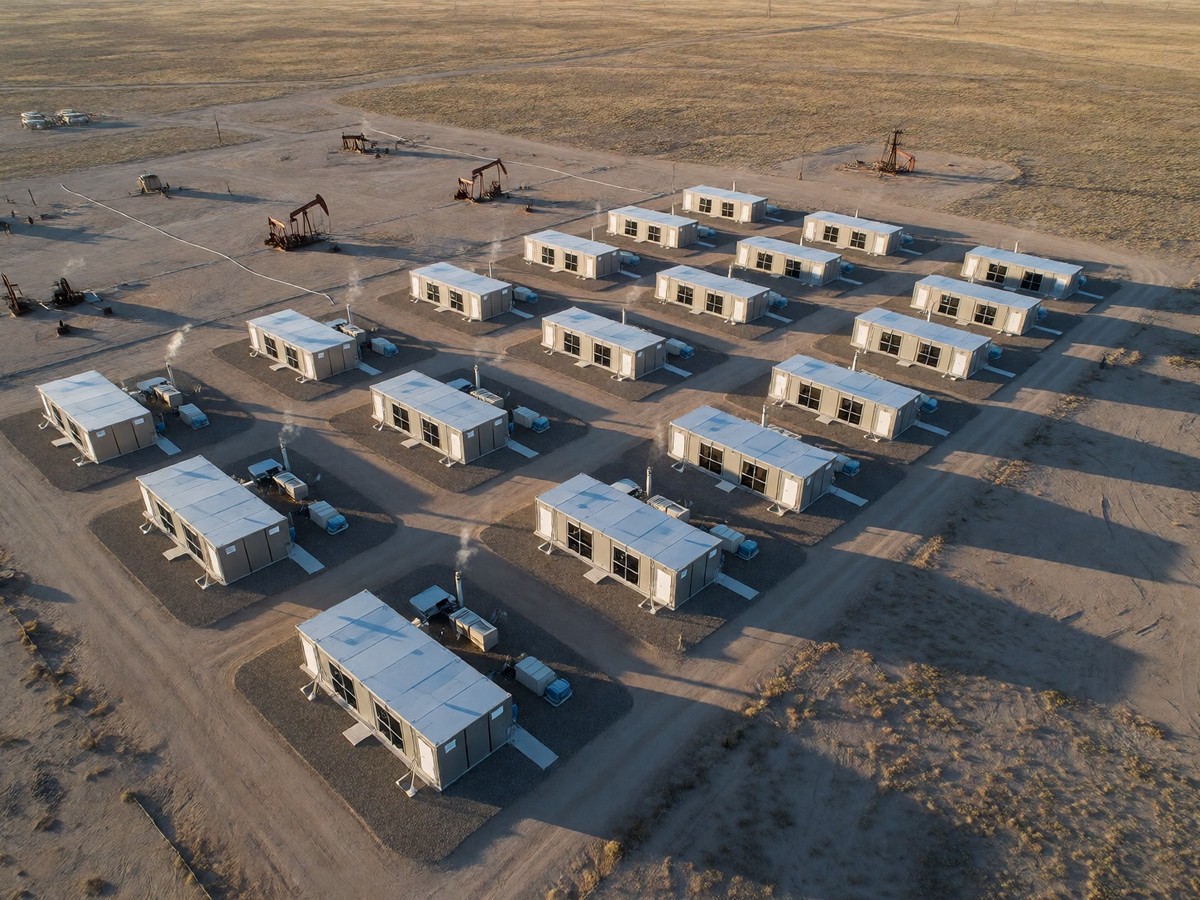
Crusoe Energy, a neo-cloud company founded in 2018, secured $3.9 billion in Series F financing on September 17, 2026, which brought its valuation to $30.9 billion. Atreides Management, Mubadala Capital, and Valor Equity Partners led the funding round. The company uses Digital Flare Mitigation technology to capture natural gas that oil producers would otherwise burn. This process turns stranded gas into electricity for modular data centers. ExxonMobil uses this model in North Dakota to mine bitcoin with gas. This strategy works because it converts a waste product into compute power. Under Chief Executive Officer Lochmiller and Chief Strategy Officer Curly Cavaness, Crusoe signed a $13 billion artificial intelligence computing capacity supply contract with Jane Street. The company also supplies computing capacity to Meta and expands its Crusoe Cloud product. While Crusoe originally supplied power to cryptocurrency mining facilities, the surge in computing demand caused a shift toward AI infrastructure. The company has deployed more than 425 modular data centers across seven states and two countries, including Colorado, North Dakota, Montana, Wyoming, New Mexico, Utah, Texas, and Argentina. These units, which provide over 250 MW of capacity, deliver between 12.5kW and 25kW of power per rack. The company delivers power at a flat monthly rate through modular steel structures with redundant HVAC cooling and fire suppression systems. The capital supports large AI campuses, modular Crusoe Spark infrastructure, and the expansion of Crusoe Cloud across its energy-to-compute platform. A unit using 100,000 cubic feet of gas daily could theoretically produce $12 per thousand cubic feet, compared to $3 through pipelines. This increased value attracts oil companies to partner with mining firms.
The 45V hydrogen tax credit rules
The U.S. Department of the Treasury and the Internal Revenue Service released final rules for the 45V clean hydrogen production tax credit to provide clarity and investment certainty for producers while maintaining strict lifecycle emissions standards. These regulations, established via the 2022 Inflation Reduction Act, require producers to match electricity consumption with clean energy generation. The rules establish that hourly matching becomes mandatory for all facilities starting in 2030. This requirement aims to prevent induced emissions from increased load on the grid. Many industry players view these rules as a compromise between providing certainty and protecting the climate. The Clean Air Task Force gave the rule a thumbs up despite certain caveats. Environmentalists note that hydrogen produced using energy sources that prolong fossil fuel dominance may negate environmental benefits. The rules also include an incrementality requirement where electricity generators must begin operations within 36 months of the hydrogen facility. To qualify for the highest deduction of up to $3 per kilogram, the lifecycle greenhouse gas emissions must stay below 4 kilograms of carbon dioxide equivalents per kilogram of hydrogen produced. The rules also allow facilities to use electricity from existing nuclear plants if those plants face a risk of retirement. This allowance applies to up to 200 megawatts per qualifying reactor. The department also allows hydrogen produced using natural gas with carbon capture to compete in these markets. Additionally, the rules specify that electricity must come from the same region to meet deliverability requirements. This ensures producers meet the three pillars: incrementality, temporal matching, and deliverability. Hydrogen produced using renewable sources costs between $4 and $5 per kilogram, whereas conventional hydrogen costs about $1 per kilogram.
Scale and mitigation efficiency
| Feature | Specification |
|---|---|
| Total Modular Data Centers | 425+ |
| Total Installed Capacity | 250+ MW |
| Rack Power Density | 12.5kW to 25kW |
| Module Power Capacity | 250kW |
| GHG Reduction (vs. flaring) | 63% CO2e |
Crusoe’s technology reduces CO2-equivalent emissions by 63% compared to continued flaring. The company’s method prevents 22 billion cubic feet of natural gas from being flared. This reduction in flaring prevents the release of methane, a greenhouse gas more harmful than carbon dioxide. For every ton of CO2 equivalent produced in 2022, Crusoe reduced over 1.6 tons through avoided methane emissions. While the model reduces emissions, environmentalists argue that using natural gas still involves fossil fuel extraction. You should watch how the 2030 hourly matching rule for hydrogen affects these remote deployments. Can the industry scale this modular approach fast enough to meet the doubling demand of AI workloads? The company’s deployment in the Williston Basin of North Dakota and Montana uses high-bandwidth fiber-optic networks with microwave backup. The company’s Digital Flare Mitigation technology reduces methane emissions by 98%. These modular steel structures allow for scalable deployment in remote areas. The company has 15 gigawatts of clean energy projects in development across nine U.S. states and three countries. The infrastructure includes dust-proof vestibules, redundant HVAC cooling, and fire suppression systems to protect the hardware in harsh environments.