Infrastructure and funding
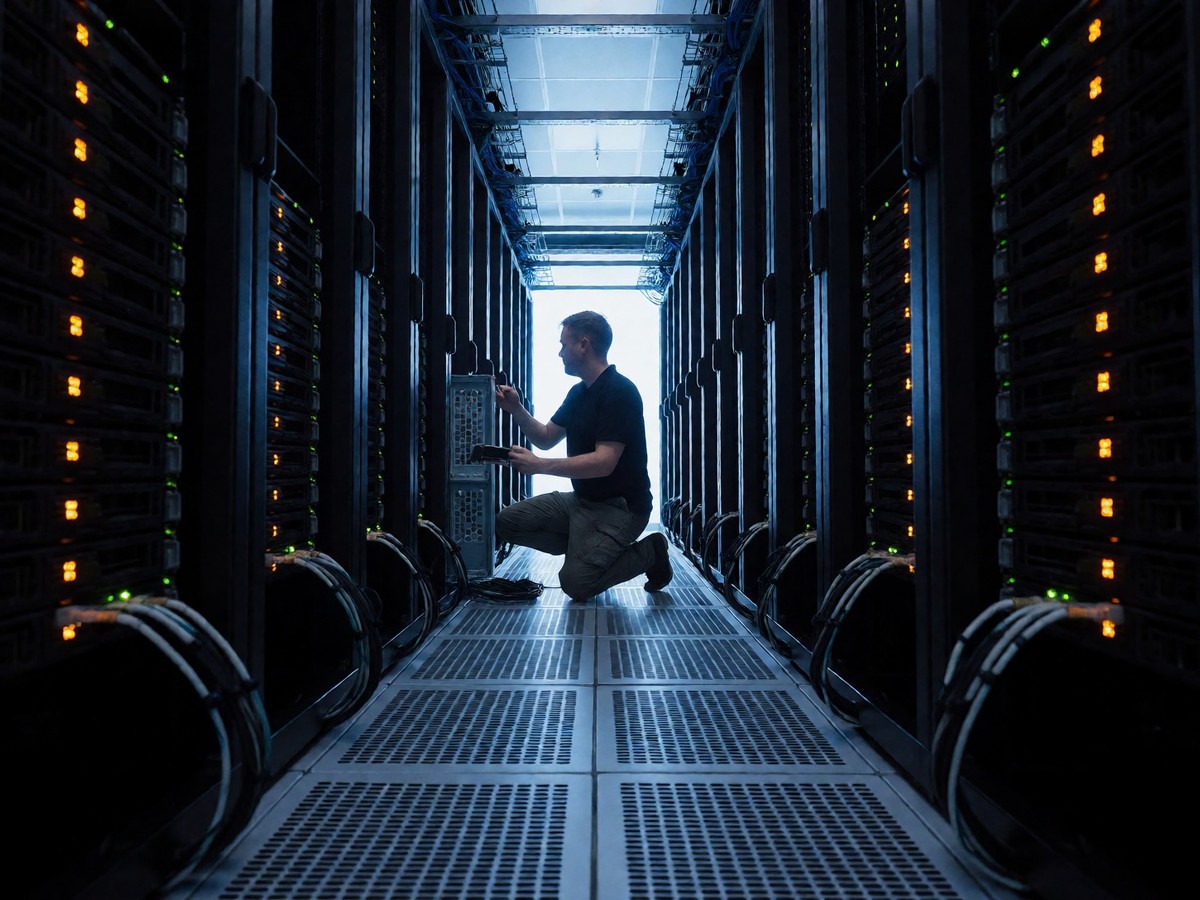
Poolside AI, an American artificial intelligence company, develops large language models for computer software and coding applications. The company maintains headquarters in San Francisco and employs 150 people worldwide as of December 2025. Founded in early 2023 by Jason Warner and Eiso Kant, the company grew from $26 million in seed funding and an additional $100 million funding round to a $12 billion valuation. This valuation increased after an October 2025 investment of up to $1 billion from Nvidia. In October 2024, a Series B round led by Bain Capital, DST Global, and eBay brought the company valuation to $3 billion. To support these developments, the company started the first phase of Project Horizon in October 2025, a 2-gigawatt artificial intelligence campus in Pecos County, Texas. The data center will become one of the largest in the United States. Poolside uses a system called Model Factory to train its models and evaluate the outcomes of that training. During its early stages, the company demonstrated its code assistant to investors using the prompt "Write me the code for a snake video game in python".
Model performance and the Desktop Assistant
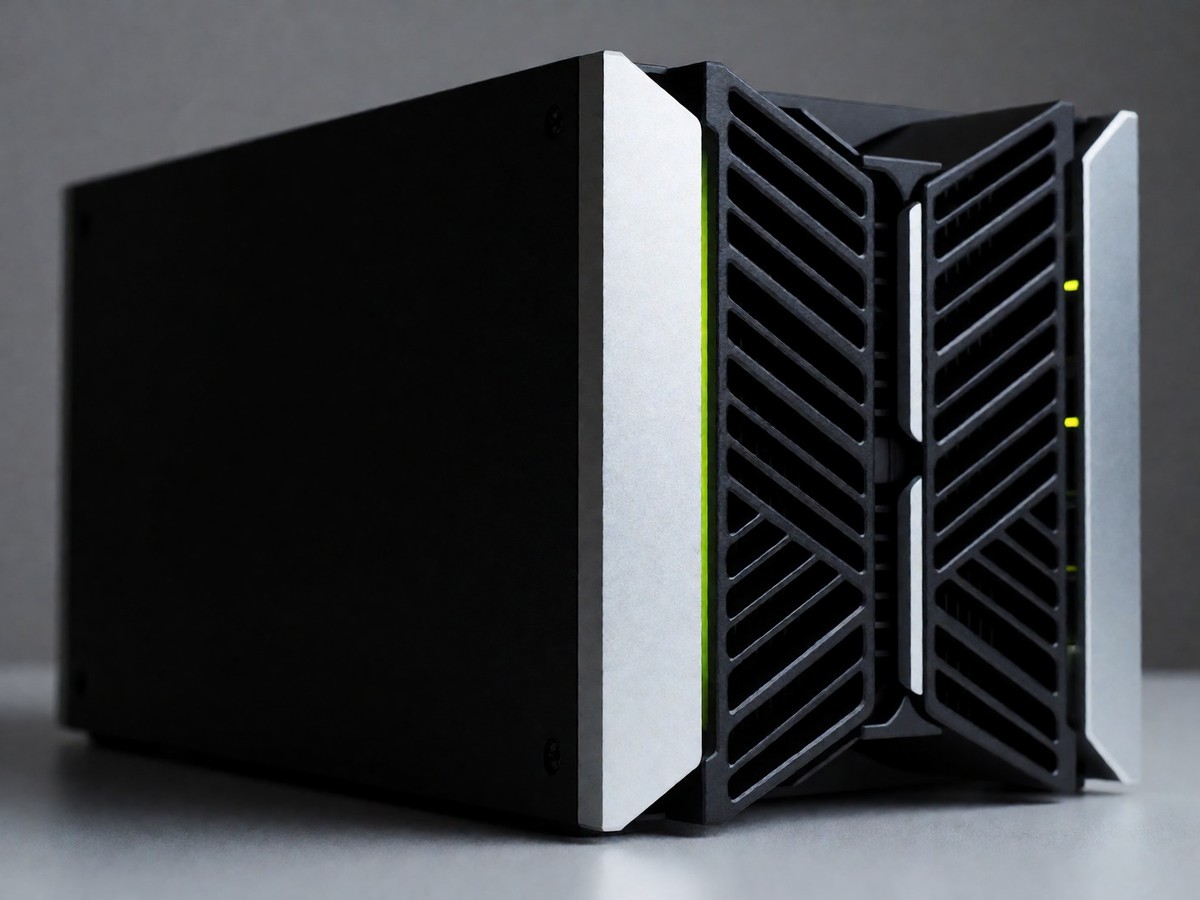
Laguna S 2.1, released in July 2026, utilizes 118 billion parameters under the OpenMDW license. This Mixture-of-Experts model uses 8 billion active parameters per token and supports up to 1 million tokens of context. It includes "thinking" and "no-thinking" modes for long-horizon coding and research tasks. The model processes approximately 300 billion tokens per day. This model remains capable enough to compete with models several times its size while remaining small enough to run on a single NVIDIA DGX Spark. Poolside served 10 trillion tokens across all models in less than three months, with Laguna S 2.1 processing 2 trillion of those in its first 14 days of release.
| Model | Total Parameters | Active Parameters | Context Length |
|---|---|---|---|
| Laguna S 2.1 | 118B | 8B | 1M tokens |
| Laguna M.1 | 225B | 23B | 256K tokens |
| Laguna XS 2.1 | Lightweight | Variable | Variable |
The company also released Laguna XS 2.1, which provides a lightweight upgrade for multilingual coding and terminal-style tasks. This version supports vLLM, SGLang, NVIDIA TensorRT-LLM, HF Transformers, and Ollama. The release includes DFlash speculator models that double achieved tokens per second during tests. Laguna M.1, another release, uses 225 billion parameters and 23 billion active parameters with a 256K context length under an Apache 2.0 license.
The Poolside Desktop Assistant functions as a macOS application for running multiple coding agents across projects and repositories. It integrates pool, Claude Code, Codex, and Gemini into one workspace via the ACP protocol created by Zed. Developers run agents in parallel and isolate each task in its own Git worktree. You should probably check if your local hardware can handle these parallel agent runs before committing to this workflow. The tool shifts the developer role from prompting to directing, reviewing, intervening, and deciding what happens next.
Enterprise deployment and defense
Poolside partners with Amazon Web Services to provide AI products on Amazon Bedrock and Amazon Elastic Compute Cloud. This allows businesses to deploy foundation models within their existing AWS environments. The company also holds contracts with the United States Department of Defense and RTX Corporation. The company provides frontier models and agents that operate inside a user’s own boundary to fulfill the security and infrastructure requirements that a specific, highly sensitive, and extremely large mission demands. Will these autonomous agents eventually replace the need for human oversight in critical infrastructure code? While the firm focuses on the American defense industrial base, it also works to sell its autonomous software development engine to Israeli defense companies. The transition to autonomous agents creates a heavy burden on the developer to monitor unintended side effects during long-running tasks. The reliance on autonomous agents to work for hours without oversight creates significant risks for code integrity.