Waymo commands a $126 billion valuation following a $16 billion investment in February 2026. The company provides 500,000 paid rides every week using a fleet of 3,871 robotaxis. As of September 2026, Waymo operates in over 15 United States cities. Waymo provides fully autonomous commercial rides across several major cities including Phoenix, San Francisco, Los Angeles, Miami, Orlando, Dallas, Houston, San Antonio, Austin, and Atlanta, while it also manages the early access scaling in San Diego, Las Vegas, Tampa, Denver, and Nashville. Residents in Austin and Atlanta access these autonomous rides through the Uber app. Waymo maintains fully open markets in Phoenix, San Francisco, Los Angeles, Miami, Orlando, Dallas, Houston, San Antonio, Austin, and Atlanta. The company traces its origins to the Stanford University Racing Team, which competed in the 2005 and 2007 DARPA Grand Challenges. Google began its self-driving development in January 2009, and the project later became Waymo after spinning out of Alphabet. Waymo has logged 200 million fully autonomous miles and completed 20 million rides to date. The company raised $11 billion in multiple funding rounds by 2024. Waymo also faced a legal dispute in 2017 when it sued Uber over trade secret theft involving proprietary lidar technology. Waymo is also conducting autonomous testing in cities such as Baltimore, Boston, Charlotte, Chicago, Minneapolis, New Orleans, New York, Philadelphia, Pittsburgh, Sacramento, Seattle, and St. Louis. Will the company reach its goal of one million weekly trips before the end of the year?
Scaling the Jaguar I-PACE fleet
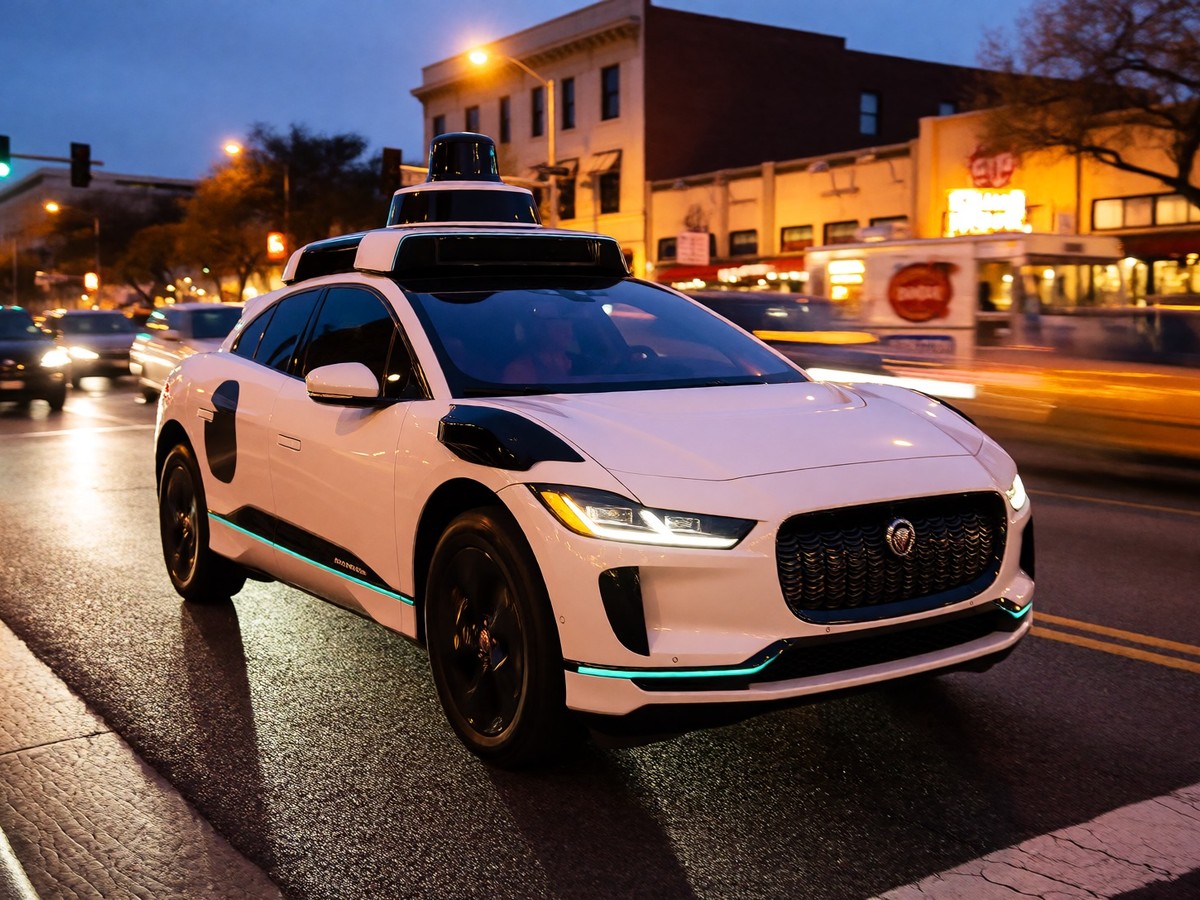
Waymo transitioned to an all-electric fleet by committing to the Jaguar I-PACE. This move replaced the previous use of Chrysler Pacifica Hybrid minivans. In 2018, Jaguar Land Rover announced that Waymo ordered up to 20,000 of its I-Pace electric SUVs. By May 2025, approximately 1,500 of these vehicles were in operation as autonomous cars. Magna assembles these vehicles daily by converting them into Level 4 autonomous vehicles. You should know that Waymo operates these vehicles without a human safety driver. However, the company faces scrutiny regarding its safety record. In January 2026, the National Transportation Safety Board and National Highway Traffic Safety Administration opened investigations into Waymo robotaxis for passing stopped school buses and one incident where a vehicle hit a child in a school zone. The company also faced public outcry in late 2025 after a vehicle struck a neighborhood cat in San Francisco. These incidents add to the 117 reported injuries and two fatalities recorded involving Waymo vehicles. Despite these incidents, Waymo reports a 95 percent reduction in serious injury or worse crash rates compared to human drivers in operating cities. The company aims to provide inclusive mobility, such as offering autonomy for blind passengers. This goal stems from early testing in 2015 in Austin, Texas, where a passenger used a fully autonomous trip on a public road. Waymo provides expanded service in Los Angeles, covering areas such as Santa Monica, Hollywood, and downtown.
Technical specifications and safety
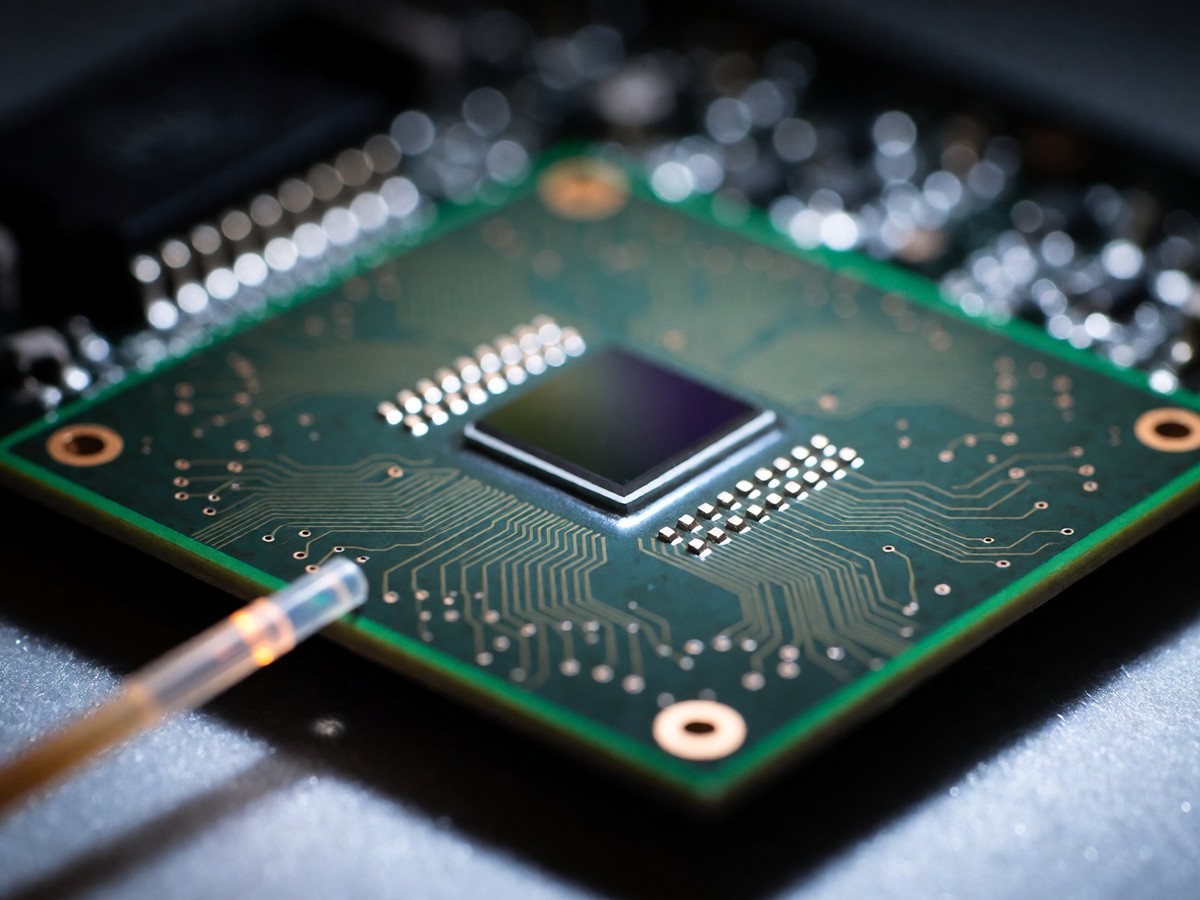
The Waymo Driver uses a combination of LiDAR, radar, and high-resolution cameras to perceive the environment. Each Jaguar I-PACE carries 29 cameras to provide a panoramic view. This hardware works with an AI-enabled computing system that processes data directly inside the car. The system compares live sensor data with high-definition maps to locate the vehicle with precision. The vehicle uses millimeter-wave radio signals to measure closeby obstacles in real time. LiDAR determines the distance and three-dimensional shapes of surrounding objects by emitting millions of laser pulses per second in every direction. This method creates a detailed point cloud that maps everything from nearby curbs to pedestrians up to 300 meters away. The cameras capture traffic lights, signs, and lane markings, while radar data supports real-time navigation by tracking objects in motion. The onboard computing system processes data using server-grade CPUs, GPUs, and specialized accelerators to identify vehicles, pedestrians, and cyclists from massive streams of information. The software uses deep-learning architectures such as VectorNet to generate driving strategies. The system also relies on the Doppler shift of radio signals to detect obstacles in low light or rain. The AI trains on billions of miles within the Carcraft simulation city virtual environment. This virtual testing allows the system to encounter tens of thousands of rare and hazardous traffic scenarios before it ever encounters them on a public road. The sensor suite also includes external audio receivers to aid in environmental perception. The cameras utilize high dynamic range and thermal stability to work in tandem with LiDAR and radar.
| Specification | Detail |
|---|---|
| Fleet Size | 3,871 robotaxis |
| Weekly Paid Rides | 500,000 |
| Total Autonomous Miles | 200 million |
| Valuation | $126 billion |
| Cameras per Jaguar I-PACE | 29 |