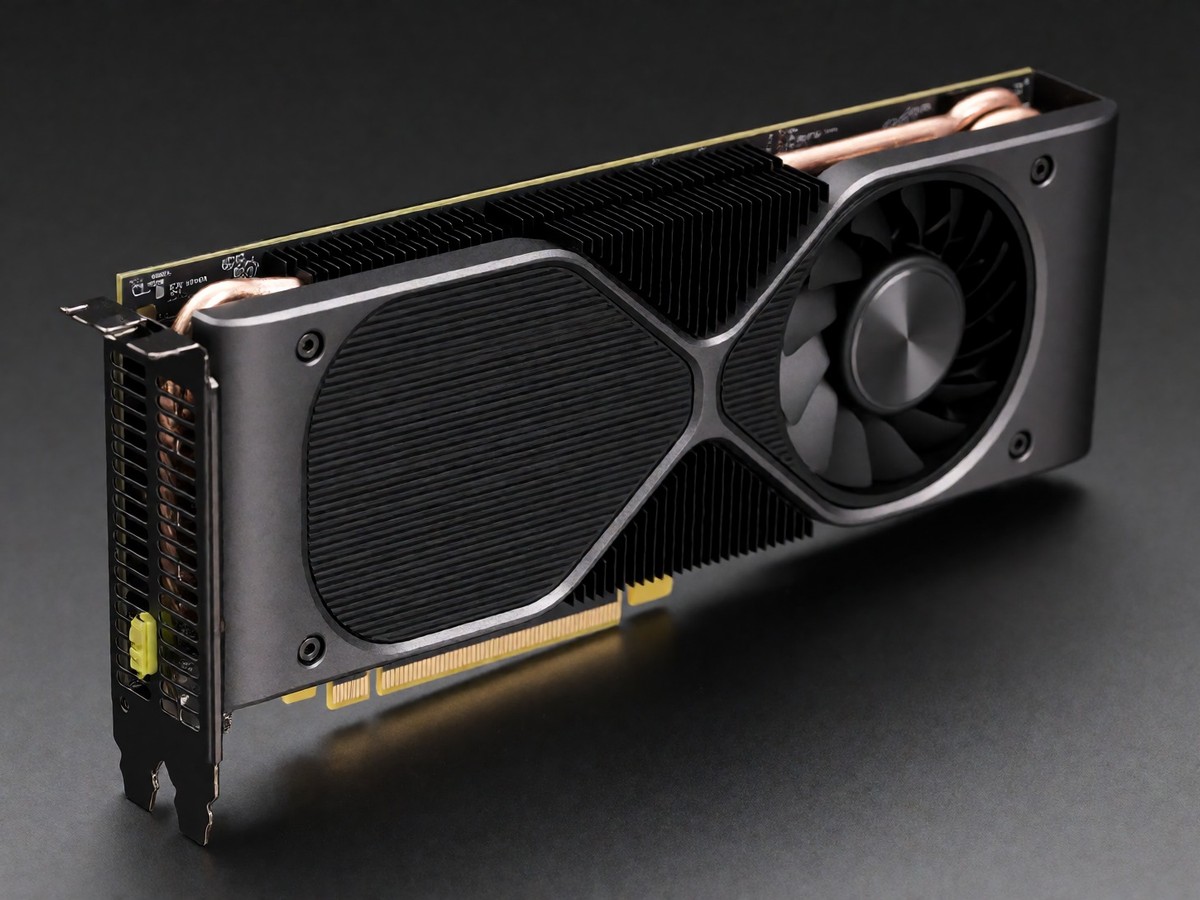
Groq’s LPU architecture utilizes the Tensor Streaming Processor to deliver deterministic performance for AI workloads. This chip performs 250 trillion operations per second on a single unit. The hardware uses SRAM to minimize the latency that high-bandwidth memory creates in traditional GPU systems. While GPUs rely on parallel processing, the LPU focuses on sequential processing to handle the nature of language generation. This scheduling-based approach works like a train where the departure and arrival times are known in advance. The LPU processes LLaMA 70B at 269 tokens per second and LLaMA 3.1 8B at 123 tokens per second. Groq fabricates these chips in the US through Global Foundries and packages them in Canada. Jonathan Ross, the founder who previously led the TPU project at Google, designed the LPU to provide high-speed inference. The LPU’s temporal instruction set architecture ensures that every clock cycle works effectively to provide consistent results. Because the LPU avoids the overhead of managing multiple threads and underutilized cores, it delivers more computations per watt. The LPU’s ability to process open-source models like LLaMA-2 with 70 billion parameters at a rate exceeding 100 tokens per second makes it a strong candidate for real-time applications.
The LPU is an inference-only engine and cannot perform the heavy lifting required for model training. Training requires the high-bandwidth memory that GPUs still provide. Groq’s LPU is a specialist that works well for language tasks but lacks the versatility of a general-purpose processor.
| Metric | NVIDIA (Blackwell B200) | Groq LPU |
|---|---|---|
| Cost (Per 1M Tokens) | $0.25 | $0.10 |
| Throughput (Tokens/Sec) | 450 | 800 |
| Primary Workload | Training / Enterprise | High-Speed Inference |
Groq’s LPU costs $0.10 per million tokens, which is 60% cheaper than the $0.25 price for NVIDIA’s Blackwell B200. The LPU also provides 800 tokens per second, which is 77% faster than the 450 tokens per second from the B200. In benchmarks, the LPU reaches nearly 500 tokens per second for Mixtral and over 100 tokens per second for LLaMA-2 70B. This speed makes it significantly faster than the 30 to 60 tokens per second seen in some ChatGPT-related GPU setups. Anyscale’s LLMPerf leaderboard found the Groq LPU to be an order of magnitude faster than leading GPU offerings for token processing. I would skip the NVIDIA B200 if your sole priority is low-cost, high-speed language inference. For developers balancing budget and speed, the price gap between these two architectures is quite wide. The company has raised $367 million and supports more than 19,000 applications via its API. Does the reliance on SRAM instead of HBM create long-term scaling issues for even larger models?
The Groq compiler automates deployment for developers using a single command: groq.it [model]. This allows models trained in PyTorch to run on Groq hardware without modifications. You already know that slow response times destroy the utility of conversational AI. In RAG systems, the LPU processes Llama 3.1 at 18,000 tokens per second. This massive speed shifts the bottleneck from the inference engine to the vector database. To keep the system fast, engineers must choose a vector database like Pinecone, Weaviate, or Qdrant that maintains sub-100ms query times. Because the LPU generates text so fast, the entire system depends on how quickly your retrieval pipeline can feed it data. Developers can link multiple LPUs together using a GroqNode setup that has multiple LPUs per node to scale to tens of thousands of units via GroqCloud. This scalability allows for multi-step query analysis and hybrid retrieval methods that combine vector similarity with keyword matching. I find that the ability to run multi-agent workflows in under 400ms provides a real advantage for complex tasks. A single command in the compiler facilitates the transition from standard frameworks to specialized hardware. This avoids the hardware lock-in issues that affect many GPU deployments today. For instance, the education robot Moxie uses the LPU to enable real-time responsiveness. The speed also allows for sophisticated response generation and self-correction in a single step. Can the current speed of vector retrieval ever truly match the speed of the LPU?