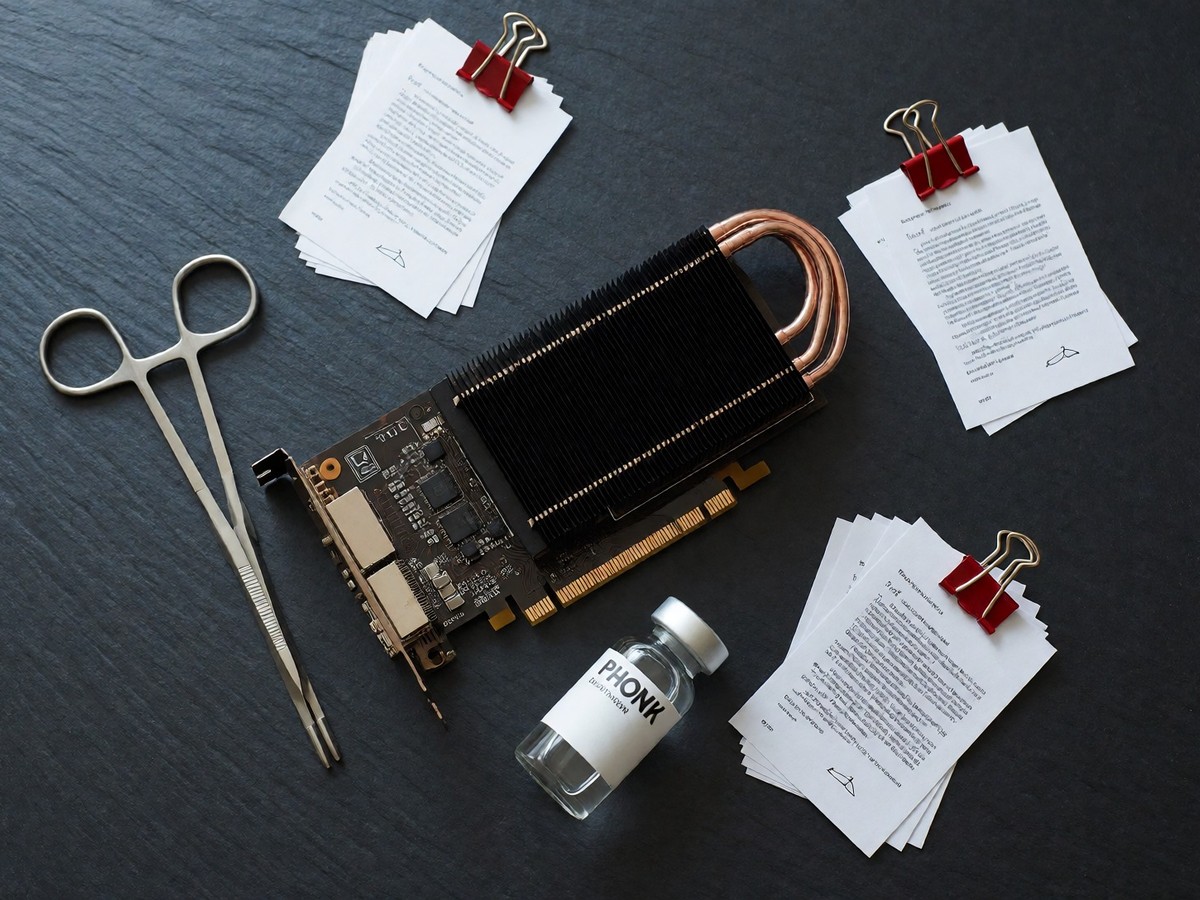
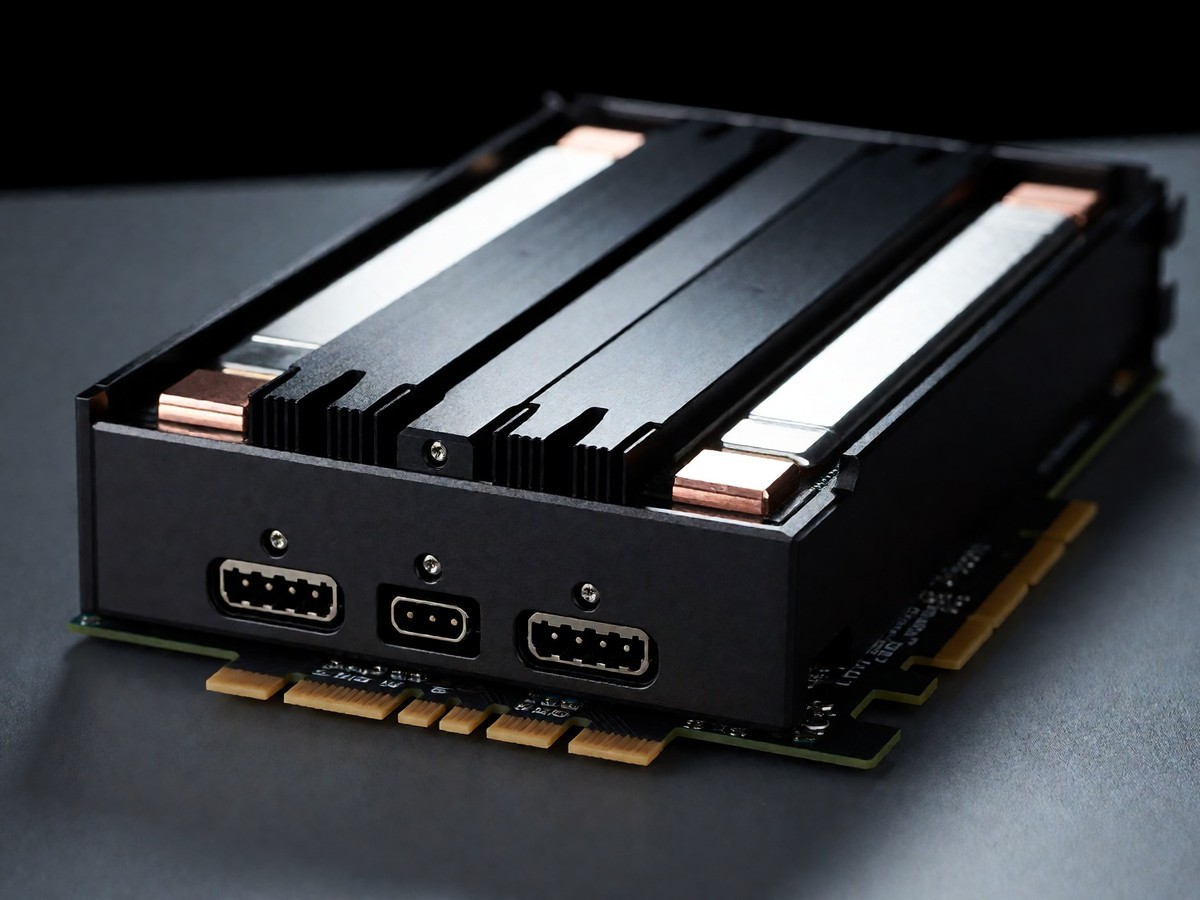
NVIDIA expects Blackwell demand to exceed supply for several quarters. TSMC’s CoWoS packaging creates a massive bottleneck. NVIDIA’s reservation of 800,000 to 850,000 CoWoS wafers for 2026 captures 60% of TSMC’s total output. This leaves only 40% of the capacity to be divided among Broadcom, AMD, Marvell, and the Google TPU program. Advanced packaging prices increase at 2 to 4 times the rate of the wafers themselves. HBM3E supply also faces tight constraints. Micron produces HBM3E for the NVIDIA HGX B300. Each Micron package contains 36 GB of memory using 12 stacked DRAM dies. SK hynix and Samsung also ship HBM3E to major clients.
Cohere achieved 3x faster training on GB200 NVL72 systems compared to prior Hopper GPUs. TSMC reported that 3nm technology contributed 25% of wafer revenue in Q1 2026. Advanced technologies at 7nm and below accounted for 74% of revenue. HBM manufacturing involves 19 materials-engineering steps.
CoreWeave financial exposure and customer concentration
CoreWeave maintains a $30.1 billion contracted backlog. This backlog includes an OpenAI agreement totaling $22.4 billion by September 2025. CoreWeave carries over $11 billion in debt. Interest expenses reached $267 million in Q2 2025. The high concentration of revenue among two customers, who represented 77% of 2024 earnings, forces CoreWeave to maintain flawless execution to satisfy its massive $30.1 billion contracted backlog and support its rapid infrastructure expansion. You know that heavy concentration creates exposure.
CoreWeave earned $1.92 billion in 2024. NVIDIA holds a 6% equity stake in the company. The company acquired Weights & Biases for $1.7 billion. A single third-party provider caused massive data center delays for CoreWeave. These delays caused the stock to fall from $183.58 in June 2025 to $69.50 in December 2025. CoreWeave’s heavy reliance on a single third-party data center provider creates a single point of failure that directly triggered massive investor losses.
| Metric | Value |
|---|---|
| OpenAI Contract Total | $22.4 billion |
| CoreWeave Debt | Over $11 billion |
| Microsoft Revenue Share (2024) | 62% |
| NVIDIA CoWoS Allocation | 60% |
Infrastructure failures and cluster utilization
AI training requires massive communication across GPUs. Communication bottlenecks cause training jobs to stall at synchronization points. Memory constraints act as a governor for performance. Hardware instability ruins utilization at scale. Distributed training requires coordination across GPUs for gradient aggregation. When a single network path lags, the entire job stalls.
Memory inefficiencies amplify communication delays. In experiments with two NVIDIA cards, 26% of prompts produced different text. Divergence rates reach 29.5% when switching from NVIDIA to AMD MI300X. Will TSMC expand packaging capacity fast enough to satisfy the Blackwell demand?