Groq expands its infrastructure footprint
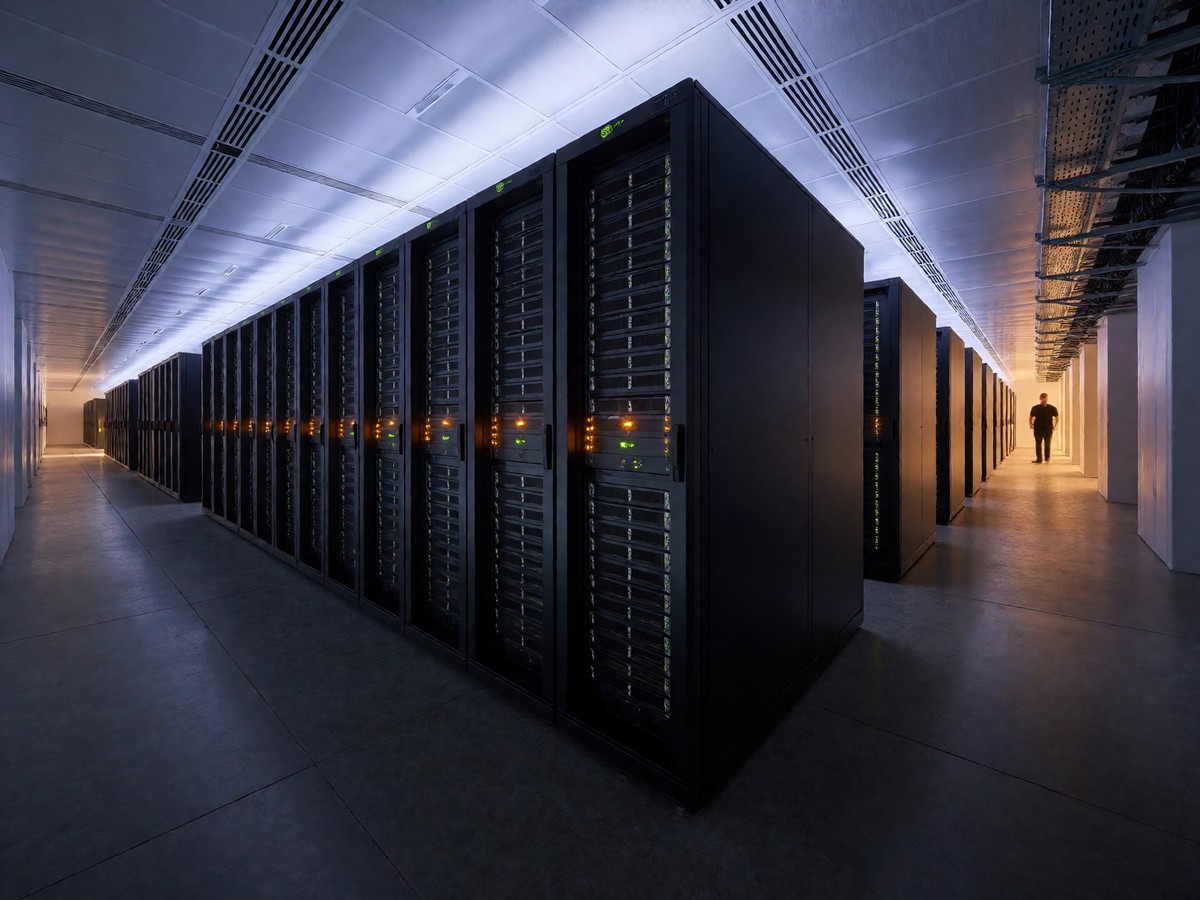
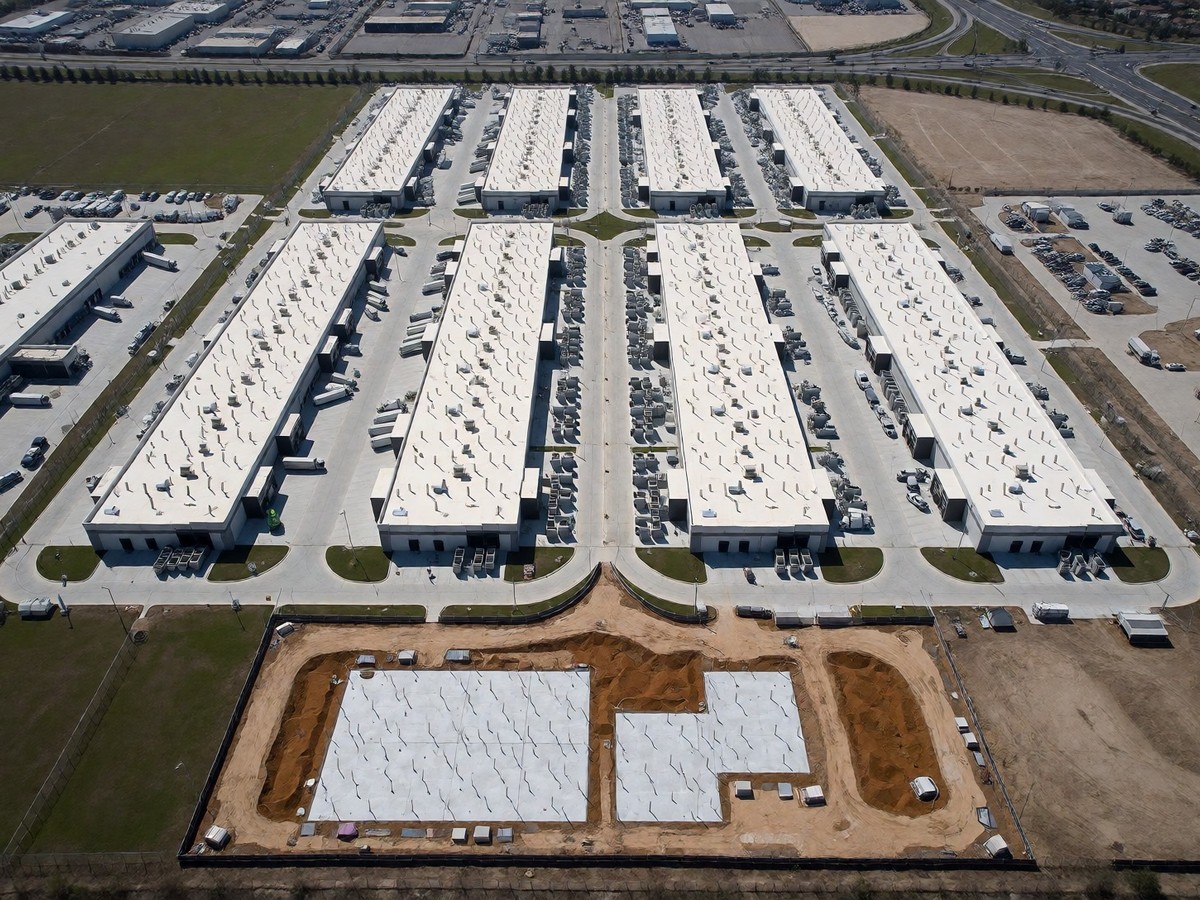
Groq raised $1 billion this year through two funding rounds. The company secured $650 million in June and $350 million in August. This capital accelerates the expansion of its AI inference cloud. I see this as a shift toward a neocloud model using NVIDIA systems. Groq operates 13 data centers across North America, Europe, the Middle East, and Asia-Pacific. The company expects to grow its power capacity from 54 megawatts to over 200 megawatts by 2027, while serving more than six million developers and thousands of AI-native companies that consume trillions of tokens every week. This latest funding round, led by Disruptive, values the company at $3.5 billion. To strengthen its leadership, Groq appointed Alan Rice, who previously worked at xAI and Meta Datacenters, as Chief Operating Officer. Sinclair Schuller, who founded Apprenda, serves as Chief Technology Officer, while Rakesh Malhotra, who previously led Microsoft cloud and data-center products, serves as Chief Product Officer. Adam Winter serves as Chief Executive Officer and Matt Eng serves as Chief Financial Officer. The company’s strategy changed after a non-exclusive licensing agreement with NVIDIA in December 2025. This agreement involved a $20 billion deal that included a talent-acquisition component. At this year’s GTC, NVIDIA announced its next-generation LPX platform, which incorporates Groq’s inference technology. Groq also manages a $1.5 billion infrastructure deal with Saudi Arabia. Founded in 2016, Groq now focuses on building a global platform for inference at scale. Investors Disruptive and Infinitum lead the current growth phase.
LPU performance and hardware specifications
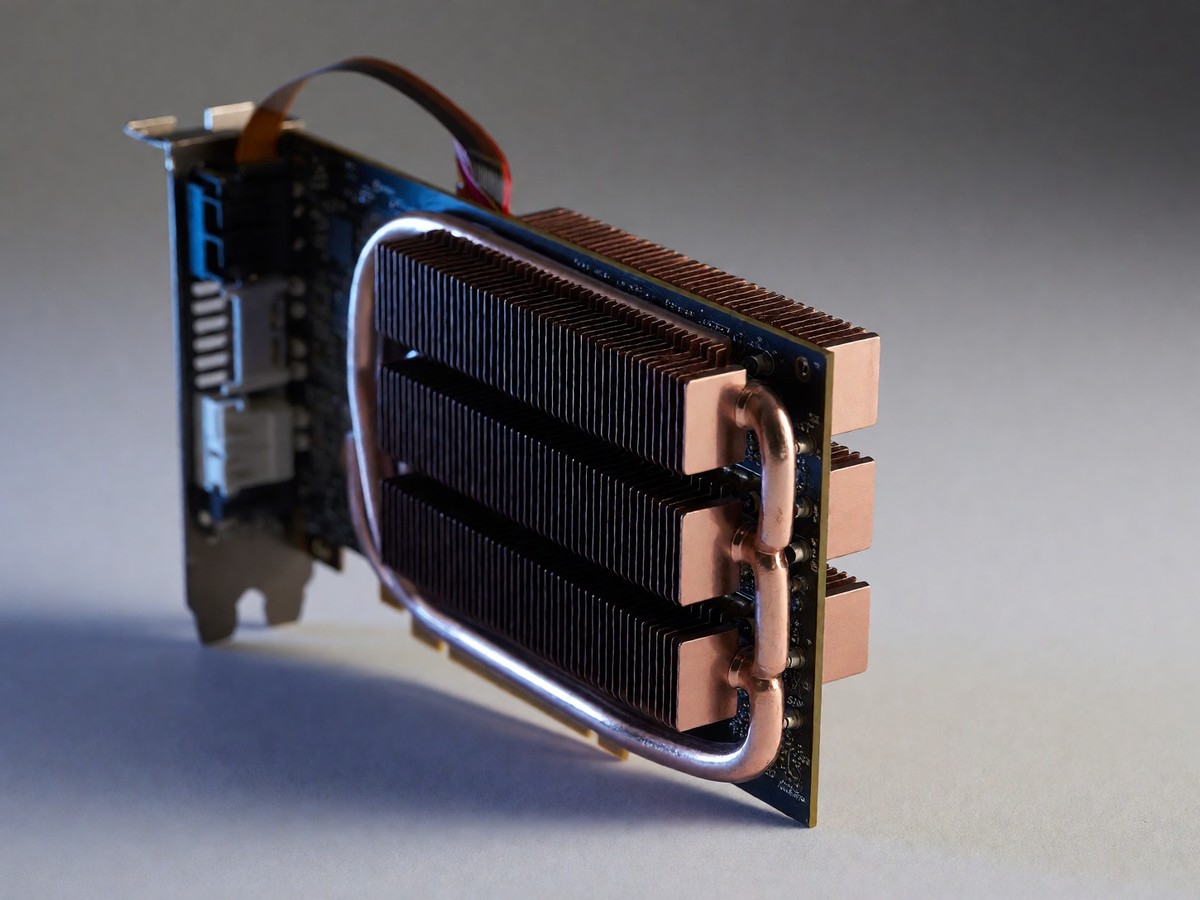
Groq’s Language Processing Units reach speeds that exceed typical GPUs. While typical GPUs generate 100 tokens per second, Groq’s LPUs generate 400 tokens per second during inference. The architecture uses a Tensor Streaming Processor that moves data in one direction like an assembly line. This design keeps the working set on hundreds of megabytes of on-chip SRAM to reduce latency. I find the performance advantage obvious for real-time tasks. The LPU uses 64-bit floating-point precision by default. It eliminates hardware-managed caches, speculative execution, and dynamic scheduling to provide deterministic performance. This allows for "Batch Size 1" processing, which means the hardware handles individual requests with minimal delay. The LPU reaches 188 teraflops per second. This capability provides an advantage for tasks like real-time customer service chatbots, robotics, or financial trading platforms. The architecture provides 10x faster memory access compared to other hardware. The LPU includes a dedicated token processor that handles sequence data with minimal overhead. The design optimizes for deterministic, high-throughput streaming of tensors.
| Metric | Groq LPU | Typical GPU |
|---|---|---|
| Inference Speed | 400 tokens/s | 100 tokens/s |
| Throughput | 188 teraflops/s | Varies |
| Memory Type | On-chip SRAM | External HBM |
Model catalog and limitations
Groq provides a specific selection of open-weight models through its API. As of August 2026, the catalog consists of seven models such as Llama 3.1 8B Instant, GPT-OSS 20B, GPT-OSS 120B, Llama 3.3 70B Versatile, Llama 4 Scout 17B 16E Instruct, Qwen3 32B, and DeepSeek R1 Distill Llama 70B. Llama 3.1 8B Instant costs $0.05 per million input tokens and $0.08 per million output tokens. GPT-OSS 20B costs $0.075 per million input tokens and $0.30 per million output tokens. GPT-OSS 120B costs $0.15 per million input tokens and $0.60 per million output tokens. Llama 3.3 70B Versatile costs $0.59 per million input tokens and $0.79 per million output tokens. Llama 4 Scout 17B 16E Instruct costs $0.11 per million input tokens and $0.34 per million output tokens. Qwen3 32B costs $0.29 per million input tokens and $0.59 per million output tokens. DeepSeek R1 Distill Llama 70B costs $0.75 per million input tokens and $0.99 per million output tokens. The company does not host closed models like GPT-5.6, Claude, or Gemini because it focuses on hosting weights that are free to serve. You should consider this narrowness if your project requires frontier closed-source models. Groq also acquired Definitive Intelligence and Maxeler Technologies to expand its capabilities. Groq competes with providers like CoreWeave, Lambda, and Nebius in the neocloud market. Groq provides a free tier for prototyping that allows roughly 30 requests per minute. Can the company expand its catalog fast enough to keep users?