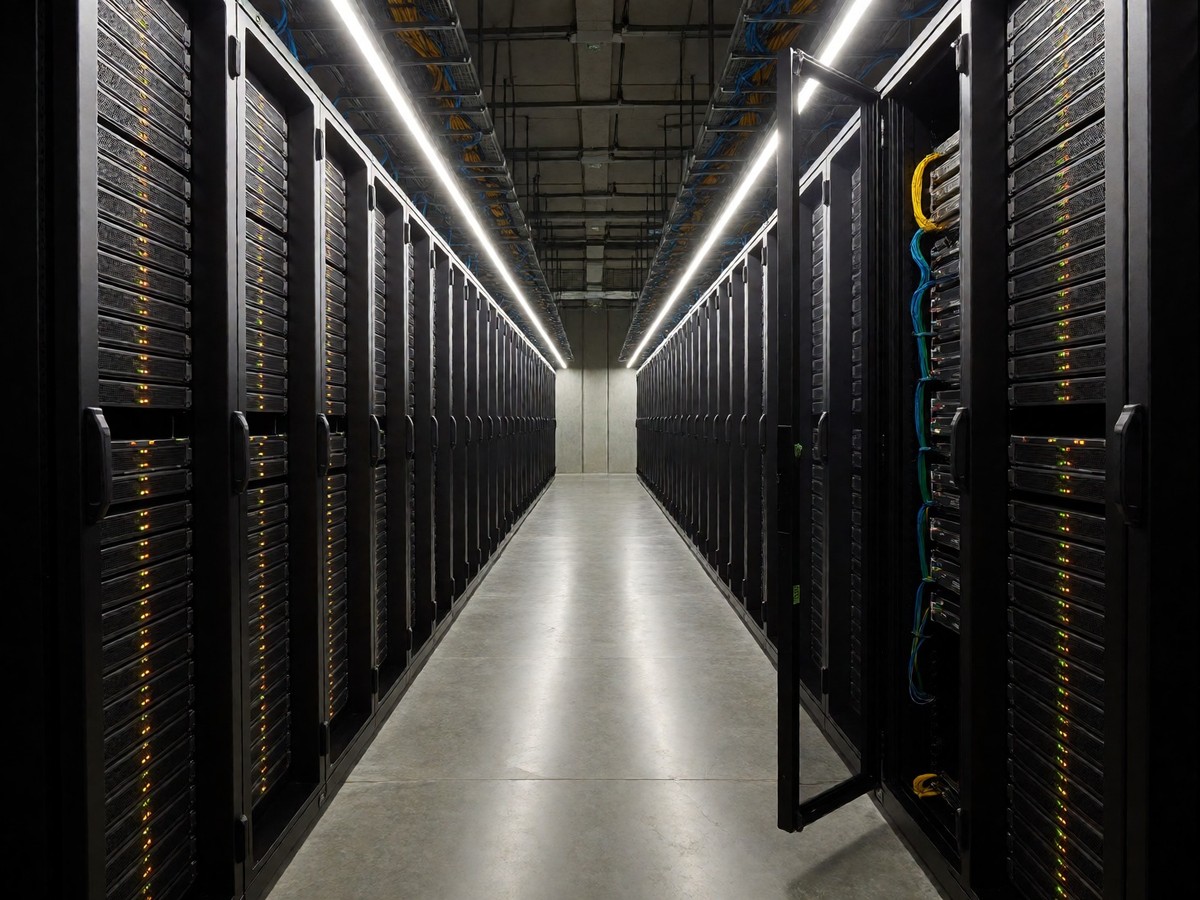
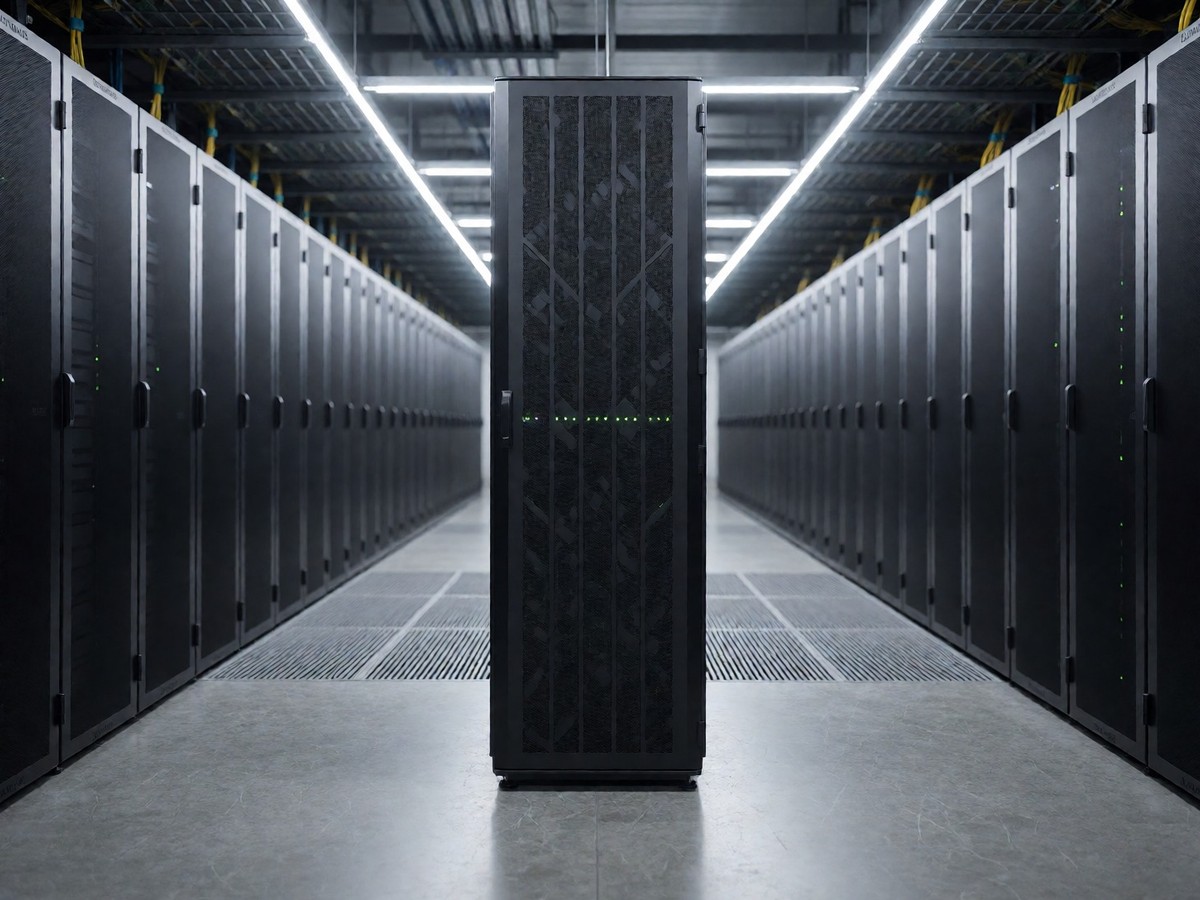
SambaNova SN40L deployments consume between 8 kW and 15 kW per rack. The average power draw for inference tasks is 10 kW. Many data center managers overlook this specific range when planning facility upgrades. An Nvidia H100 SXM deployment consumes 700W per GPU. In high-density environments, the power demands for Nvidia systems reach 140 kW per rack. The SN40L requires a different approach to power management because of its lower, more concentrated draw.
Errors in Power Shelf and PDU Margin Testing
Technicians often fail to conduct sufficient rack-level stress testing during deployment. This omission leads to instability. Specifically, the lack of power shelf and Power Distribution Unit (PDU) margin testing causes failures when the system reaches its limit. Professionals also skip load-balancing validation and thermal throttling assessments. These errors cause hardware to fail under heavy pressure. Can engineers accurately predict the sudden power spikes of agentic workloads? Deploying the SN40L requires precise power and thermal validation to avoid system instability.
Managing the Memory Wall with Tiered Storage
The SN40L uses a three-tier memory architecture to solve the memory wall. Each SN40L chip includes 520 MiB of on-chip SRAM. The second tier includes 64 GiB of HBM. The third tier consists of up to 1.5 TiB of DDR DRAM. This hierarchy prevents the energy-intensive movement of data. Because the SN40L architecture requires specific power shelf and PDU margin testing to ensure stability, engineers often face issues when they apply general data center power assumptions to these specialized racks. The system moves models from DDR to HBM at over 1 TB/s. This speed prevents the latency of loading weights from host PCIe bandwidth. By keeping the hottest weights in SRAM and HBM, the system maintains high performance.
Data Center Audit and Infrastructure Gaps
A data center audit reveals gaps in power, cooling, and processing capacity. Organizations must identify these gaps before they install high-density server racks. Advanced cooling systems are necessary to maintain stability. If a facility lacks the ability to manage specialized power loads, the deployment fails. Administrators must evaluate the specific needs of AI-optimized hardware.
| Feature | SambaNova SN40L | Groq LPU (70B config) |
|---|---|---|
| Chips per configuration | 16 | 576 |
| Total SRAM | ~8 GB (in 16-chip node) | 230 MiB per chip |
| Memory Tiers | SRAM, HBM, DDR | SRAM only |
| Power per Rack | 8 kW – 15 kW | Tens of racks |
| Form Factor | 19-inch (Air-cooled) | Multiple racks |
Scaling Differences in Data Center Footprints
Scaling AI models involves massive differences in hardware requirements. Groq requires hundreds of chips to run the Llama 3.3 70B model. Specifically, the Llama 3.3 70B model on the LPU requires 576 chips because each LPU has only 230 MiB of memory. The compute roofline on that configuration is 432 int8 POPs, which fits into nine racks. In contrast, SambaNova uses just 16 SN40L chips for the same 70B model. This configuration provides a compute roofline of 10.2 bf16 PFLOPS. You already know that scaling a model across nine racks requires far more power and cooling than a single-rack solution.
Hardware Design and the RDU Architecture
The Reconfigurable Dataflow Unit (RDU) uses a dataflow architecture. The SN40L chip includes 1,040 Pattern Compute Units (PCUs) and 1,040 Pattern Memory Units (PMUs). These units are built using TSMC 5nm technology. The PCUs handle systolic and streaming computation. The PMUs store tensors, parameters, and intermediate results. The RDU architecture uses a programmable switch fabric to connect these resources. This design eliminates the need for redundant memory calls. The compiler maps the model graph to the hardware. It fuses operations into large kernels. This process keeps the calculation on the chip.
Agentic Workflows and the Token Tax
Agentic workflows create a unique strain on power and latency. An agentic workflow follows a loop: Plan, Think, Act, Observe, and Repeat. This process consumes tokens rapidly. Running these steps through a massive model leads to the "Agent Tax." For example, a task with 10 autonomous actions can take over 4 minutes on traditional cloud infrastructure. This latency ruins the experience for users. SambaNova addresses this with the SN50 RDU, which provides 5x the maximum speed and 3x the throughput for agentic inference.
Cooling and Form Factor Standards
The SN40L rack uses a standard 19-inch form factor. This allows the system to work with air cooling in existing data centers. The compact design uses 16 chips per rack. This reduces the operational costs and data center footprint. Organizations should prioritize air-cooled solutions for cost-effective high-performance inference.