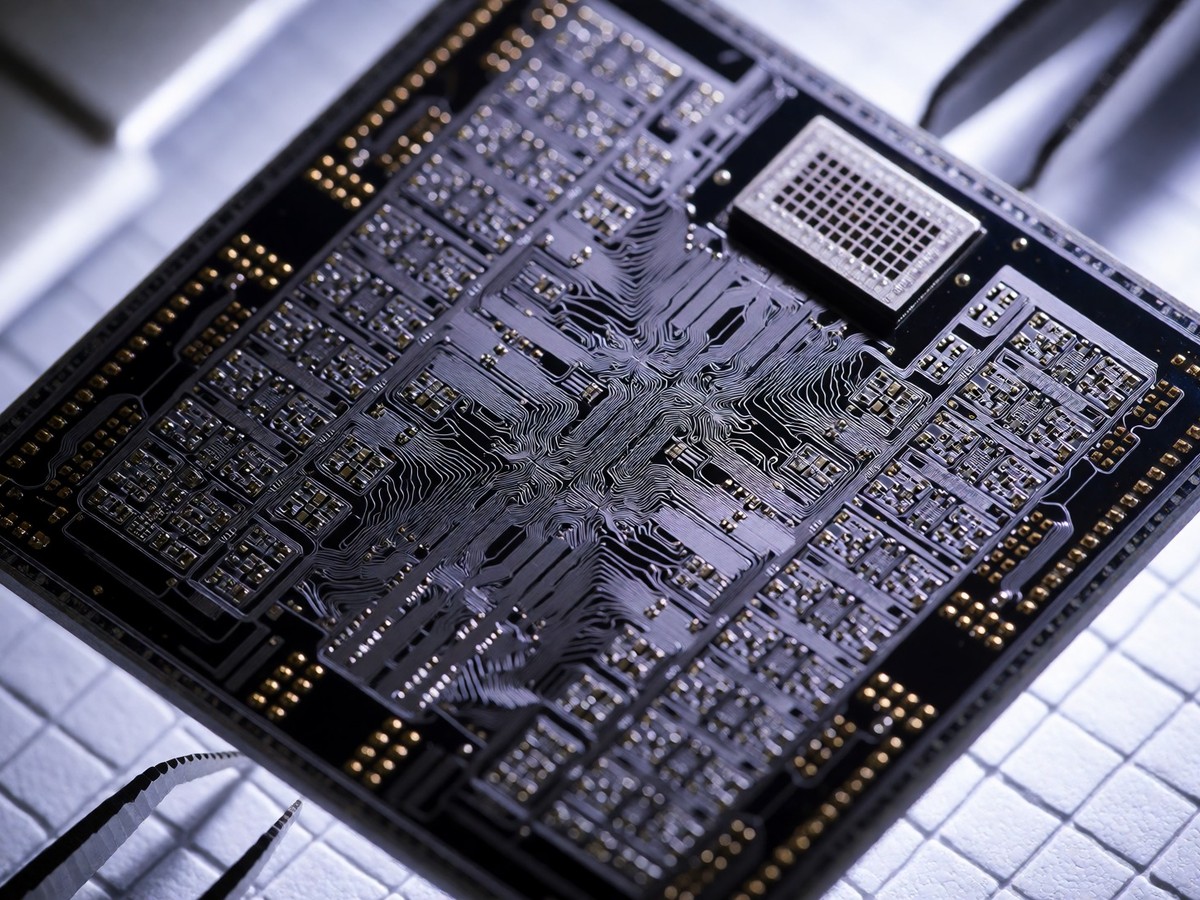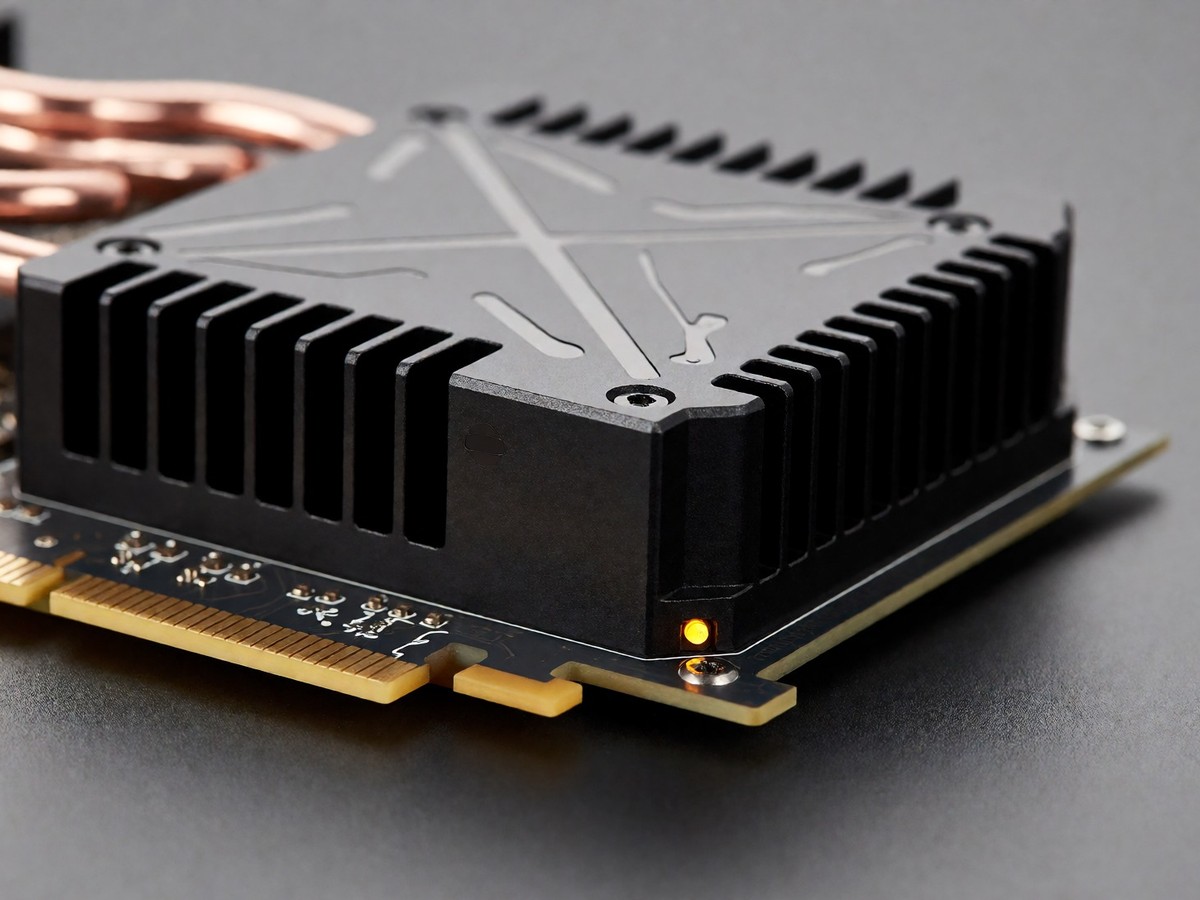
The Blackhole architecture provides superior performance for inference workloads compared to current GPUs. Tenstorrent designs these systems using RISC-V technology and advanced computer architecture. The Tensix core acts as the core IP component in Tenstorrent AI accelerators. Each Tensix core contains five RISC-V "baby" cores, including two dedicated to data movement and three for orchestrating compute, plus a matrix floating-point unit for tensor operations and a vector unit for element-wise math. Every core includes between one and two megabytes of on-die static RAM. Stan Sokorac leads the development of the Tensix high-performance AI processing unit. He previously managed design verification efforts at Arm and led a global IP design and verification team at AMD. Dan Bailey leads the physical engineering team, bringing expertise in high-performance flip flops and global clock distribution networks. Keith Witek, the Chief Operating Officer, leads operations, legal, HR, finance, and strategic deals. Milos Trajkovic, a co-founder, leads the systems engineering and low-level software teams. His systems engineering team focuses on designing, building, and deploying advanced systems at large scale. The foundation software team handles software layers sitting at the bottom of the AI stack. They abstract hardware details and deliver APIs and tools that enable kernel developers to deliver various operations at the highest performance. The Blackhole chip adds 16 dedicated large RISC-V cores to the mesh for data orchestration that previously required the host CPU. This design eliminates the bottleneck that affected small-batch inference performance on the prior Wormhole generation. The cores communicate through a Network-on-Chip, which is a direct mesh of hardware routers that lets any Tensix core reach any other core’s local SRAM without using DRAM. The Galaxy Blackhole server houses 32 Blackhole chips within a 6U enclosure and connects them through a 100-terabit-per-second Ethernet mesh to deliver 23 petaFLOPS of Block FP8 compute starting at $110,000 for users.
Open-source software and development teams
The TT-Metalium software stack provides an open-source, MIT-licensed alternative to CUDA. Programmers must reason explicitly about which SRAM holds specific data and when that data moves across the Network-on-Chip. This requirement makes programming harder than writing a CUDA kernel. You know the struggle of managing memory latency in large models. Milos Trajkovic leads the foundational software team that builds the software layers sitting at the bottom of the AI stack. This team delivers APIs and tools that enable kernel developers to deliver various operations at the highest performance. Jasmina Vasiljevic leads the Pathfinding team to explore new programming models and prototype compilation methods. Her work focuses on enhancing Tenstorrent’s RISC-V and AI architecture to make it more accessible to researchers and hobbyists. The company’s mission addresses the open-source compute demands for software 2.0. While verified model support in mid-2026 covers many large language models and video generation workloads, the software ecosystem does not yet support the full ecosystem of frameworks that CUDA supports out of the box. The company scales AI compute from individual cards to the Tenstorrent Galaxy. Bob Grim, the Vice President of Corporate Communications and Investor Relations, manages key sales accounts and co-leads fundraising activities. He previously founded Rivet Networks and managed businesses at Intel. Tanya Bischoff, the Senior Director of Supply Chain and Operations, manages the supply chain using her experience from roles at North and Google.
Market positioning and value
The Blackhole platform provides cost advantages for data center operators. The system delivers 23 petaFLOPS of Block FP8 compute starting at $110,000, which is one-third to one-fifth the price of an equivalent Nvidia DGX configuration for inference-dominated workloads. The aggregate on-chip SRAM reaches 6.2 gigabytes with an internal bandwidth of 2.9 petabytes per second, backed by 1 terabyte of GDDR6 at 16 terabytes per second. Qualcomm is in advanced talks to acquire Tenstorrent at a valuation between $8 billion and $10 billion. This acquisition would provide Qualcomm with a RISC-V-based AI accelerator architecture designed to outperform Nvidia’s GPU stacks on inference workloads. Jim Keller, who formerly held leadership roles at Intel, AMD, and Tesla, leads the company as CEO. The company has raised $1.5B to deploy Galaxy globally. This deal would address Qualcomm’s need for an open-ISA AI accelerator to hedge against Arm dependency. The architecture uses chiplets to build scalable, configurable, and composable SiP.
| Component | Specification |
|---|---|
| Aggregate On-chip SRAM | 6.2 gigabytes |
| Internal Bandwidth | 2.9 petabytes per second |
| GDDR6 Capacity | 1 terabyte |
| GDDR6 Bandwidth | 16 terabytes per second |
| Compute Performance | 23 petaFLOPS (Block FP8) |
| Starting Price | $110,000 |
Can the software ecosystem overcome the decades of dominance held by Nvidia’s CUDA?