Lightmatter’s photonic interconnect technology addresses the immediate bottleneck in AI data centers: electrical signal degradation. As GPU clusters scale to thousands of units, copper cables fail to maintain bandwidth over distance without excessive power consumption. Photonic links replace these electrical paths with light, drastically reducing latency and energy overhead per bit transferred. This shift is no longer theoretical; it is a necessary engineering step to keep large-scale inference workloads viable under current power constraints. The core advantage lies in using photons instead of electrons for high-speed data movement between compute nodes.
The physics of the bottleneck
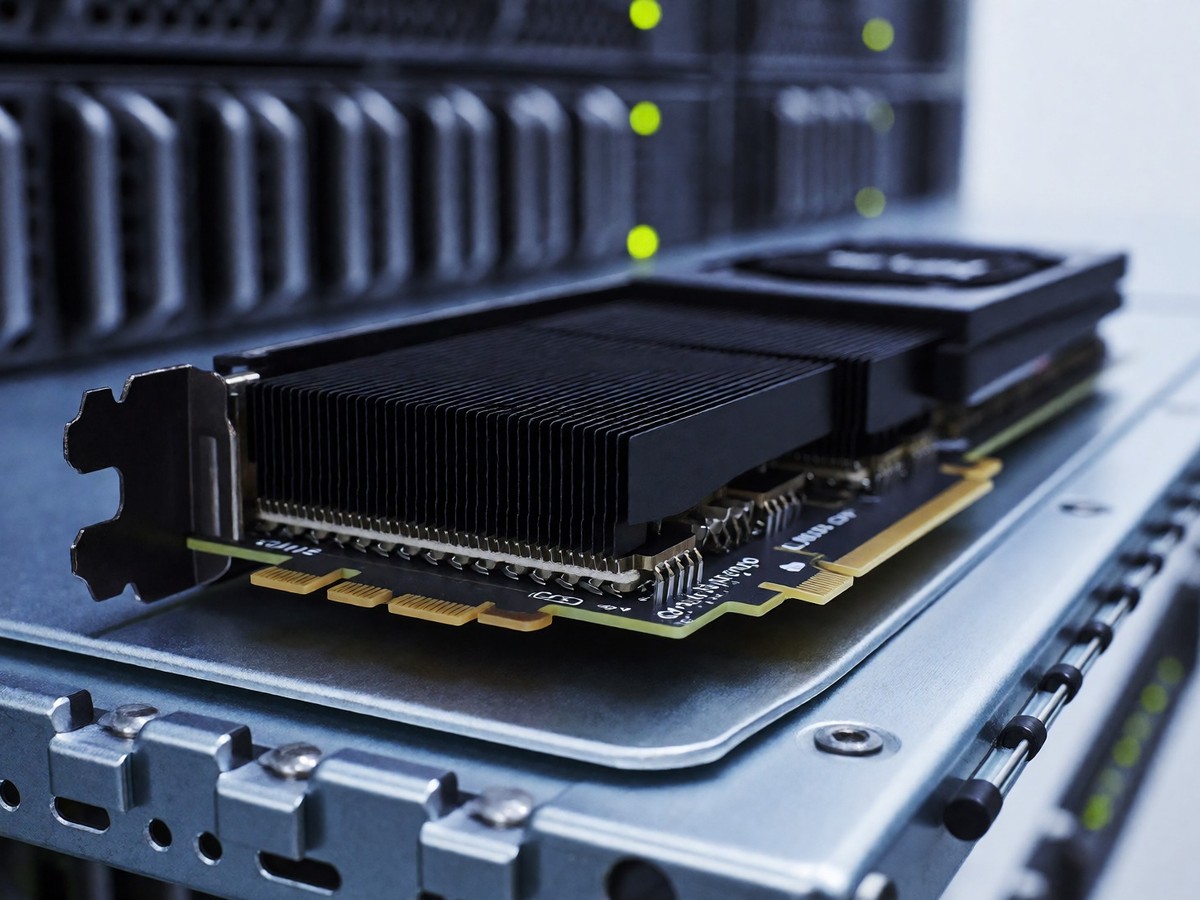
Electrical interconnects face a hard physical limit known as the RC delay, where resistance and capacitance slow down signals as cable length increases. In dense AI racks, this forces engineers to use massive amounts of power just to move data from one accelerator to another. Lightmatter’s approach uses silicon photonics to encode data onto laser beams, which travel through fiber with minimal loss. The system achieves terabit-per-second throughput while consuming a fraction of the watts required by traditional SerDes transceivers. For a cluster running 100 gigawatts of compute power, even a 1% reduction in interconnect energy saves megawatts of cooling capacity. That saved capacity can be redirected back to actual model training or inference tasks. You likely know that heat is the primary constraint in modern data center design, so any technology that reduces waste heat at the chip level changes the entire buildout math.
The negative side of this transition is integration complexity. Photonic chips require precise alignment with optical fibers, a process far more delicate than plugging in a standard RJ45 or QSFP port. Early implementations faced yield issues during mass production, meaning not every unit functions perfectly out of the box. Maintenance also becomes harder because technicians need specialized tools to diagnose optical faults rather than simple electrical continuity checks. These operational hurdles mean that photonic interconnects are not a drop-in replacement for existing infrastructure. They demand new skills and workflows from data center operators who have spent decades managing copper-based networks.
Scaling for real-world deployment
The current generation of AI models demands parallel processing across hundreds of accelerators simultaneously. Traditional network topologies create hotspots where certain links saturate while others sit idle. Photonic mesh architectures allow dynamic routing of data packets based on real-time demand, smoothing out these traffic peaks. This flexibility prevents the "straggler effect," where one slow node holds up the entire batch of computations. By enabling higher bandwidth density, Lightmatter’s technology allows data centers to pack more compute power into the same physical footprint. The result is a higher effective FLOPS per square meter, which directly lowers the cost per token generated. Operators can run larger models without expanding their facility size or increasing their electricity bill proportionally.
However, the ecosystem around this hardware is still maturing. Software stacks must be updated to recognize and optimize for photonic link characteristics, such as different packet sizes and error correction methods. Many existing AI frameworks assume electrical network behavior, requiring significant re-engineering to fully exploit the speed gains of optics. Until these software layers catch up, the full performance potential remains locked away. Data center architects must decide whether to invest in this new stack now or wait for broader industry adoption. The question of when the software ecosystem will fully mature enough to justify the upfront hardware costs remains open for many decision-makers.