SpaceX bought Cursor’s parent company, Anysphere, in an all-stock deal on August 14, 2026. This acquisition follows rapid valuation growth for the startup. Cursor reached a $29.3 billion post-money valuation in November 2025. The company reported $3 billion in annual recurring revenue in May 2026. Michael Truell, Sualeh Asif, Aman Sanger, and Arvid Lunnemark founded the company in 2022 while they were students at MIT. The startup grew through several funding rounds, including a $900 million Series C in June 2025. This deal gives SpaceX the right to acquire the company for $60 billion later this year, or a $10 billion fallback if the acquisition does not go through.
Technical performance and codebase intelligence
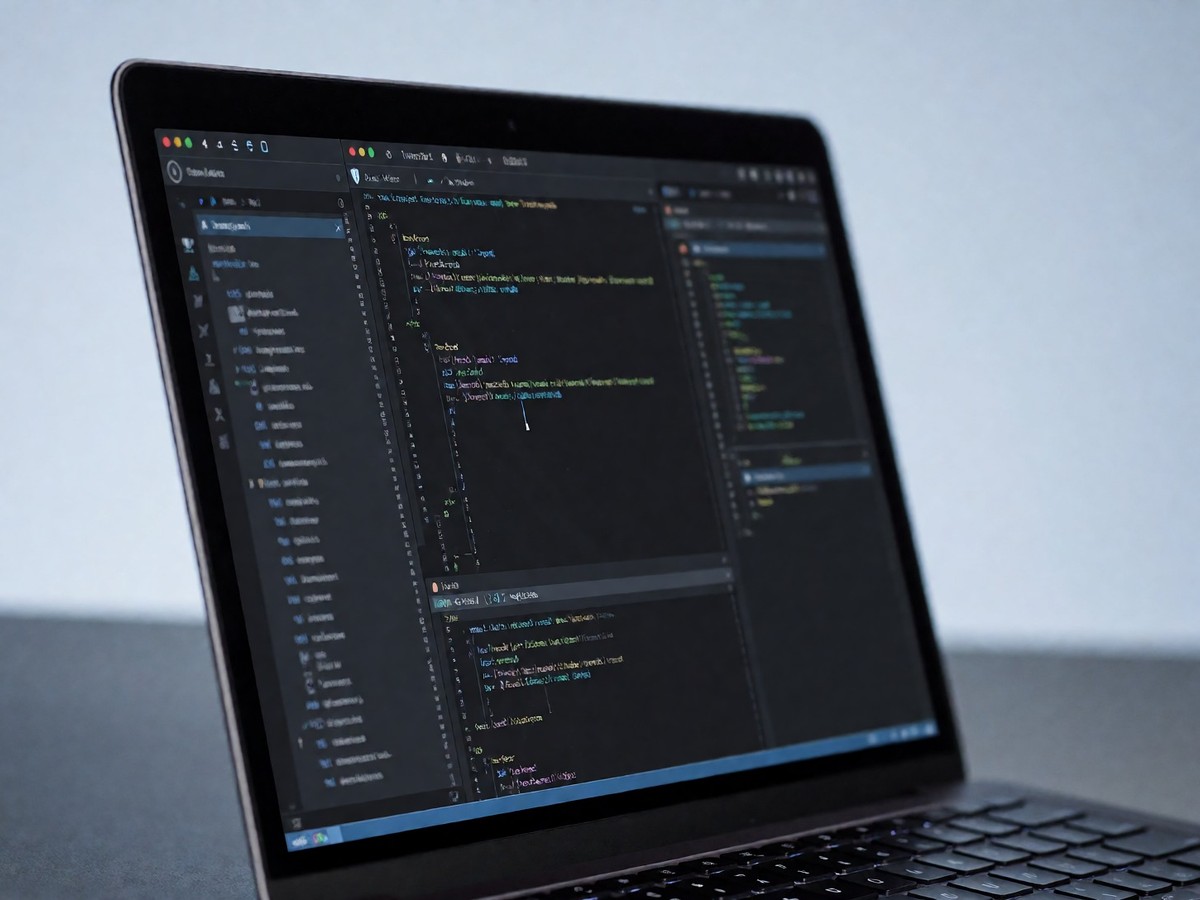
Cursor provides an AI-native code editor that uses local embeddings to index entire repositories. This architecture allows the tool to perform multi-file edits and semantic searches across large projects. When a developer renames a service interface, Cursor updates all dependencies across the codebase in one operation. You probably know the difference between a standard text editor and an AI-native IDE. Cursor achieves higher task resolution on complex refactors because its architecture uses local embeddings to index the entire repository, which allows the model to understand dependencies across thousands of files without sending them to a remote server. In testing, Cursor completes multi-step coding tasks in 62.95 seconds. This beats GitHub Copilot’s 89.91 seconds by 30%.
| Plan | Price | Best for |
|---|---|---|
| Hobby | Free | Evaluating the editor |
| Pro | $20/mo | Daily coding tasks |
| Teams | $40/user/mo | Engineering teams of 3+ |
| Enterprise | Custom | Large organizations |
Copilot achieves 56% success on SWE-Bench Verified benchmarks, while Cursor achieves 51.7%. Copilot is better at isolated coding problems. However, Cursor is faster for tasks that require deep codebase context. In June 2025, Cursor moved to a dollar-denominated credit pool for premium models. This pool includes credits for models like Claude and GPT-4o. Users can stay in Auto mode to avoid exhausting their monthly balance.
Enterprise adoption and fintech compliance
Enterprise teams choose Cursor for its SOC 2 Type 2 certification and zero data retention options. These features exist in the Business and Enterprise plans. The $40 per seat Business plan lacks the SSO and SCIM provisioning found in GitHub Copilot Enterprise. GitHub Copilot provides IP indemnity, which protects organizations against legal risks from AI-generated code. Cursor does not provide this level of legal protection.
Engineering managers in fintech face specific risks when they use AI-generated code. Veracode research from 2025 and 2026 found that 45% of AI-generated code introduces OWASP Top 10 vulnerabilities. In monetary calculations, models often default to FLOAT or DOUBLE instead of DECIMAL. This error causes reconciliation discrepancies during audits. Cursor’s Composer handles multi-file changes, but engineers must still check for missing idempotency keys in payment retry logic. Claude Code provides a 1M token context window which helps with complex payment services.
Which tool will dominate the next generation of agentic workflows? I recommend Cursor for teams working on large, complex codebases where deep codebase awareness saves more time than the subscription costs.