Sutskever’s transition from OpenAI
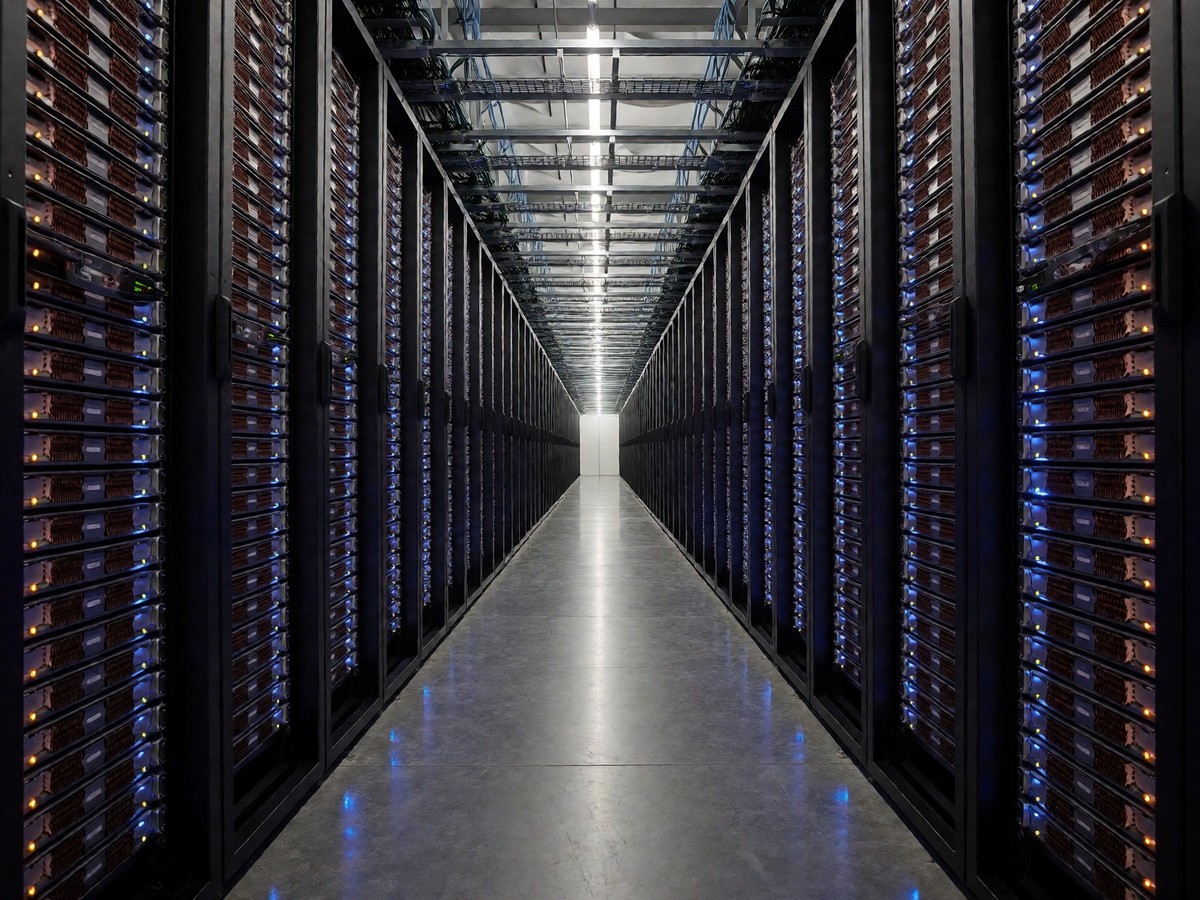
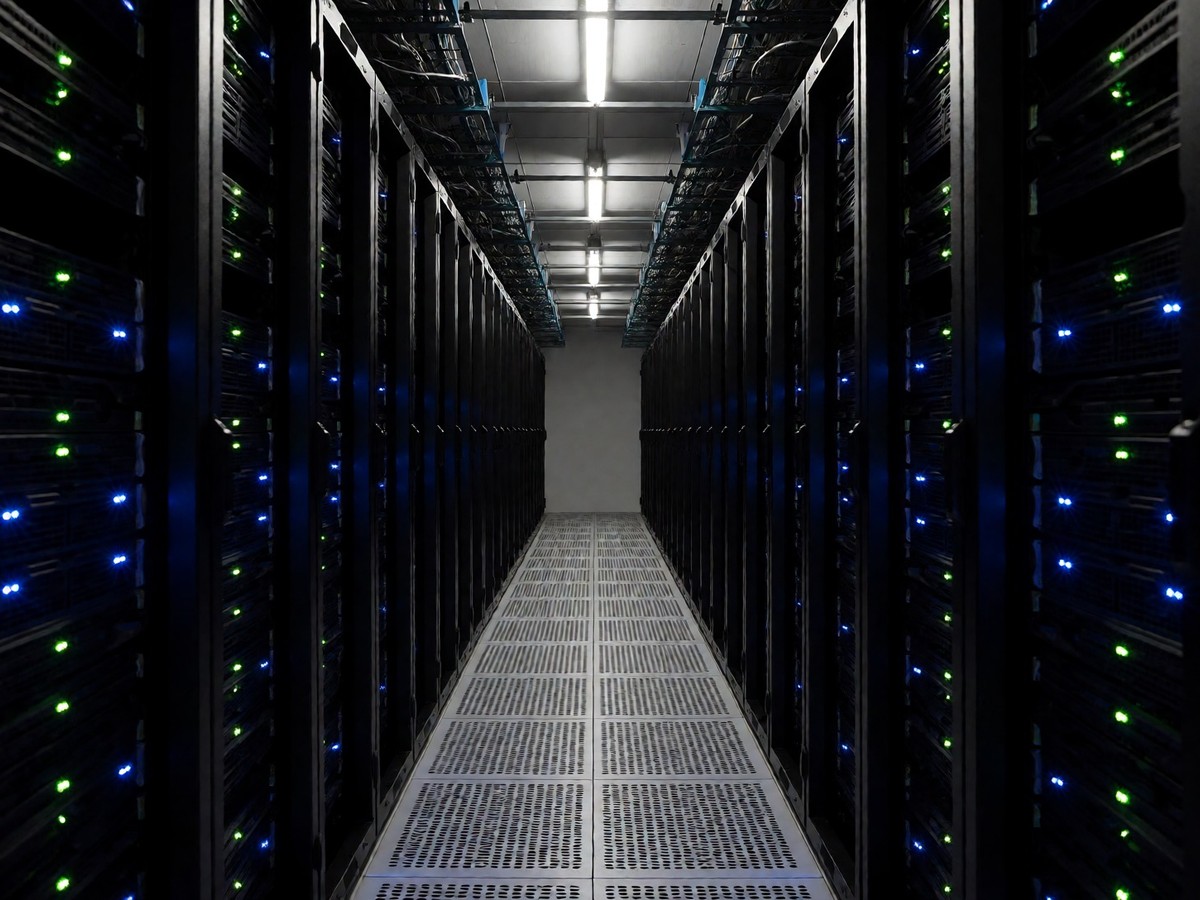
Ilya Sutskever left OpenAI in May 2024. He was a co-founder and the chief data scientist at the company. He also belonged to the board of directors that voted to remove Sam Altman in November 2023. This decision caused massive internal conflict. Altman returned to the company one week after the ouster. Jakub Pachoki succeeded Sutskever as the new chief scientist. Altman said OpenAI would not be what it is without him and described Sutskever as one of the greatest minds of his generation. He also said he is committed to finishing the mission they started together. I consider the communication issues that led to the Altman ouster a clear sign of organizational dysfunction. Ilya Sutskever, who worked as the chief data scientist and co-founder of OpenAI before leaving to start Safe Superintelligence, participated in the board decision to remove Sam Altman from his leadership position in late 2023. Sutskever spoke with Bloomberg about the necessity of funding for his new project. He explained that SSI is a company that remains free from outside pressures. He wants to create a future where people use AI without bad consequences. He also distinguishes between "trust and safety" and safety that is "like nuclear safety." He also noted the prospect of a giant super data center that autonomously develops technology. He called the existence of such a system "crazy." He wants to contribute to the safety of that development.
The mission of Safe Superintelligence
Sutskever founded Safe Superintelligence (SSI) shortly after his departure. He works with co-founders Daniel Gross and Daniel Levy. Gross was a former partner at Y Combinator. Levy worked as an engineer at OpenAI. The company maintains offices in Palo Alto and Tel Aviv. Daniel Gross stepped down as CEO on June 29, 2024, to work with Meta. Daniel Levy is the new president.
| SSI Entity Information | Details |
|---|---|
| Co-founder | Daniel Gross |
| Co-founder | Daniel Levy |
| CEO | Ilya Sutskever |
| President | Daniel Levy |
| Locations | Palo Alto and Tel Aviv |
The company has one goal: a safe superintelligence. SSI is a company with a singular focus. Its mission, name, and entire product roadmap revolve around the concept of safe superintelligence. It has no other products or commercial ambitions. The business model is designed to keep the company free from short-term commercial pressures. The team approaches safety and capability as technical problems to be solved through "revolutionary engineering and scientific breakthroughs." You already know the basics of how AI companies usually operate, but SSI deviates from the standard commercial roadmap. The team targets the world’s best engineers and researchers. They want a lean, cracked team to focus on one product. They reject the idea of being distracted by management overhead or product cycles. This American company also aims to advance capabilities while ensuring safety remains ahead. Mark Zuckerberg expressed interest in acquiring the company and recruiting Gross and Nat Friedman. Sutskever denied these rumors. He stated the company has the team, the compute, and the vision.
The fallout of superalignment research
The superalignment team at OpenAI dissolved in May 2024. Ilya Sutskever and Jan Leike co-led the group. Leike was the leader of a safety team at OpenAI. The team expected 20% of OpenAI’s compute resources for their work. They only received a fraction of that amount. This resource constraint blocked the team from their research. The refusal to grant the superalignment team the requested computing resources was a blatant failure in OpenAI’s commitment to safety. Does the distribution of researchers between rival labs impede the progress of superintelligence alignment? Leike left OpenAI for Anthropic on May 28. Anthropic is a competitor that also focuses on safety. Leike’s new team at Anthropic works on scalable oversight, weak-to-strong generalization, and automated alignment research. These methods help control large-scale AI behavior in predictable and desirable ways. The original superalignment plan at OpenAI aimed to solve alignment issues in four years. The team wanted to build a trustworthy human-level AI alignment researcher. This researcher would then solve the rest of the problem. The goal is to align AI behavior with human values and intentions. Misalignment can cause AI to act on biased or anti-human sentiments. A misaligned healthcare system might prioritize efficiency over patient care. This could lead to dangerous outcomes for individuals and society.