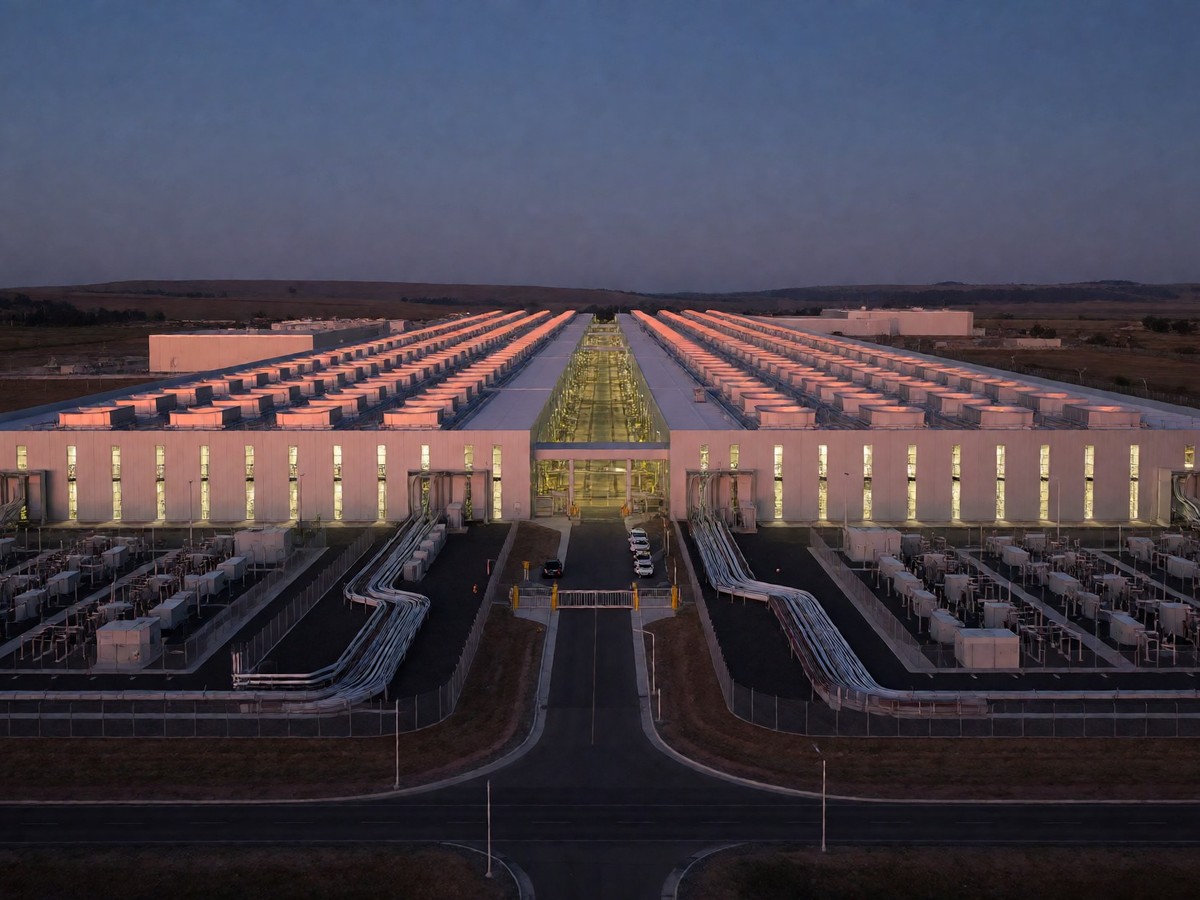
Tesla announced plans in November 2025 to build a dedicated humanoid robot production facility at Giga Texas. Drone footage from that time showed ground clearing and site preparation for the new building. Elon Musk expects humanoid robots to eventually exceed the automotive business in economic impact. Tesla uses the Fremont factory in California to produce 1 million units annually. This Fremont production serves as pilot manufacturing for algorithm refinement and provides units for internal Tesla use. In 2025, production at Fremont reached several thousand units. The facility in Texas benefits from established manufacturing infrastructure, proximity to suppliers, and tax incentives from Texas authorities. The target of 10 million Optimus units annually at Giga Texas requires a daily production pace of 27,000 robots, which exceeds the current global production of 500,000 industrial robots by a factor of twenty times over. This scale requires a supply chain that Tesla has not yet proven. Tesla’s board committed $5 to $10 billion to this facility. Elon Musk also suggested the possibility of requiring a production capacity of 100 million units, potentially located on Mars.
Hardware Specifications and Comparisons
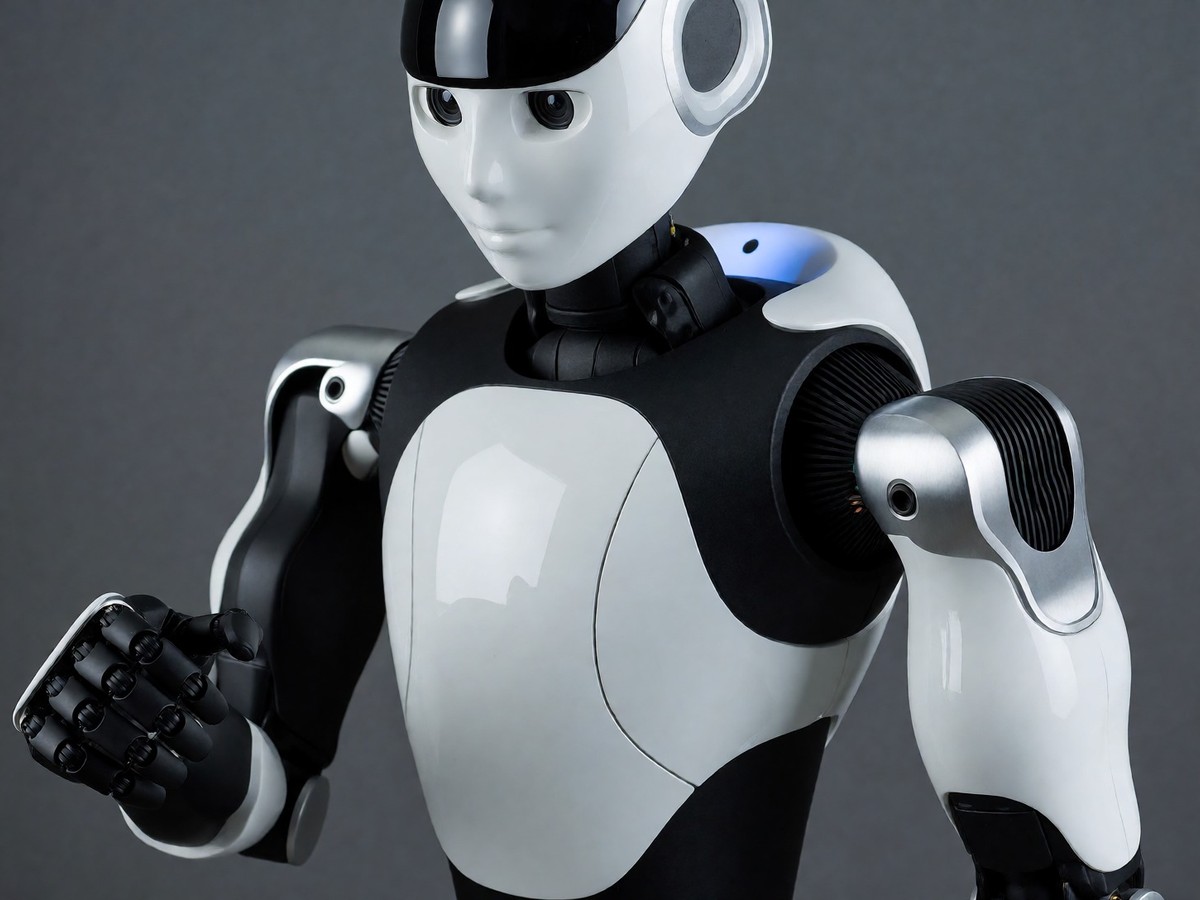
Tesla designs Optimus for industrial tasks. The robot relies on neural network AI trained on video demonstrations. It uses multiple cameras, force sensors, and depth sensing. The rechargeable battery pack enables 8 to 12 hours of operating duration. The Gen 3 model includes upgraded hands with 22 degrees of freedom and 50 actuators. Optimus performs component assembly, machine tending, inventory management, and quality inspection. Video demonstrations from 2024 and 2025 showed the robot folding laundry and pouring beverages.
| Specification | Tesla Optimus (Gen 2/3) | Boston Dynamics Atlas |
|---|---|---|
| Height | ~173 cm (5’8") | Full-size |
| Mass | ~57 kg (125 lbs) | ~86 kg (190 lbs) |
| Payload | ~20 kg (44 lbs) | ~50 kg (110 lbs) |
| Degrees of Freedom | 22 (hands) / 50 (total) | 56 |
| Primary Use | Factory/Home | Research/Industrial |
Boston Dynamics’ Atlas performs parkour and lifts 50 kg. The robot operates in temperatures from -4°F to 104°F. It provides 56 degrees of freedom. Tesla’s Optimus weighs 125 lbs and reaches walking speeds of 5 mph. Optimus can carry up to 40 lbs and deadlift 150 lbs. You should pick Atlas if you need extreme durability and high payload capacity for research. Optimus targets low-complexity tasks in controlled environments. Atlas excels in unstructured environments, but its high energy consumption limits continuous operation. Other companies provide different access levels. Unitree offers the G1 for $13,500, while 1X provides the NEO for $20,000.
Economic Drivers and Market Integration
Automotive manufacturing drives the demand for humanoid robots because of repetitive workflows and rising labor costs. IDTechEx projects the humanoid robot market will reach $25 billion by the early 2030s. Annual shipments of humanoid robots will reach 1.8 million units by 2036. In the automotive sector, shipments should reach 1.6 million units by 2035. Average selling prices for robots will drop from $114,700 in 2024 to $37,000 by 2030. High-utilization deployments can reduce operating costs to below $5 per hour by 2030. Payback periods for these robots could fall to six months by 2026.
Historically, the automotive industry has led the charge in adoption, with one million robots already in use. Robot density varies by nation. The Republic of Korea saw 2,867 robots per 10,000 employees in 2021. Germany follows with 1,500. The United States has 1,457. China’s robot density reaches 772 units per 10,000 workers. Ambitious political targets for electric vehicles, such as the European Union’s 2035 goal, force the industry to invest in automation. The logistics and warehousing industry will become the second-largest adopter of humanoid robots. Warehouses use humanoids for precision and consistency in repetitive tasks. This helps lower labor costs and reduces operational disruptions. As of 2025, humanoid deployment in warehouses remains below 5%. Each unit typically operates for 2 to 3 hours before it requires a recharge. Can a company manage the displacement of human workers as these machines take over routine roles?