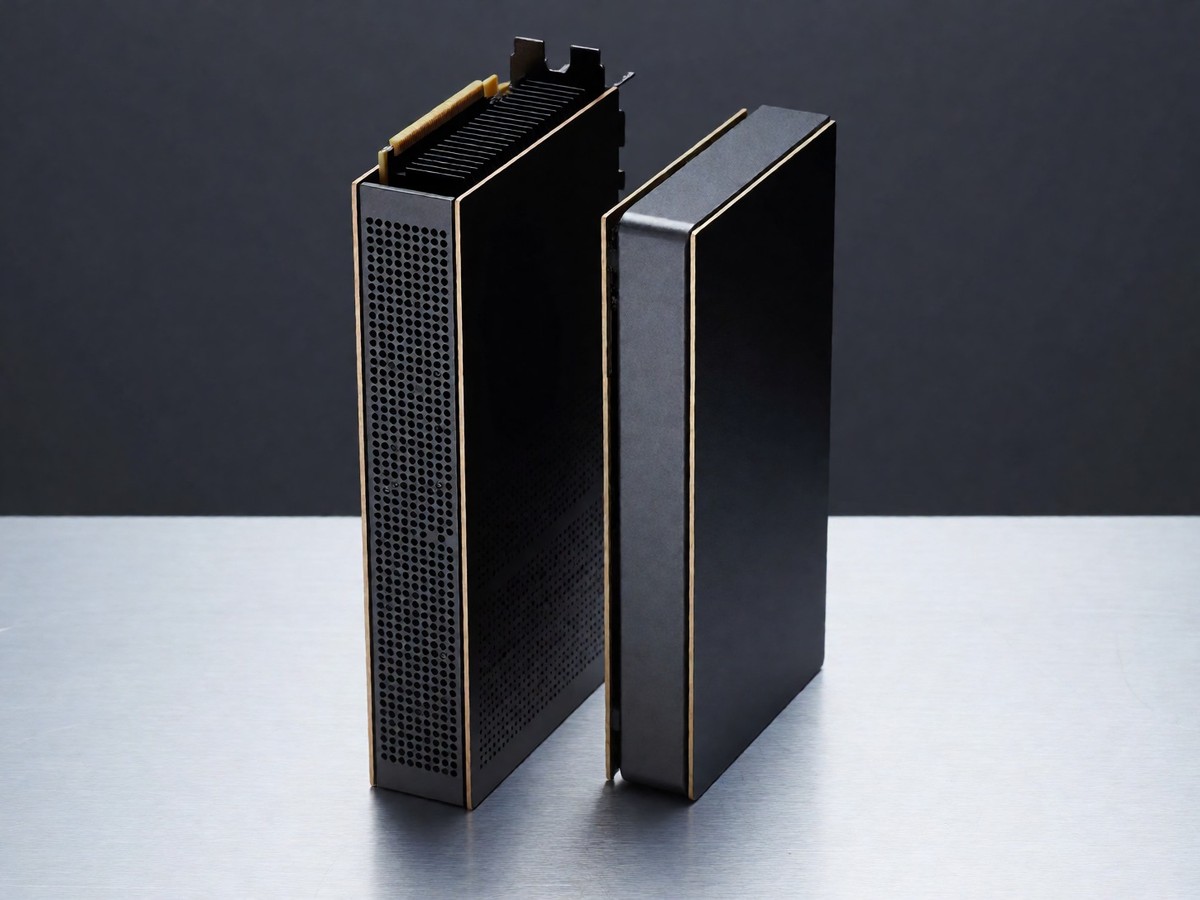
The Colossus supercomputer cluster provides the processing power for Grok 3, using over 100,000 NVIDIA H100 GPUs to deliver 10 to 15 times the power of previous models. I see the model utilize 2.7 trillion parameters and Mixture-of-Experts layers to process 12.8 trillion tokens. Grok 3 achieved a score of 93.3% on the AIME math exam using its "Think Mode" to solve problems step by step. It also reached a success rate of 84.6% on the GPQA test for postgraduate-level reasoning. Because Grok 3 uses a consensus metric where it generates 64 separate outputs to determine a single answer, it appears more capable in benchmarks than OpenAI’s o1 models when you compare the results using a standard, one-shot evaluation method. The model delivers an average response latency of 67 milliseconds.
The reasoning logic and benchmark truth
I find the "cons@64" metric misleading. When you compare the models apples to apples, Grok 3 is less capable than OpenAI’s o1 or o3-mini-high. The model is slightly better than DeepSeek R1. I would skip the marketing claim that it is the smartest AI on Earth if you require consistent, single-output performance. Grok 3 is 30% more energy-efficient than Grok 2. It can build games and simulators.
Grok 3 is built for technical tasks like coding and science. Developers use it to generate, debug, and explain complex code. It can also perform advanced reasoning for tasks in mathematics and coding. I find its "Think Mode" breaks down problems into logical steps. This makes it a good choice for students or developers. Grok 3 has a sarcastic and edgy style by default, but it can switch to a professional tone. However, Grok 3 is not a Shakespeare or a Tarantino for creative writing and poetry. The model struggles to understand human emotions and it has difficulty summarizing all the fine details in long, complex texts.
Real-time search and technical capabilities
Grok 3 integrates with the X platform to access real-time data through DeepSearch. This feature allows users to search for accurate and detailed information by focusing on specific sources. Researchers use it to analyze online sentiment and the latest news. Grok 3 handles text and images. It can recognize and analyze images and it can generate creative images from scratch. You probably already know that AI models struggle to handle different types of media at once. Grok 3 can build games and simulators. Does the model actually improve as it continues to learn from real-time data?
Comparative performance and use cases
I would choose Grok 3 if you need a tool for mathematics and coding or research using real-time X data. You should use ChatGPT-4o if you want a versatile tool for content creation or image generation. ChatGPT-4o costs $20 per month for full access and it uses web Browse capabilities. It is capable of a wide range of coding tasks, debugging, and explaining APIs. Claude Opus 4.7 is better for professional writing and complex, multi-step engineering. Claude Opus 4.7 costs $25 per million output tokens and it has a 1M token context window. Gemini 3.1 Pro is the better option for long-context analysis because it has a 1M token window. Gemini 3.1 Pro also scored 94.3% on GPQA Diamond. DeepSeek V4 is a cheap option for high-volume batch work, costing $0.28 per million output tokens.
| Feature | Grok 3 | ChatGPT-4o | Gemini 3.1 Pro | Claude Opus 4.7 |
|---|---|---|---|---|
| Reasoning | High (Think Mode) | Improved | Powerful | Complex |
| Context | 128K (1M experimental) | 128K | 1M | 1M |
| Multimodality | Text, Image | Text, Image, Voice | Text, Image, Voice, Video | Text, Image |
| Price (Output/1M) | $15.00 (via API) | $14.00 | $12.00 | $25.00 |
| Access | X Premium+ ($40/mo) | ChatGPT Plus ($20/mo) | Paid tiers | Paid tiers |
ChatGPT-4o is capable of a wide range of coding tasks, debugging, and explaining APIs. It is a flexible, professional, and conversational model. Claude Opus 4.7 is designed for multi-step engineering and it has stronger instruction following. It produces the most natural long-form prose of any model in this comparison. Gemini 3.1 Pro is the price-performance leader at the frontier with a 1M token context window. DeepSeek V4 is suitable for tasks like code refactoring across thousands of files. I recommend Grok 3 for real-time research and technical coding.