Power constraints in Memphis
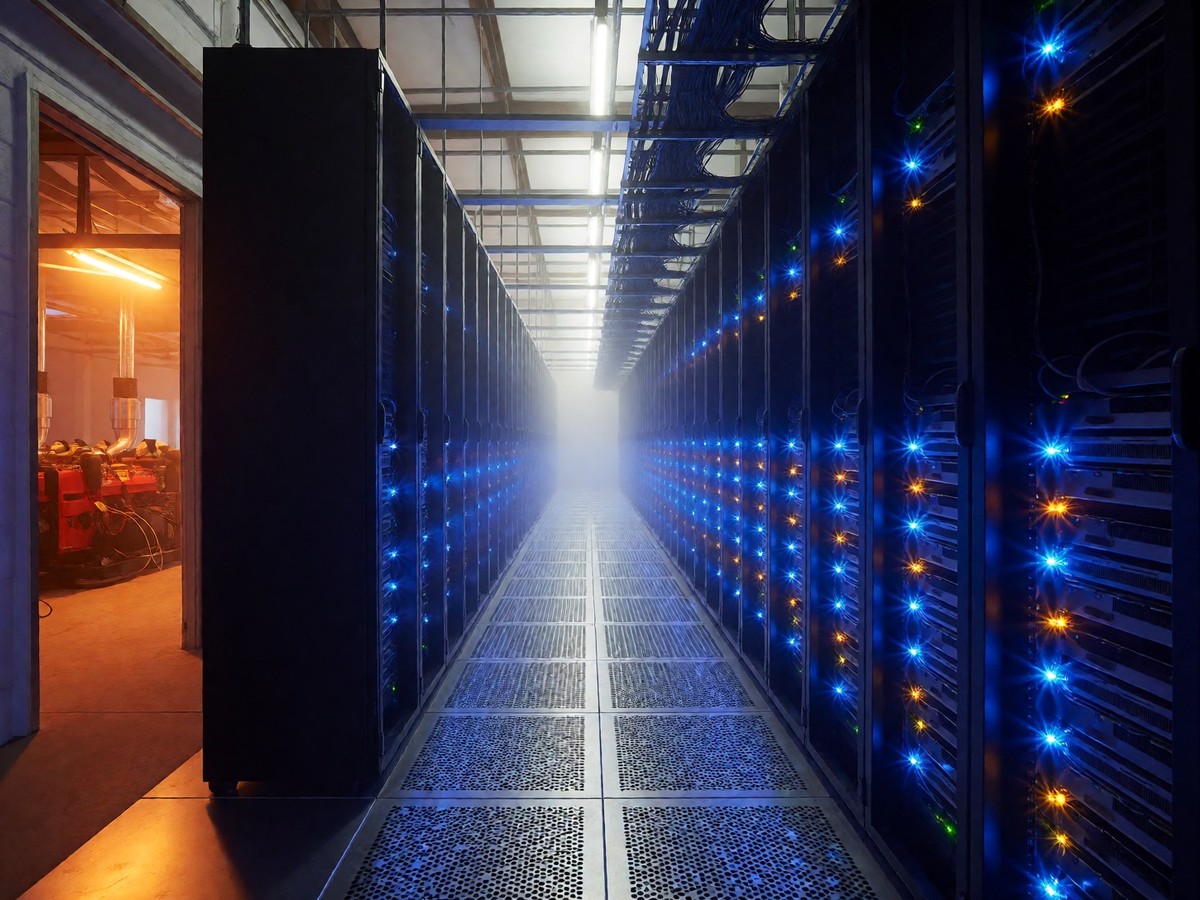
xAI aims to expand its Memphis Colossus facility to house 1 million GPUs, an amount that is a 900% increase over the 100,000 GPUs currently at the facility. Doug McGowan, CEO of Memphis utility MLGW, warned city leaders that the current power framework might not support this expansion. The expansion could double power demand from 150 to 300 megawatts. Currently, xAI uses temporary generators while the utility works to accommodate initial requests. A new substation, paid for by xAI, addresses the first 150 megawatts of power. A second request for 150 megawatts remains under review, and McGowan said it is uncertain when or if that load will come online. xAI has already deployed 200,000 active chips in Memphis. The company has permits for 15 gas turbines in Shelby County, but plans foresee up to 35 active turbines. The Tennessee Valley Authority provides electricity to MLGW through coal, gas, hydroelectric, and solar sources. The TVA says its electricity is 60% carbon-free. SpaceX has also asked for permission to build an orbital data center system of up to 1 million satellites to harness the sun for AI power. You probably know about the Colossus project’s scale, but the physical limits of the electrical grid present a massive hurdle.
Reliability and regulatory pressure
Grok 4.5 maintains higher coding performance than Gemini 3 Pro, yet regulatory pressure mounts. US attorneys general in Pennsylvania and New York pushed for restrictions on nonconsensual intimate images. Britain’s Information Commissioner’s Office opened a formal investigation into Grok over personal data processing and harmful sexualized content. France’s prosecutors raided X’s offices to investigate similar behaviors.
| Metric | Grok 4.5 | Gemini 3 Pro |
|---|---|---|
| Coding Score | 55.3 | 43.5 |
| Knowledge Score | 66.4 | 60.2 |
| Agentic Score | 60.9 | Not ranked |
| Token Cost (Standard) | $0.005 | $0.008 |
Grok 4.5 holds a higher public score estimate of 63.47 than the 61.37 for Gemini 3 Pro. Grok 4.5 specializes in coding and agentic work, which explains its performance on developer-focused benchmarks. Early users of the Grok 4.20 beta report a 65% drop in hallucinations because four specialized agents, including Harper, Benjamin, Lucas, and Grok, debate queries internally. xAI’s burn rate exceeds one billion dollars per month, and the company raised 10 billion dollars in July 2025 to fund its infrastructure. This capital supports the goal of reaching 1 million GPUs in the next 24 months. The company values itself at $230 billion after a $20 billion Series E round. Will the legal disputes over Tesla’s resource sharing stall the Grok expansion?
FSD integration and corporate conflicts
Tesla’s FSD integration with xAI software introduces significant legal and safety risks. The National Highway Traffic Safety Administration opened a preliminary evaluation of approximately 2.88 million Tesla vehicles equipped with Full Self-Driving after receiving multiple reports that cars were running red lights and making unsafe lane changes in various traffic scenarios. There are 18 complaints of FSD ignoring red traffic lights and 24 complaints about vehicles crossing into oncoming traffic or driving in turning lanes. The investigation follows 14 crashes that caused 23 injuries. AMCI Testing revealed aberrant driving behaviors in 1,000 miles of testing that required more than 75 human interventions. The current investigation follows 14 crashes where Teslas with Full Self-Driving engaged approached an intersection with a red traffic signal, continued into the intersection against the light, and crashed with other motor vehicles.
Tesla considers licensing xAI models to assist with FSD and Optimus robot functions. This move creates conflicts of interest since Musk manages both a public company and a private one. SpaceX is buying xAI in a transaction that pegs SpaceX at $1 trillion and xAI at $250 billion. Musk shifted H100 GPU shipments from Tesla to xAI and poached talent from Tesla to the startup. I view this rollout as a massive gamble on physical and legal infrastructure. Tesla remains under scrutiny because it considers an arrangement to license AI models from xAI, which is a privately held company. Tesla invested $2 billion in xAI as it ramps spending for its own AI ambitions, which include a planned capex above $20 billion this year. Tesla shifted H100 GPU shipments from its own inventory to xAI, which fuels ongoing shareholder lawsuits regarding the misuse of public company resources.