Rapid Expansion and Fleet Growth
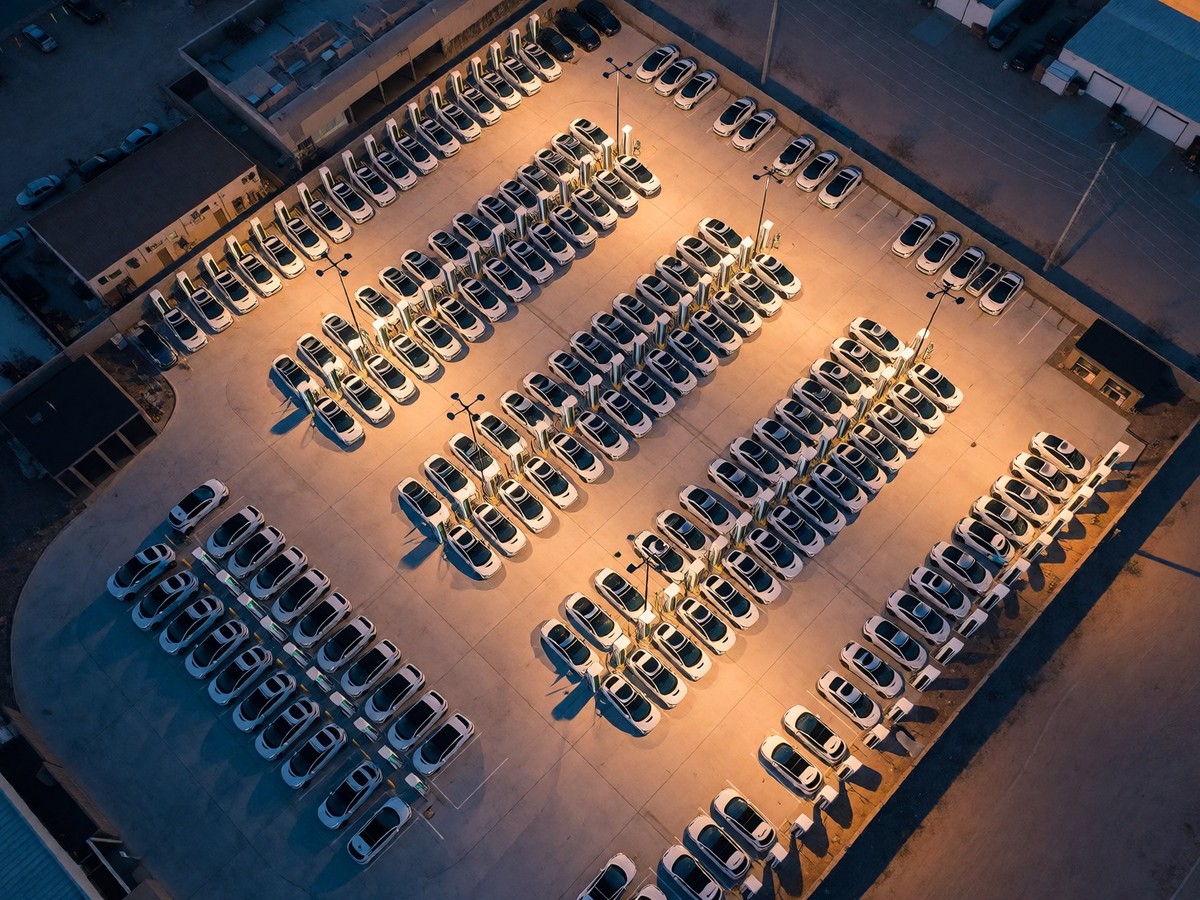
Waymo delivers over 500,000 weekly paid rides across 15 U.S. cities. This volume exceeds Baidu’s second-quarter count of 1 million fully driverless rides, which fell from 3.2 million in the first quarter of 2026 after a stall in Wuhan. I expect the company to struggle with its target of 1 million weekly rides by the end of 2026 because it requires roughly 7,200 active vehicles. The current fleet exceeds 4,000 vehicles, including approximately 300 Ojai units. Waymo’s safety data through June 2026 includes more than 270 million rider-only miles. The company reports 82% fewer injury-causing crashes and 95% fewer serious-injury-or-worse crashes than human benchmarks. Waymo scales its operations through a repeatable playbook of mapping, testing, and engaging regulators. The company opened Denver, San Diego, and Tampa to paid riders in September 2026. It also expands through partnerships like the one with Uber in Austin and Atlanta. These vehicles need specialized depots for charging, cleaning, and maintenance. Robotaxi firms signed nearly 1 million square feet of industrial leases in 2026 alone to support these needs. Waymo’s growth concentrates in Los Angeles and San Francisco, where parking costs remain high. I find the recent halt of service in five cities due to vehicles driving into floodwater particularly troubling.
| Metric | Waymo (Ojai/Fleet) | Tesla (Robotaxi) |
|---|---|---|
| Weekly Paid Rides | 500,000+ | Undisclosed |
| Vehicle Cost | $32,000 | Undisclosed |
| Registered Fleet (Texas) | 577 (May 2026) | 420 (Sept 2026) |
Unit Economics and Competitive Pressure
The Ojai vehicle fundamentally shifts the unit economics of the robotaxi fleet. A Jaguar I-PACE costs $150,000 to $200,000 when outfitted, requiring 30 trips per day at a $125,000 price to reach a one-year payback. In contrast, the Zeekr-built Ojai costs $32,000, which drops the vehicle payback to three or four months. This cost advantage puts Waymo in a stronger position than Tesla, where the reported operating margin fell to 1.4% in the second quarter of 2026. Waymo also leverages massive capital, including a $16 billion investment round in February 2026 and a $5 billion term loan in October 2026. Tesla’s registered fleet in Texas reached 420 vehicles in September 2026, while Waymo’s Texas fleet exceeded 577 vehicles in May 2026. You should ignore the hype about Tesla’s autonomy premium when comparing it to Waymo’s massive real-world scale. While Tesla targets a cost-per-mile of $0.81, Waymo currently operates at roughly $1.40 per mile. Waymo’s most valuable data includes pickups, drop-offs, and dense urban edge cases. Analysts from UBS estimate Waymo could reach $114 billion in revenue by 2030. Other estimates suggest Waymo could generate $50 billion in annual revenue by 2029 with long-term margins in the 25 percent range. This growth occurs as autonomous fleets begin to influence driver activity; Gridwise data shows drivers in robotaxi cities completed 5.3% fewer trips per hour in the fourth quarter of 2025. Baidu remains a global rival, having launched fully driverless commercial rides in Dubai in July 2026 through its own app and Uber.
Regulatory and Supply Chain Risks
Regulatory and supply chain risks threaten the Ojai rollout. The Ojai’s cost advantage carries a geopolitical price tag because Zeekr builds each unit in Ningbo, ships it as a glider chassis to Mesa, Arizona, and Waymo outfits the vehicle with its sensor stack on US soil. This workaround faces scrutiny under the Connected Vehicle Security Act of 2026. I estimate a 35% probability of US federal action restricting these imports before June 30, 2027. Safety concerns also persist after Waymo issued a software recall for 3,900 robotaxis in June 2026. NHTSA continues investigations into a child struck near a school in Santa Monica and incidents involving vehicles driving into floodwater. The January 2026 NTSB report regarding school bus behavior adds to this friction. The California Public Utilities Commission approved expansion across 18 counties in August 2026, yet the company must still manage diverse local requirements. I estimate a 7% probability of formal NHTSA enforcement before mid-2027 and a 1% probability of federal AV legislation being signed into law before January 3, 2027. Waymo also faces competition from Zoox, which began charging fares in Las Vegas in August 2026 after a federal exemption. I estimate a 6% probability of Alphabet breaking out Waymo as a separate reporting segment before mid-2027. Can the Ojai pipeline scale fast enough to meet the million-ride target?