The shift toward specialized AI silicon
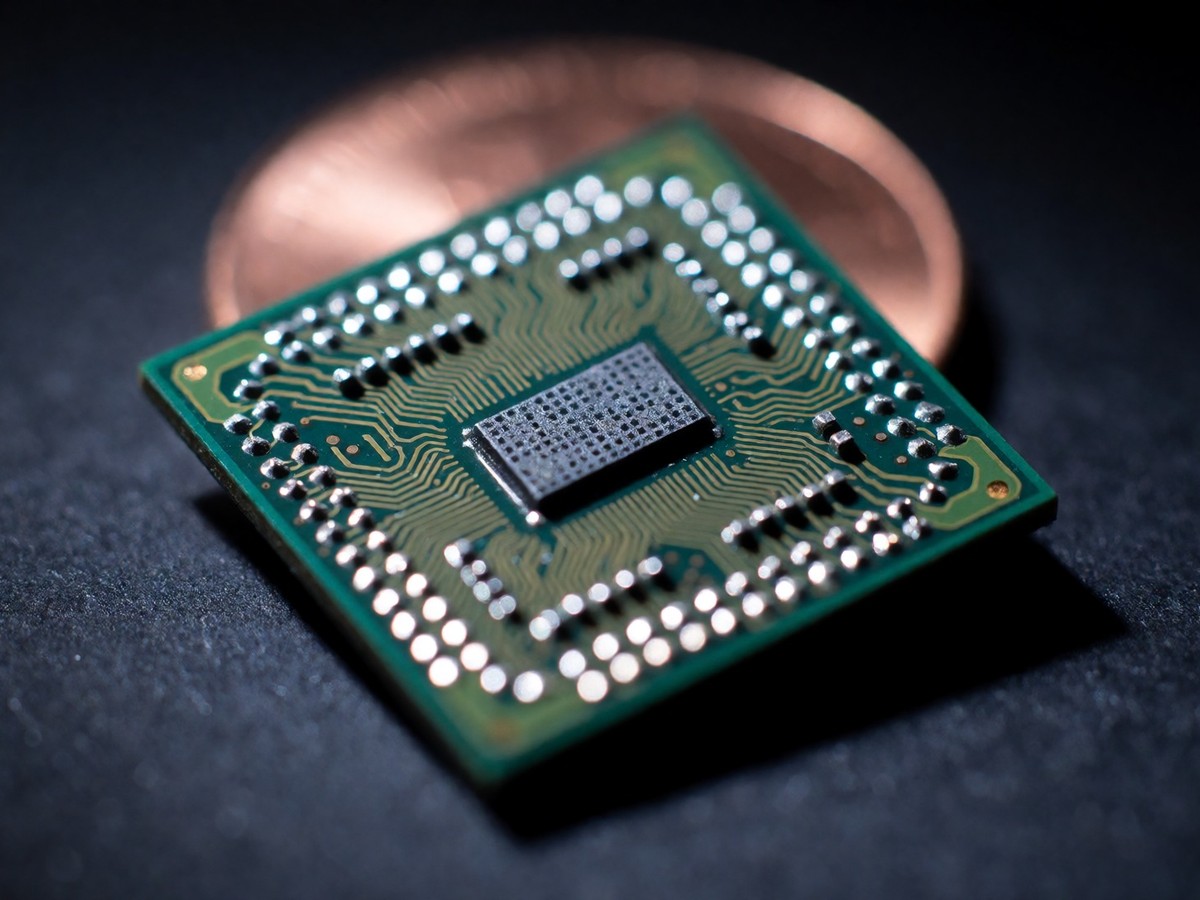
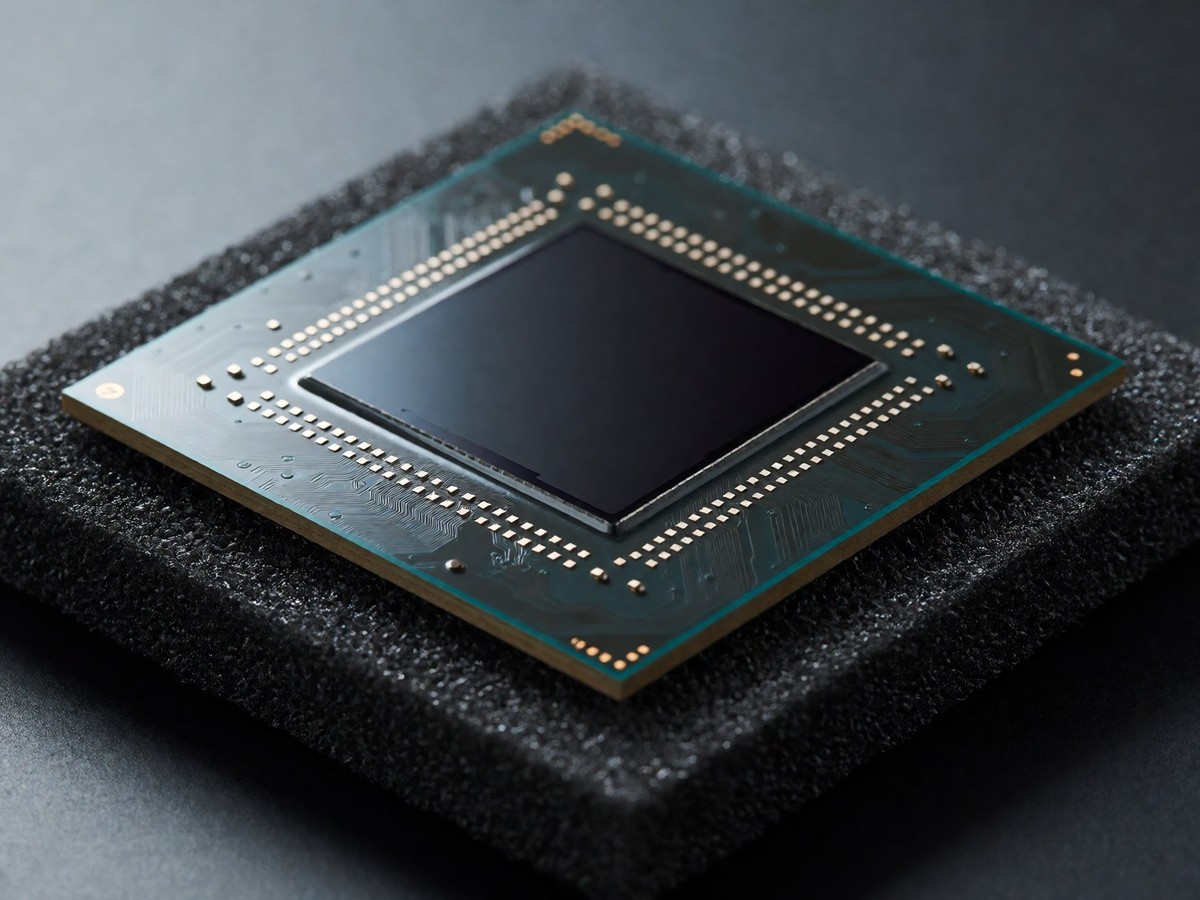
Positron, a stealth hardware startup, closed a $230 million Series B funding round to accelerate the development of its AI accelerator chips. Sequoia Capital and Andreessen Horowitz led this round to challenge Nvidia’s command of the high-performance computing space. The company will use this capital for R&D, tape-outs of first-generation accelerators, and scaling the engineering team with expertise in hardware design. Positron also intends to build software tooling and compiler support for AI workloads to ensure high performance. The current demand for AI acceleration, driven by large language models and foundation models, makes this a massive market opportunity. Developers need alternatives to the single-supplier compute stacks that currently control the industry. This funding enables the company to focus on delivering throughput competitive with high-end GPUs while reducing power consumption per compute unit.
Photonic processing versus traditional architectures
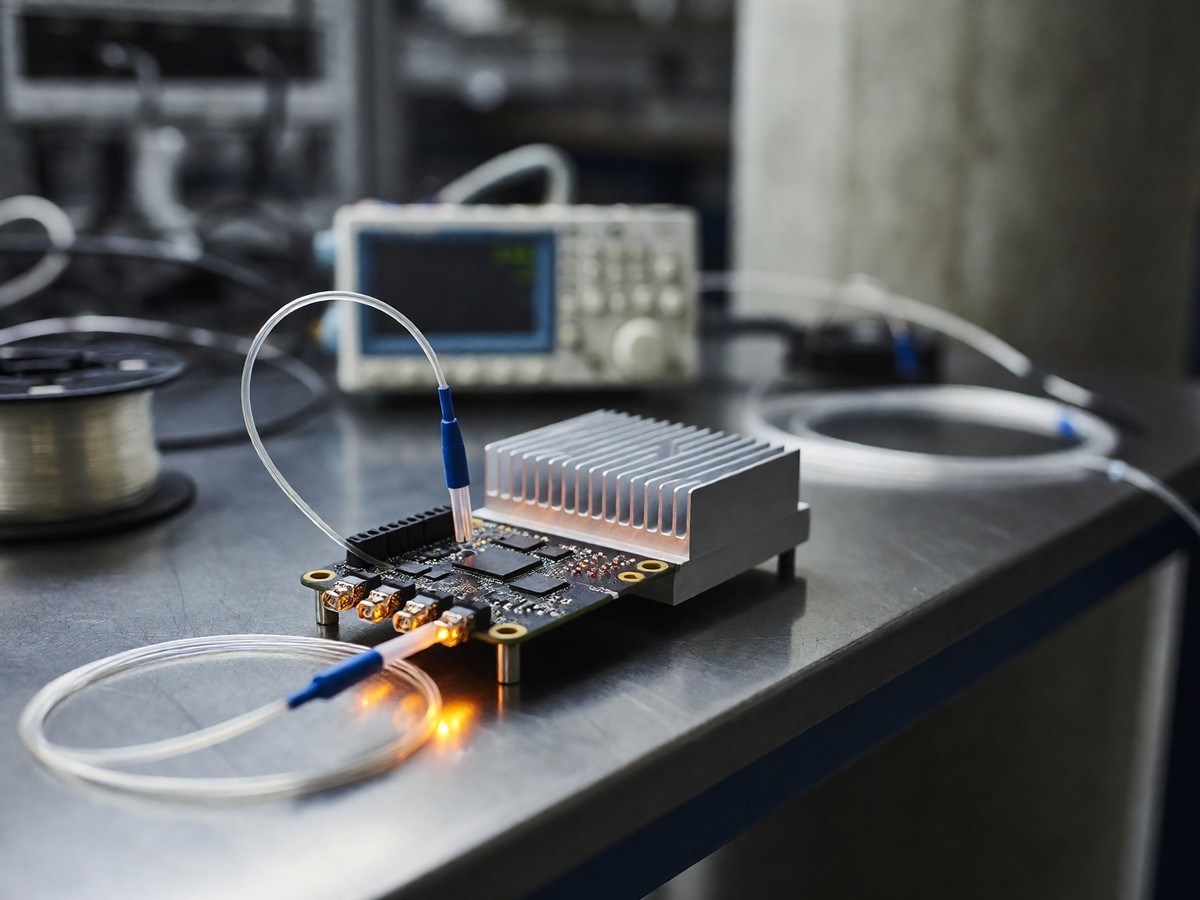
Photonic chips process information using light instead of electrons, providing near-zero latency and lower power consumption. Because light travels at 186,000 miles per second, these chips can reduce processing lag significantly. In VR applications, where motion-to-photon latency must stay below 7ms to prevent nausea, photonic chips could drop latency below 3ms. Photonic processors also manage terabits of data per second to support 120Hz+ frame rates. This capability addresses the rendering limitations seen in current GPUs. For example, an NVIDIA RTX 4090 consumes up to 450W of power, which creates heat issues for compact devices. MIT research from 2022 indicates that photonic chips could accelerate AI and VR applications by 1000x. The Wuxi-based institute CHIPX and Turing Quantum recently developed a photonic quantum chip that provides computing power support exceeding the limit of classical computers. This chip won the Leading Technology Award at the 2025 World Internet Conference Wuzhen Summit.
| Feature | Photonic Chips | Traditional GPUs |
|---|---|---|
| Processing Medium | Light | Electrons |
| Typical VR Latency | Below 3ms | ~20ms |
| Data Handling | Terabits per second | Sequential processing |
| Power Profile | Low power requirements | High power (e.g., 450W for RTX 4090) |
Software integration and the hardware reality
Building a successful AI hardware ecosystem requires deep integration of hardware and software from day one. Positron follows a playbook of developing purpose-built accelerators optimized for the varied demands of modern AI applications, ranging from massive model training to real-time inference. This approach avoids the need to retrofit existing silicon architectures. However, the industry faces significant hurdles because Nvidia’s software, libraries, and developer adoption remain entrenched. Currently, many researchers rely on NVIDIA’s CUDA and OptiX for specialized tasks. One tool, Simphony, uses NVIDIA OptiX to implement a GPU version of the Geant4 G4OpWLS wavelength-shifting model. During validation against a 14.7 kt liquid argon Time Projection Chamber benchmark, Simphony transported 243 million optical photons on an NVIDIA RTX 4090 in 3.03 seconds. For three paired 2.5 GeV electron simulations, the integrated detected-photon ratio agreed with Geant4 at the subpercent level, while the detected arrival time and wavelength spectra gave kh2/ndf values of 0.98 and 1.08. If you are planning to switch to new hardware, you must account for the fact that the current ecosystem favors NVIDIA’s established libraries.
NVIDIA’s high-performance computing space relies on architectures like the Jetson AGX Orin, which provides 1200 TFLOPS of AI performance with a 12-core Arm Neoverse-V3AE CPU and 64GB of LPDDR5 memory. The Jetson AGX Orin also includes 1536-core Blackwell architecture GPUs with 64 5th GEN Tensor cores. Can Positron’s new architecture reach these performance levels while maintaining lower power?