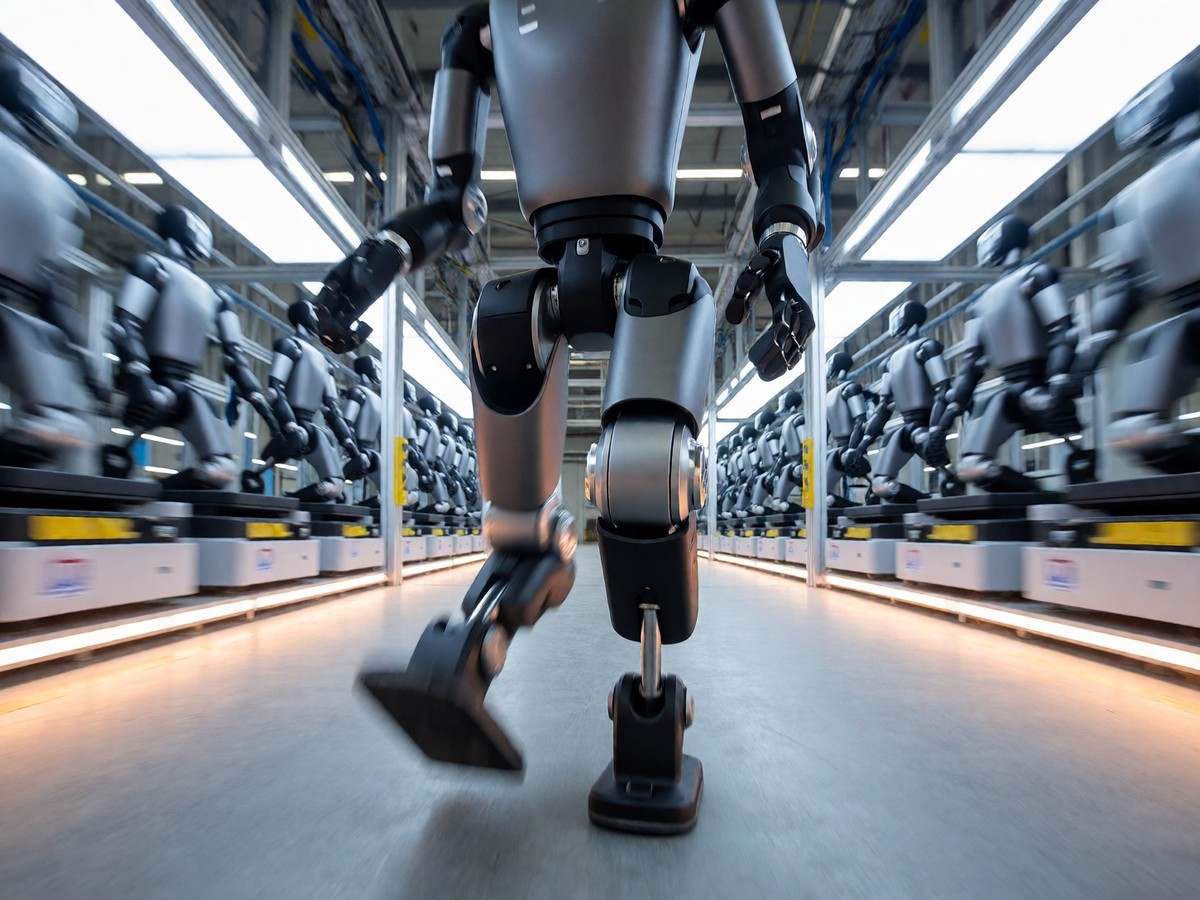
Figure AI increased its production of Figure 3 robots 24x in under 120 days. The company transitioned its BotQ facility from a prototype shop to a factory that produces one robot every hour. This facility has delivered over 350 third-generation humanoid robots. The production process includes 50 inspection points to ensure reliability, and Figure reports an end-of-line yield above 80% and a battery production first-pass yield of 99.3%. The Figure 3 model costs 90% less to manufacture than earlier prototypes. The company plans to ship 100,000 units over four years, starting with logistics, manufacturing, and healthcare. These robots use the Helix System 0 model to manage full-body movement through camera-based perception. This allows them to navigate stairs and uneven surfaces using reinforcement learning. The team uses 150 workstations to power this custom manufacturing system. Every unit undergoes 80 functional tests, including thousands of squats and jogging sessions, to catch mechanical hiccups. In logistics pilots, these robots handle a package every 3.5 seconds using neural networks to manage complex shapes. Founder Brett Adcock, who previously led Archer Aviation and Vettery, invested significant personal money into the firm. Figure has raised $2.34 billion to date, including a $1.5 billion Series C in early 2025. Backers include Microsoft, OpenAI, Nvidia, and Jeff Bezos. The company holds a $2.6 billion valuation. Every robot carries an eSIM and a phone number to allow for voice or text commands. The machines avoid anthropomorphic gimmicks like screens with facial features or cartoonish expressions.
The economic impact of automation on reshoring
US manufacturing reshoring faces a labor reality. A US manufacturing worker carries $60,000 to $80,000 in annual compensation costs. Figure and other manufacturers target humanoid robots with prices under $100,000 per unit. These machines work longer hours than humans and require no healthcare or retirement accounts. In 2026, 66% of manufacturers surveyed struggled to hire technicians. While tariffs aim to bring jobs back, automation changes the outcome. The current economic arithmetic suggests that a humanoid robot priced at $90,000, amortized over five years and operating across two shifts, costs roughly equivalent to six months of human labor. Machines can lower production costs in the US, which may keep inflation low even if unemployment remains unchanged. You should watch how these price points impact the viability of domestic supply chains. In 2025, 29 percent of OEMs successfully reshored their production, but 94 percent of contract manufacturers still lost orders to price. Within a survey of 249 manufacturers, 32% of contract manufacturers reported new reshoring projects. The shift to robots allows companies to produce goods in the US at prices competitive with manufacturing in China. This creates a manufacturing paradox where domestic production returns, but the expected jobs do not.
Hardware supply chains and global competition
China dominates the humanoid hardware ecosystem. A report from Smart Analytics Global found that Chinese suppliers control the market for motors and reducers. Unitree shipped 5,500 units in 2025, while AgiBot shipped 5,168 units. Western manufacturers face supply chain vulnerabilities regarding actuators and precision gears. US-China tensions and the ban on certain foreign-made imports create pressure to diversify. Does a domestic supply chain exist to replace Chinese components at scale? Tesla is targeting a commercial price point of $20,000 to $30,000 for Optimus Gen 2. Unitree G1 models start at $13,500. Boston Dynamics Atlas carries an estimated cost between $150,000 and $250,000. Agility Robotics’ Digit is in use inside Amazon fulfillment centers. J.P. Morgan predicts US humanoid production will hit 300,000 to 400,000 units by 2030. Industry data from Interact Analysis shows that while global production exceeded 20,000 units in 2025, only around 10% of units were deployed in real-world applications. China also manages 64 data-collection centers to gather training data. Toyota runs wheeled humanoids at a plant in North America. The industry requires specialized parts like permanent magnets, precision gears, and bearings. China’s supply chain grew because Beijing set a national goal in its five-year plans to lead in robotics. This growth helped establish the market that makes manufacturing worthwhile.