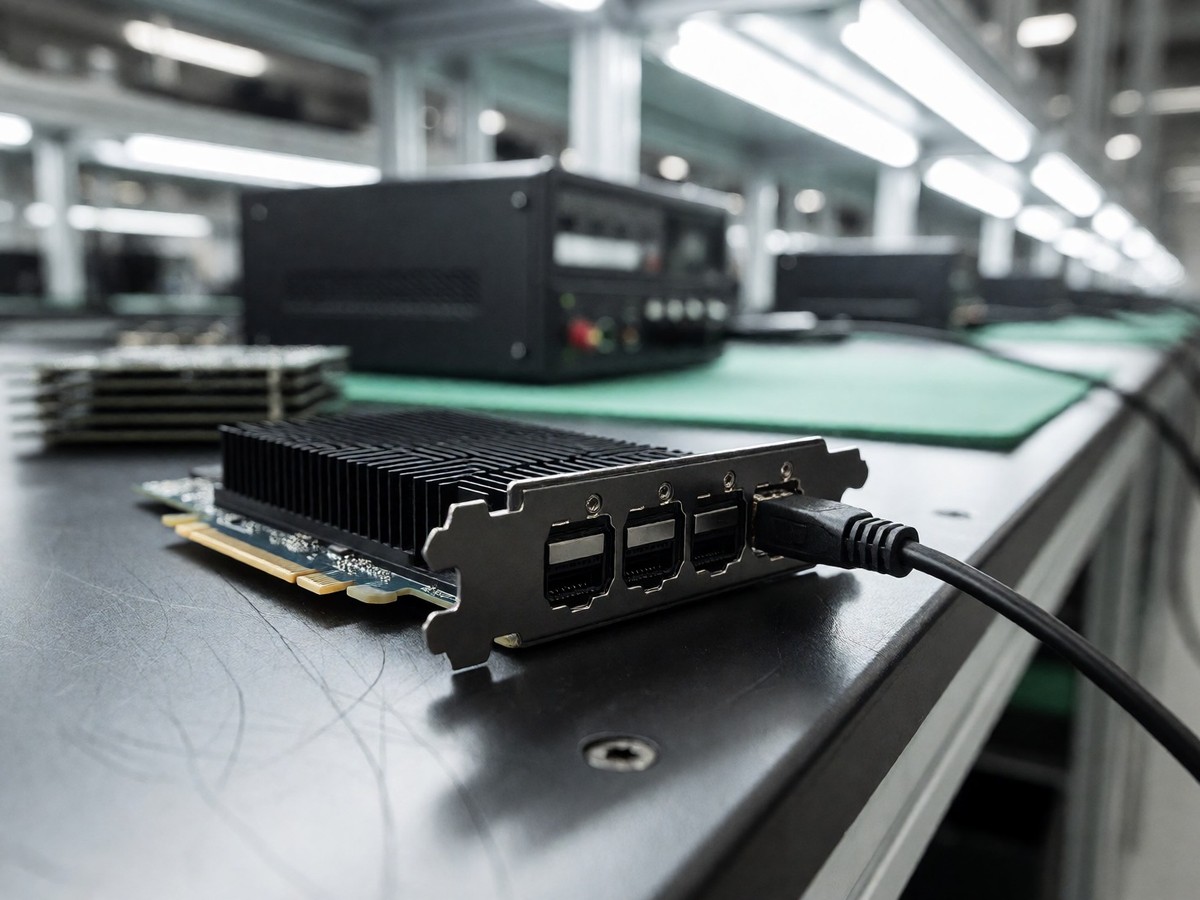
Crusoe holds 4.9 gigawatts of contracted AI infrastructure capacity. The company development pipeline exceeds 40 gigawatts. A $3.9 billion Series F funding round, led by Atreides Management, Mubadala Capital, and Valor Equity Partners, set the company valuation at $30.9 billion. This capital supports the rollout of Spark, which are truck-transportable modular AI factories. Crusoe manufactures long-lead electrical components at its own facilities in Colorado, Oklahoma, and Louisiana to reduce project timelines. The company serves clients including Meta, Microsoft, and Oracle. Nvidia and Founders Fund participated in the recent funding round. The company also added Thomas Seifert from Cloudflare and JB Straubel from Redwood Materials to its board. These new members join a leadership team that manages a business model involving leasing space, renting GPUs, and selling inference compute. The company previously operated as a Bitcoin mining business before divesting that unit to NYDIG. This shift moved the company toward large-scale AI data centers. Its contracted portfolio spans five AI data center campuses in the United States, including two large-scale sites in Texas and one in Missouri. This scale positions the company as a major player in the race to build compute capacity for the world’s largest technology firms.
Texas campuses and energy strategy
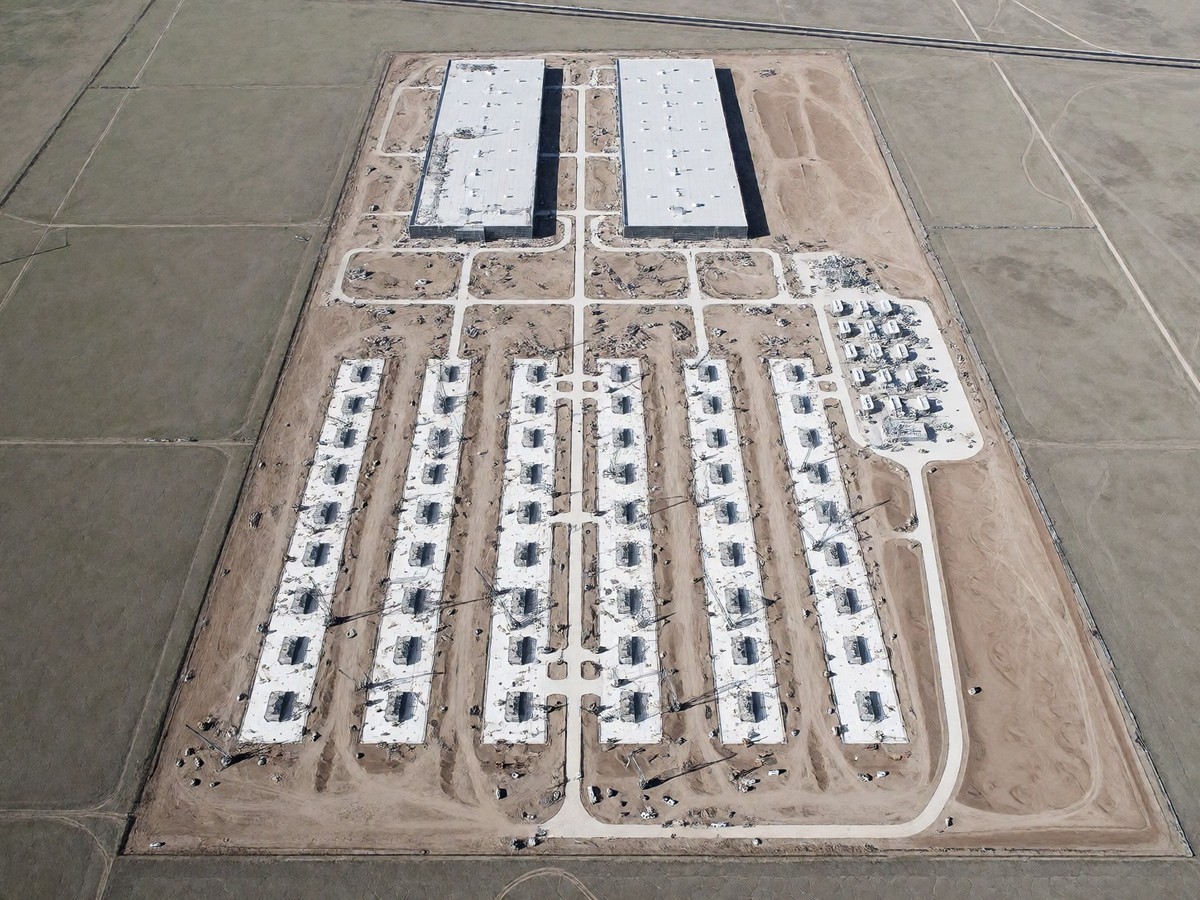
The Abilene, Texas, facility provides a template for the company’s scale. Crusoe built a 1.2 gigawatt campus for Oracle. Two buildings at that campus currently operate, while six additional buildings undergo active construction. A second 900-megawatt facility in Abilene serves Microsoft. Microsoft signed as a tenant on March 27, 2026. This project uses dedicated 900 megawatt on-site power and medium-voltage battery storage. The two buildings at this site provide 336 megawatt of critical IT capacity each. These facilities utilize closed-loop non-evaporative liquid cooling.
| Feature | Microsoft Abilene (Crusoe) Facility |
|---|---|
| Location | Abilene, Taylor County |
| Capacity | 900 MW |
| Status | Under Construction |
| Workload | AI Training and Inference |
| Hardware | Nvidia next-generation chips |
| First Building Availability | mid-2027 |
Crusoe captures stranded gas from oil fields in the Permian Basin and North Dakota. The company pipes this gas into generators to create electricity for H100 GPU racks. This method avoids the gas flaring that companies in these regions perform. You should know that this approach turns waste into compute. The company also entered a $3.4 billion joint venture with Lancium. A separate power agreement with Bergen Engines provides approximately 750 megawatts for AI data centers in the United States. Crusoe also manages energy through wind farms and grid interconnections. The company builds 200-megawatt campuses behind the meter at nuclear and wind sites to avoid grid congestion. Beyond Abilene, the company manages other large-scale Microsoft projects. The Microsoft Pecos facility in Reeves County has an announced capacity of 2,000 megawatts. The Microsoft Castroville site remains operational or under construction.
CoreWeave and market demand
CoreWeave manages a relationship with OpenAI worth up to $22.4 billion. This agreement includes a $6.5 billion expansion announced in September 2025. Earlier agreements in March 2025 and May 2025 added $11.9 billion and $4 billion to the contract value. CoreWeave also acquired OpenPipe and Weights & Biases to expand its technology stack. A £1.5 billion commitment was also announced to power growth for UK AI. CoreWeave serves as the essential infrastructure platform for the most demanding training and inference workloads in the AI industry.
The company faces significant risks regarding fuel availability, grid interconnection, and environmental review that could slow its delivery of the 40 gigawatts promised in its development pipeline. This reality exists because building massive campuses requires managing fuel logistics and local opposition. Can Crusoe maintain its current momentum as it scales from small flares to 200-megawatt campuses? The most impressive aspect is the deployment of infrastructure directly to the energy source.