Hardware requirements for FSD v13
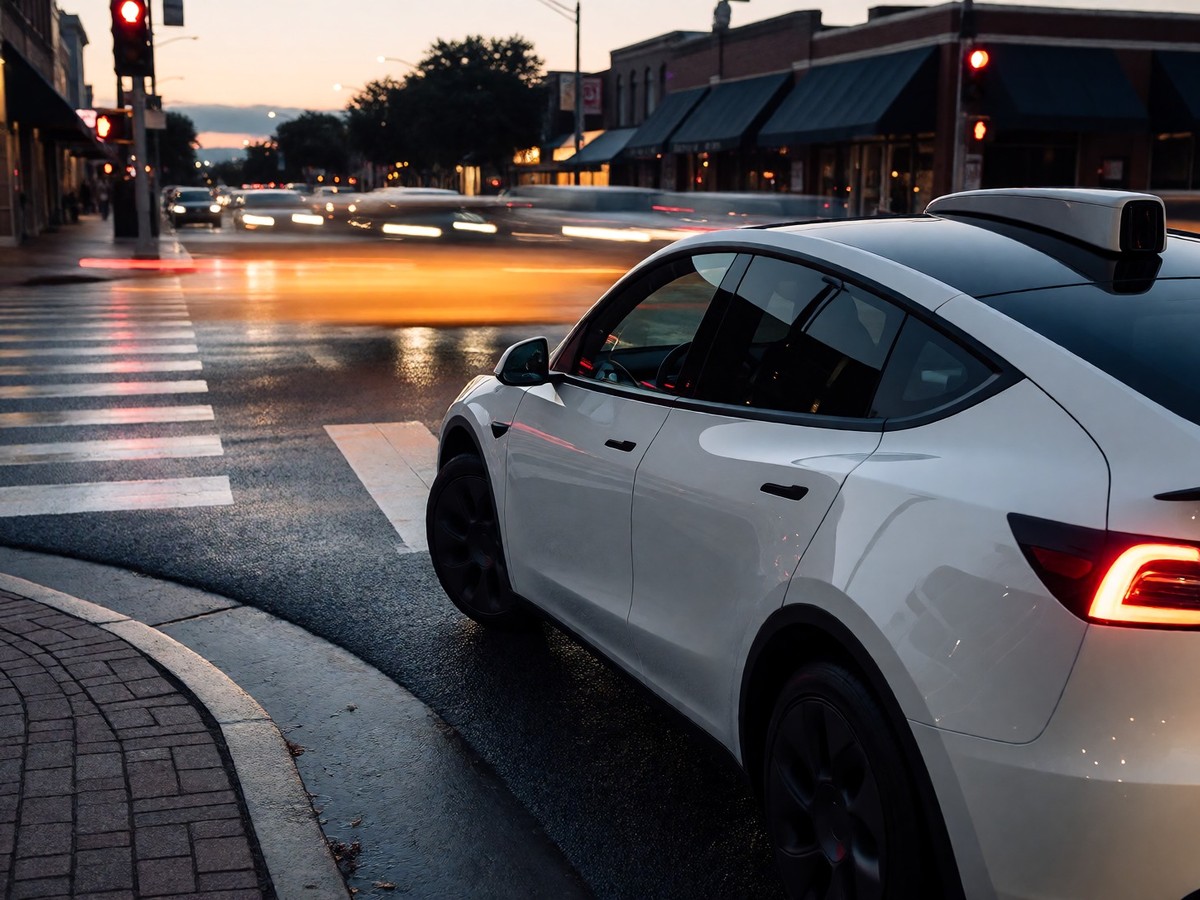
Tesla started the FSD v13 rollout to early access non-employees on Saturday. The FSD v13 rollout excludes many existing owners because the software requires Hardware 4 processing power. This version, specifically FSD v13.2, targets select retail investors and social media influencers. The software requires Hardware 4 (HW4/AI4) vehicles because the Cortex GPU cluster at Giga Texas only processes high-resolution 36 Hz video data from those specific models. Hardware 3 (HW3) cars produce lower resolution and frequency video data, which prevents them from using the scaled-up features in FSD v13. Tesla promises a free retrofit for HW3 vehicles if the company cannot scale the software down without losing functionality. FSD v13.2.1 is now going wide to most HW4 vehicles in the U.S. and Canada. This release contains the Cybertruck and provides expanded capabilities. The update includes speed profiles for both City Streets and Highways and provides integrated unpark, reverse, and park capabilities. The FSD v13.2 update provides a 4.2x increase in data scaling and a 5x increase in training compute scaling through the Cortex cluster at Giga Texas, which currently only processes high-resolution 36 Hz video from AI4 vehicles. You might notice that this rollout also includes improved reward predictions for collision avoidance and dynamic routing around road closures. Beyond FSD, the 2026.2.3 update introduced a child left-alone warning that flashes exterior lights and plays an alert tone. It also allows users to unlatch the charge cable by holding the rear left door handle for 3 seconds. The Spring 2026 update added a "Hey Grok" hands-free wake word and renamed Dog Mode to Pet Mode.
Waymo and the LiDAR debate
Waymo uses LiDAR, camera, and radar to build 3D representations of the environment. Srikanth Thirumalai, the VP of onboard engineering at Waymo, says this sensor combination provides a safety net during extreme weather. In a demonstration, Waymo’s LiDAR sensors detected humans preparing to jump into the road even when the cameras failed to see them. Tesla relies on video cameras and neural networks for its driving systems. Elon Musk called LiDAR a "fool’s errand" in 2019, claiming that anyone relying on the technology is doomed. Tesla reported 7,000 driverless miles in July, while Waymo has completed over 100 million driverless miles across five cities. Waymo has scaled its operations to five cities by mid-2025. Waymo is experimenting with a generative AI model called EMMA, but Thirumalai says EMMA has challenges because it does not incorporate LiDAR or radar. Waymo researchers published papers on how multimodal models like Gemini can be incorporated into the tech stack. The EMMA research focuses on an end-to-end multimodal model for autonomous driving, yet it remains expensive and can only process a small number of image frames.
| Feature | Tesla FSD v13 (AI4) | Waymo Robotaxi |
|---|---|---|
| Primary Sensors | Video Cameras | LiDAR, Camera, Radar |
| Data Scaling | 4.2x | N/A |
| Training Compute | 5x increase | N/A |
| Driverless Miles | 7,000 (July) | 100 million+ |
Safety records and driver behavior
FSD Beta increases the workload for drivers because they must supervise the unfinished automated system. A study in the journal Frontiers found that many Autopilot users become complacent, leading to risky behaviors such as eating or using phones while the vehicle drives. One TikToker even posted a video of herself eating a meal while her hands remained off the wheel during Autopilot use. France’s General Directorate for Competition Policy warned Tesla about advertisements that suggest a "hands-free" experience. A jury also ordered Tesla to pay $243 million after a 2019 fatal crash involving a Model S. Tesla’s Robotaxi service in Austin remains an invite-only program for a select group of people. The mismatch between marketing and reality creates legal risk for the manufacturer. Drivers often find that FSD increases their cognitive load because they must constantly prepare to take control when the system does the wrong thing at the worst time. Do these safety concerns regarding driver complacency indicate that vision-only systems lack the necessary redundancy for true autonomy?