The TCP Architecture and RNGD Specs
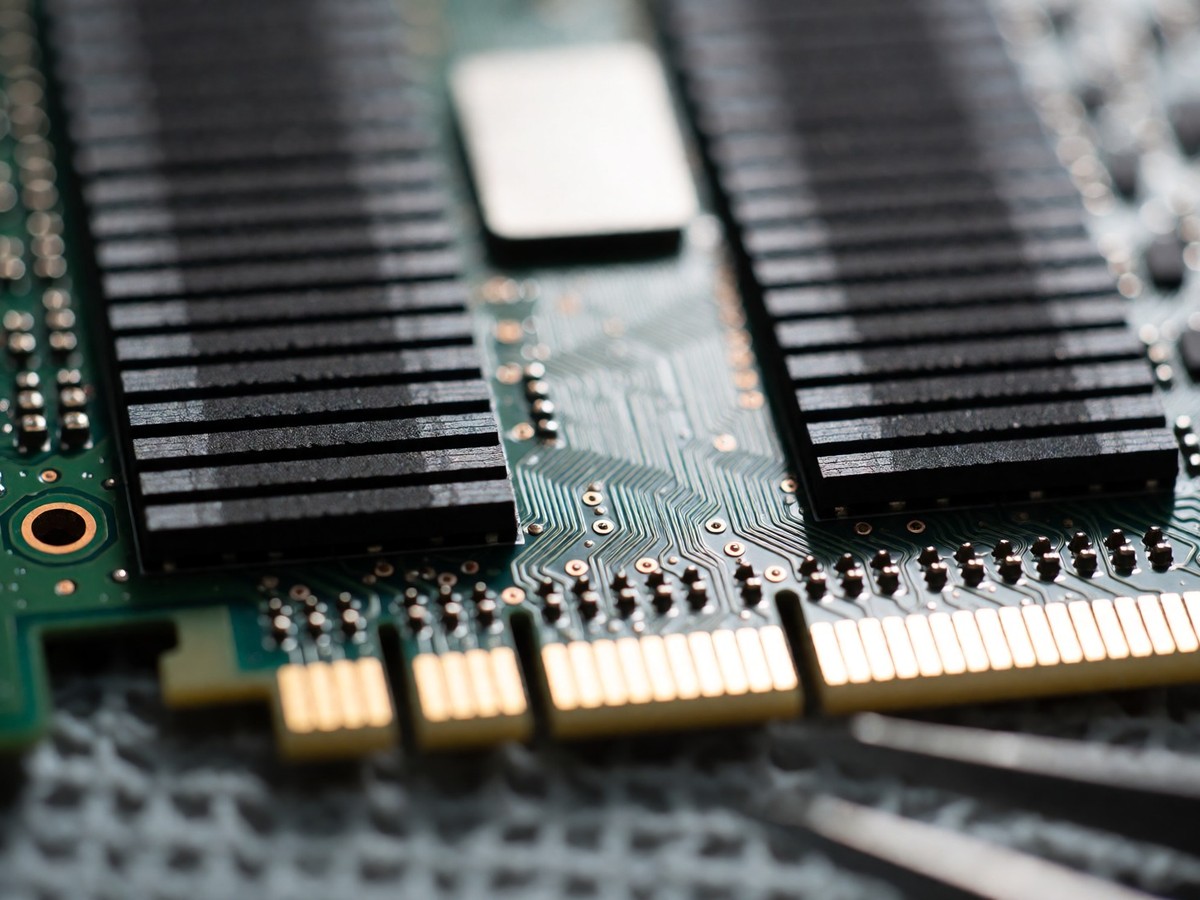
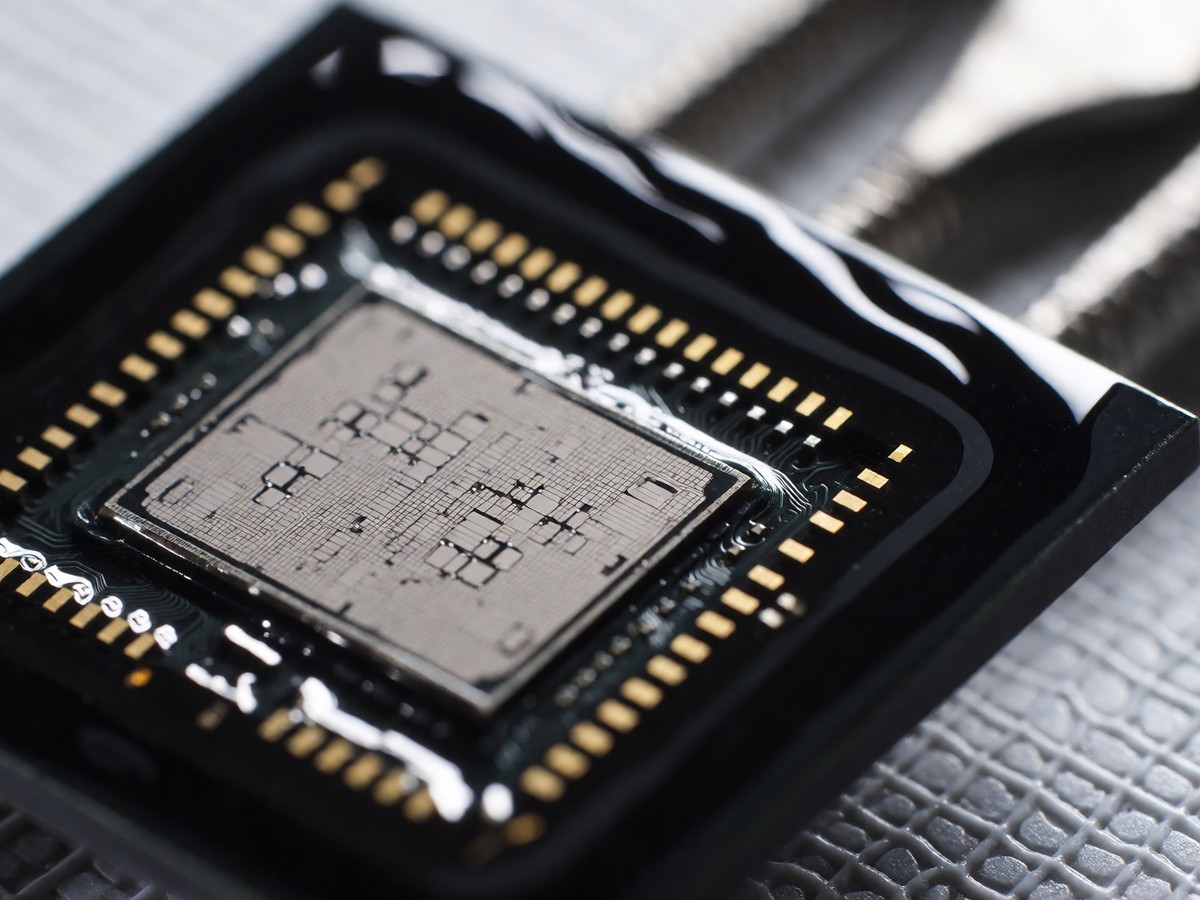
The RNGD chip uses a Tensor Contraction Processor architecture to handle deep learning inference. Most AI accelerators break model operations into fixed 2D matrix multiplications, but this architecture treats tensor contraction as the primary unit of work. The TCP includes 8 processing elements with 64 slices each and 256 MB of on-chip SRAM. This design connects more matrices and makes the tensor core the primary element for the inference algorithm. FuriosaAI fabricated the chip on TSMC 5nm process and runs it at a 1.0 GHz clock frequency. The hardware handles BF16 at 256 TFLOPS, FP8 at 512 TFLOPS, INT8 at 512 TOPS, and INT4 at 1024 TOPS. The RNGD follows the first-generation Warboy chip, which focused on computer vision for object detection and motion tracking.
| Specification | Detail |
|---|---|
| Process Node | TSMC 5nm |
| Clock Frequency | 1.0 GHz |
| BF16 Throughput | 256 TFLOPS |
| FP8 Throughput | 512 TFLOPS |
| INT8 Throughput | 512 TOPS |
| INT4 Throughput | 1024 TOPS |
| Memory Type | HBM3 |
| Memory Bandwidth | 1.5 TB/s |
| Memory Capacity | 48 GB |
| On-Chip SRAM | 256 MB |
| Interconnect | PCIe Gen5 x16 |
| TDP | 180W |
| Cooling | Passive |
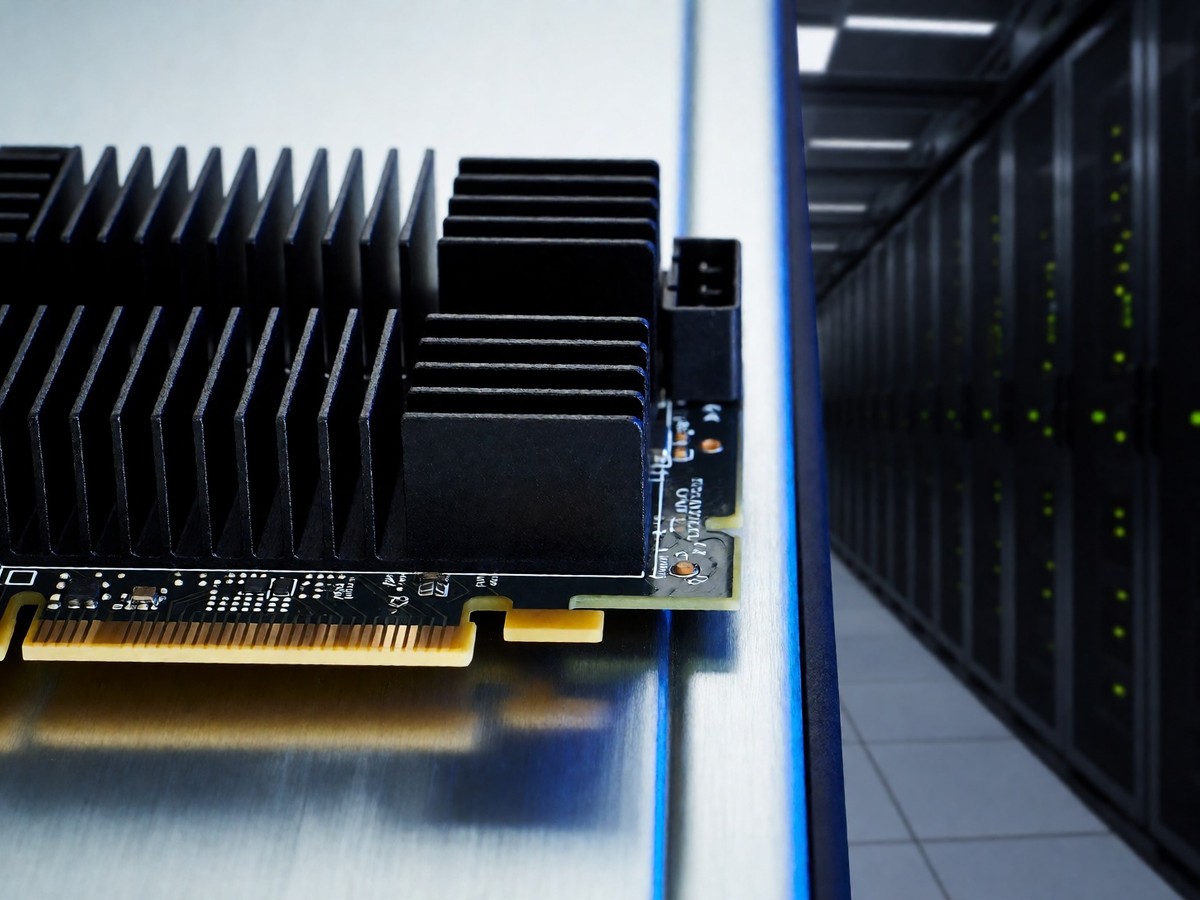
The chip includes 48 GB of HBM3 memory and 256 MB of on-chip SRAM. It connects to the host via PCIe Gen5 x16 and uses a 12VHPWR connector. This PCIe card fits the dual-slot, full-height, 3/4 length form factor.
Power and Scaling Efficiency
The RNGD card draws 180W of TDP and requires passive air cooling. This draw is much lower than the 350W TDP seen in competitive GPUs in the same class. I find this efficiency focus more practical than chasing raw peak throughput. LG AI Research found that the RNGD delivers 2.25x better LLM inference performance per watt than GPUs. The card fits into standard racks because it uses a dual-slot, full-height, 3/4 length form factor. You should know that this hardware depends entirely on the Furiosa SDK and compiler to map models onto the silicon. The system also supports Single Root I/O Virtualization (SR-IOV) to partition the chip into 2, 4, or 8 independent NPU instances. Each virtual instance uses its own dedicated compute cores and private memory bandwidth to maintain deterministic latency.
The RNGD card delivers 512 TFLOPS of FP8 performance and 1.5 terabytes per second of memory bandwidth while operating under a 180 watt thermal design power that allows for passive air cooling in standard data center racks. The NXT RNGD Server integrates eight of these cards into a 4U rack-scale appliance. This server uses two AMD EPYC 9354 CPUs, 1 TB of DDR5 memory, and 2x 25 GbE dual-port NICs. The server consumes 3,000 W of power and delivers up to 20 petaflops of inference performance per rack. The full server system includes 384 GB of total HBM3 capacity and 12 TB/s of aggregate bandwidth.
Production and Deployment Reality
FuriosaAI began mass production of the RNGD in January 2026 and expects to produce 20,000 units this year, with a plan to reach 40,000 units in 2027. Samsung SDS uses the RNGD for its NPU-based infrastructure-as-a-service starting in July, and LG Group uses the chips for EXAONE deployments. LG Uplus also uses the technology, and Upstage uses the hardware to serve live search summarization to millions of users. I find the reliance on a proprietary compiler a hurdle for developers accustomed to the NVIDIA ecosystem. The card only runs models that the Furiosa SDK supports, which means developers cannot use every model found on Hugging Face. The hardware works with PyTorch 2.0 through torch.compile and supports the Llama stack.
The company raised $620 million in its Series D round to expand production, which brings its post-money valuation to $2.9 billion. Investors include the National Growth Fund of Korea, Infinitum, Jericho Capital, QUDA Capital, Cisco Investments, and the Export-Import Bank of Korea. Existing shareholders such as KDB Capital, Nextrans, and Kakao Investment also contributed to the round. The company is also working with Broadcom on a third-generation accelerator for frontier models. The RNGD card is a specialized alternative to the NVIDIA RTX Pro 6000, which delivers twice the memory and compute but draws more than three times the power. How will the company scale this to meet the demands of models with trillions of parameters?