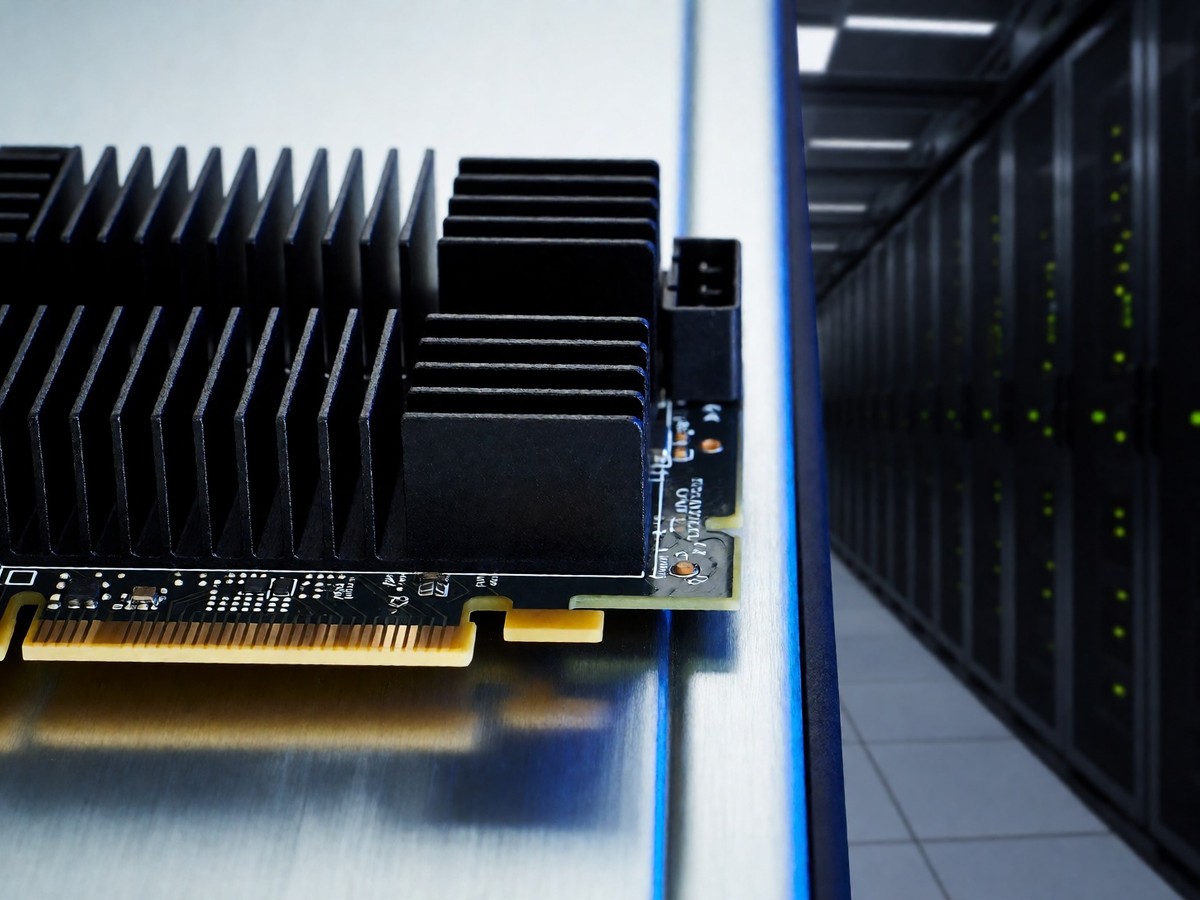
Neuchips delivered 1.7x better perf-per-watt for inference DLRM during MLPerf v3.0 testing. The RecAccel N3000 system maintained 99.9% accuracy by using its INT8 calibrator. Testing took place on a GIGABYTE G482-Z54 server using AMD EPYC 7452 32-core CPUs and eight RecAccel N3000-32G-PCIe cards. The system achieved nearly 100% scaling across each individual card. For those already managing data center workloads, the specific efficiency gains in recommendation models provide a clear metric for hardware replacement.
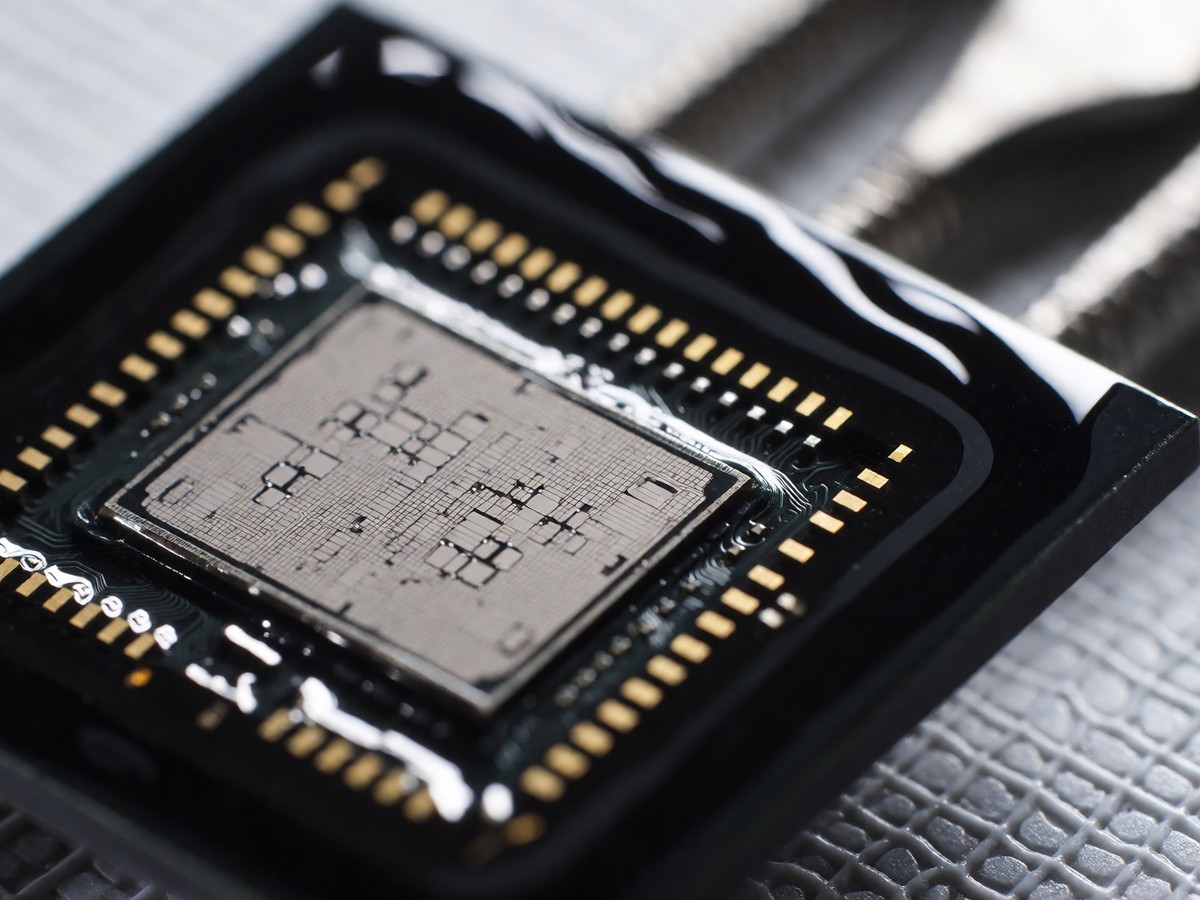
The RecAccel N3000 architecture targets deep learning recommendation workloads. Neuchips, a company founded in 2019 by IC and SW design experts, designed the chip as an AI ASIC platform. The RecAccel Quad-N3000 PCIe card expects to increase perf-per-watt by 2.2x and offers the lowest total cost of ownership. While Neuchips claims leadership in energy efficiency, Nvidia H100 remains the winner for the offline scenario in terms of perf-per-watt. Neuchips achieved double the performance per Watt of eight Nvidia A100s in server mode for DLRM 99.9%. It also hit 1.67x the performance per Watt of eight Nvidia H100s in server mode.
| Component | Specification / Result |
|---|---|
| Target Workload | DLRM inference |
| Accuracy | 99.9% |
| Calibration | INT8 |
| Card Scaling | Nearly 100% |
| PCIe Card Efficiency | 2.2x perf-per-watt increase |
| Server Mode Performance | 1.67x Nvidia H100 perf-per-watt |
Efficiency and deployment constraints
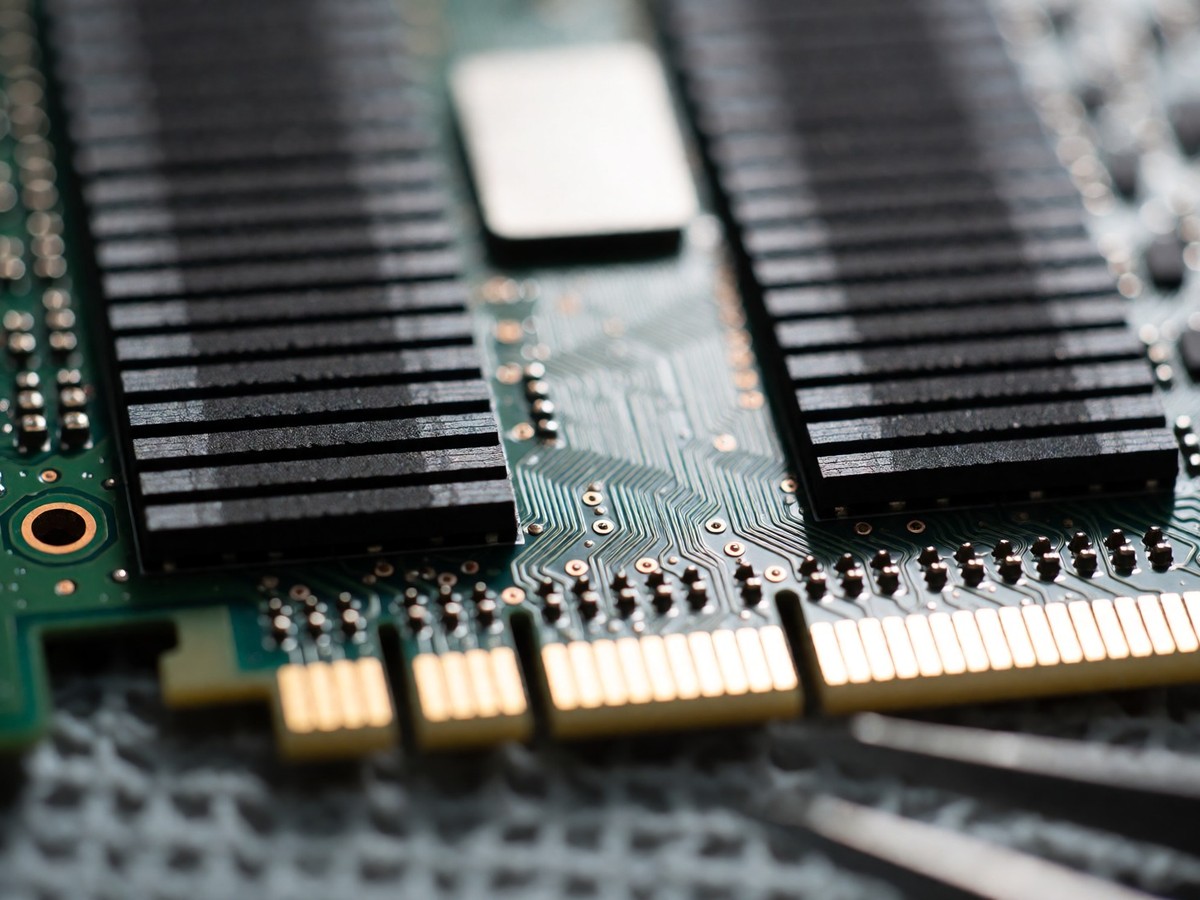
Neuchips CEO Youn-Long Lin stated that application-specific chip design provides the best efficiency in QPS/Watt. He noted that server mode provides a more realistic scenario for recommendation workloads than offline mode. The company provides RecAccel chips on PCIe cards and a dual M.2 module sampling at the end of the quarter. Neuchips also develops the Viper product, which provides data center class AI acceleration in a compact housing. The company plans to present the Viper product in the second half of 2024.
The company aims to help enterprises use large language models with lower costs. The Raptor Gen AI chip uses compression and efficiency optimizations to provide performance for AI. Neuchips also provides LLM solutions for Evo PCIe accelerator cards to reduce hardware costs and power consumption. The Evo Gen 5 card provides scalability to increase performance. Neuchips offers a free trial program for enterprises that want to test performance. Do companies prioritize the power savings of the RecAccel N3000 over the offline performance advantages held by Nvidia?
The hardware scaling depends on the specific deployment environment. Neuchips achieves high throughput on a per-chip basis compared to Intel Sapphire Rapids CPUs. Specifically, the DLRM performance scores achieved almost double the throughput on a per-chip basis against those CPUs. The RecAccel N3000 system handles complex data sets via high-performance computing products. Neuchips management and R&D teams hold patents in neural networks, signal processing, and circuit design.
Comparison with existing AI accelerators
Nvidia H100 remains a dominant force in the data center. In the offline scenario, Nvidia GPUs perform 1.5 to 1.75x better with a similar power budget than Neuchips. Neuchips performance excels in server mode, which mimics requests coming in from a host over a network. Neuchips focuses on the design of recommendation systems. The company provides an ASIC solution for deep learning recommendation.
Other companies target similar markets with different approaches. Qualcomm produces the Cloud AI100, which beat Nvidia H100 power efficiency scores on several metrics. BrainChip produces the Akida neural networking processor in an M.2 form factor. The Akida processor uses neuromorphic principles to mimic the human brain. The Akida Pico NPU consumes less than a milliwatt and occupies 0.12 mm2 when using GlobalFoundries 22FDX 22nm-class technology. If Neuchips scales its RecAccel technology to even smaller form factors, can it compete with the milliwatt-scale efficiency of neuromorphic chips?
The industry standard for testing these systems is MLPerf. MLPerf Inference measures machine learning models, software, and hardware. The benchmark suite includes four scenarios: single-stream, multistream, server, and offline. Neuchips demonstrated its capabilities in the server mode of MLPerf v3.0. The company works with the cloud ecosystem to support industry sustainability initiatives. Neuchips provides solutions for cloud service providers to use on existing and future data center platforms.