d-Matrix moves its Corsair inference accelerator platform into full production to satisfy the massive surge in demand from hyperscalers and frontier AI labs. The Santa Clara, California-based company closed a $275 million Series C funding round in November 2025, which brought its total raised capital to $450 million and established a $2 billion valuation. The funding round, co-led by a global consortium including BullhoundCapital, Triatomic Capital, and Temasek, includes participation from the Qatar Investment Authority and EDBI, alongside follow-on support from Microsoft’s venture fund, M12. Nautilus Venture Partners, Industry Ventures, and Mirae Asset also participate in the round. The platform delivers 30,000 tokens per second with a 2ms per token latency when running a Llama 70B model. This high performance helps address the needs of agentic AI tools like Claude Code and OpenClaw, which emerged in late 2025. CEO Sid Sheth and CTO Sudeep Bhoja founded the company six years ago, predicting that trained models would eventually require continuous, large-scale inference infrastructure. The platform targets hyperscale, enterprise, and sovereign customers looking for ways to handle 100B-parameter models in a single rack. While the company promises these performance gains, the industry grapples with massive energy requirements of existing GPU-only infrastructure.
Architecture and supply chain efficiency
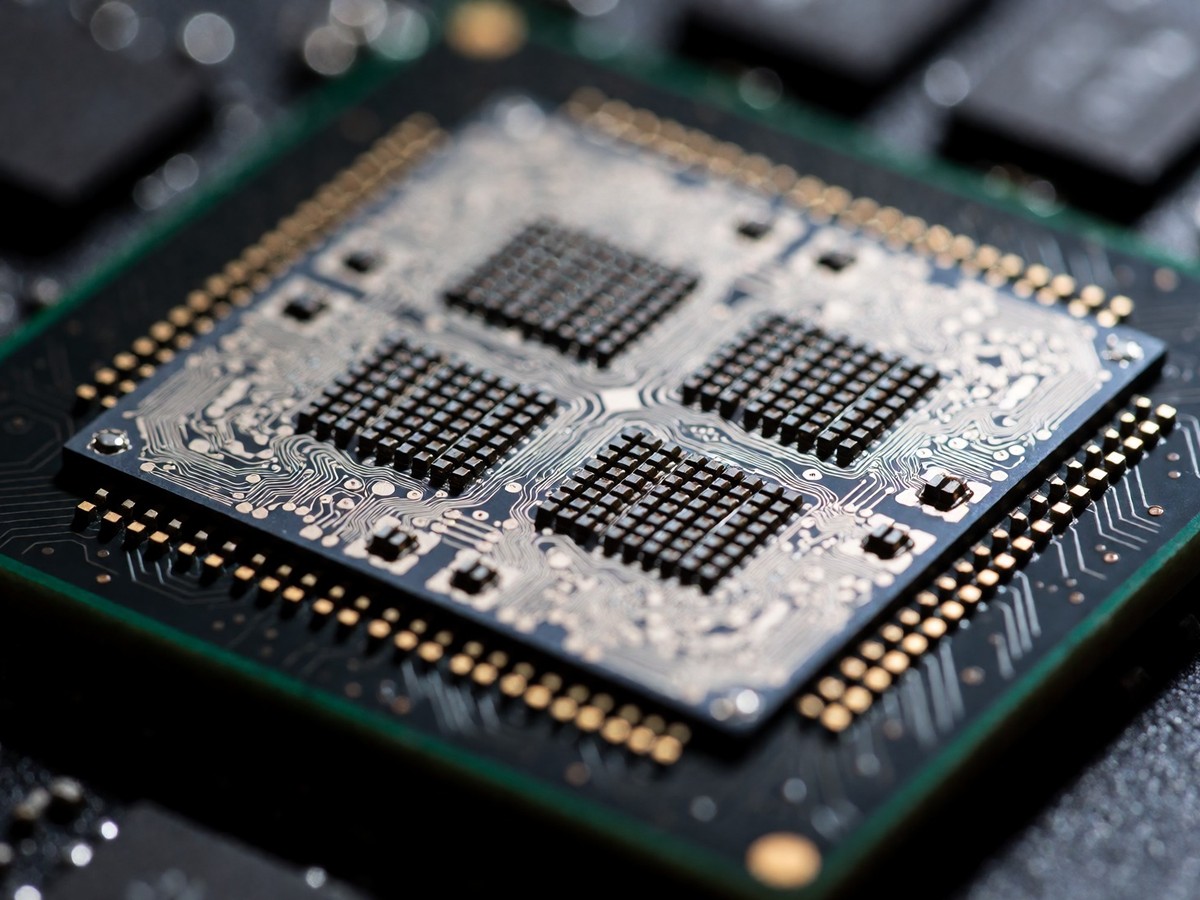
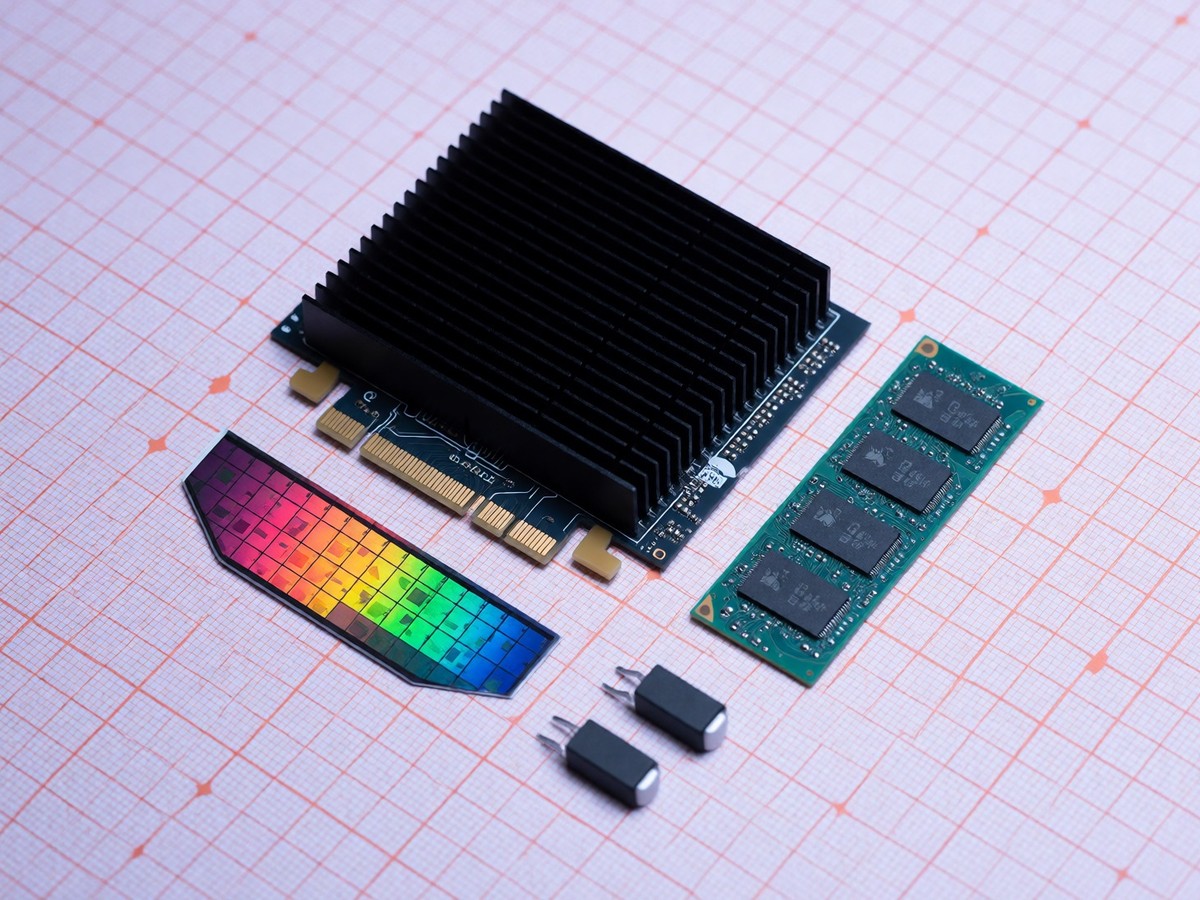
The Corsair architecture employs a digital in-memory compute chiplet design to minimize latency and power use. Instead of using HBM-based CoWoS packaging, the design utilizes SRAM on organic substrates paired with LP-DDR5 memory technology. This engineering choice streamlines the supply chain and avoids the memory integration complexities that currently slow down other AI accelerator deployments. d-Matrix partners with TSMC and Alchip Technologies to manufacture the hardware on the N6 process node. Alchip and TSMC work to ensure the high-volume manufacturing capability of the Corsair platform on this established process. The platform integrates JetStream networking accelerators and the Aviator software stack to handle the high-throughput demands of real-time voice agents and interactive coding tools.
| Feature | Specification |
|---|---|
| Total Funding to Date | $450 million |
| Series C Investment | $275 million |
| Current Valuation | $2 billion |
| Llama 70B Throughput | 30,000 tokens per second |
| Llama 70B Latency | 2ms per token |
| Performance vs GPUs | 10x faster |
| Energy Efficiency | 3-5x better |
| Cost Efficiency | 3x lower |
The system works by pairing Corsair accelerators with GPUs in a single rack to manage heterogeneous workloads. For these disaggregated computing tasks, GPUs manage the compute-heavy prefill portion while Corsair excels at the decode phase. Gimlet Labs demonstrated that a baseline 24-second response time dropped to less than two seconds when using Corsair accelerators with GPUs. This configuration provides 10x faster performance and 3x lower costs compared to traditional GPU-only setups. You should understand that the company designs these solutions to fit into standard data center environments without requiring liquid cooling. The SquadRack design, created with Arista, Broadcom, and Supermicro, enables deployment within days of installation. This design allows customers to run massive models at scale without the complexity of liquid cooling or specialized infrastructure.
Competitive landscape and market shift
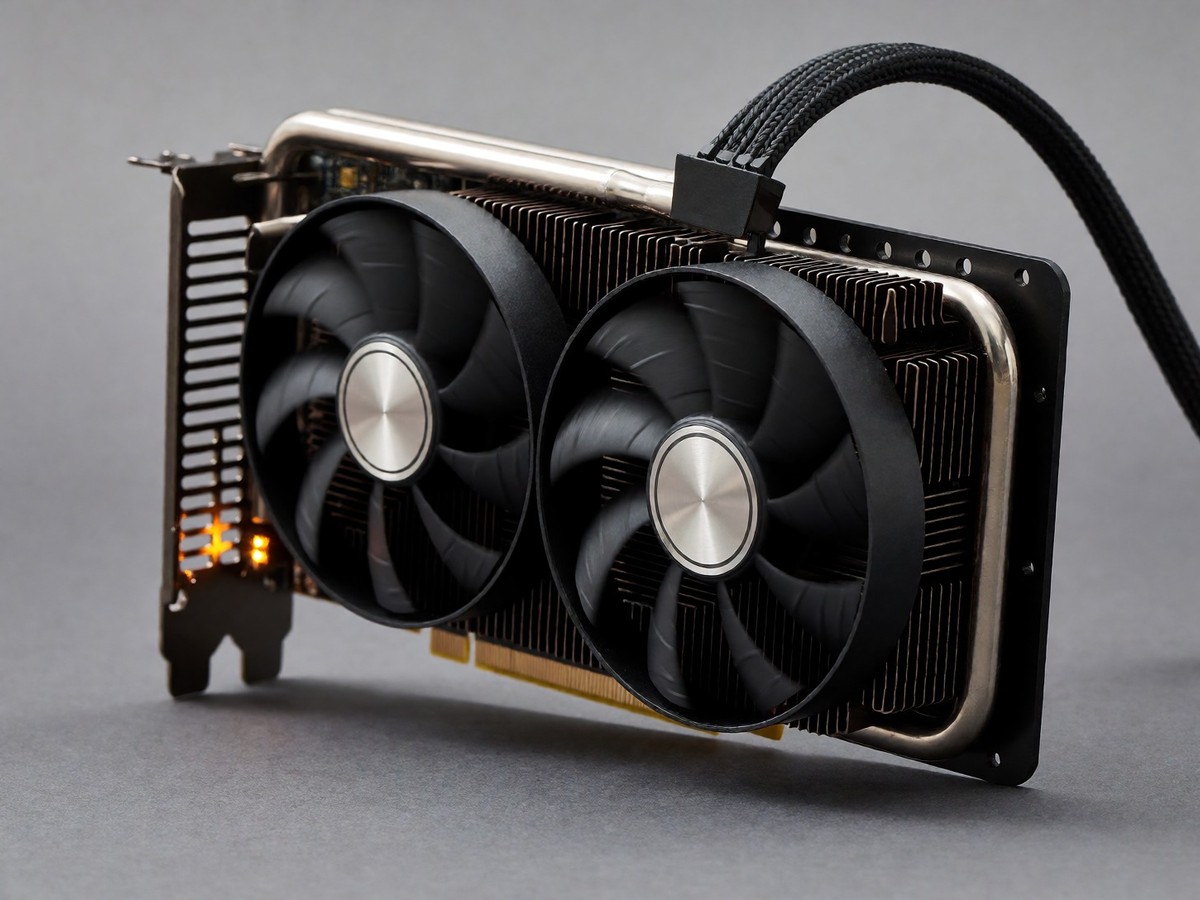
The competition in the AI silicon market centers on the transition from training-heavy workloads to large-scale inference. NVIDIA maintains a dominant position with its Hopper and Blackwell families, while AMD pursues market share with its Instinct MI300 and MI400 series. d-Matrix targets the specific needs of end-user service delivery, such as chatbots and video generators, which require high-volume response capabilities. The company provides customers with the ability to customize server racks in rack, server, and air-cooled PCIe card formats. NVIDIA continues to expand its ecosystem with the Vera Rubin platform, while AMD aims for higher throughput with the MI455X and Helios rack systems. d-Matrix differentiates itself by focusing on the cost-efficient scaling of large models through its proprietary digital in-memory compute approach.
The strategic direction of d-Matrix involves working alongside existing industry leaders rather than attempting to replace them entirely. Backing from Microsoft’s M12 venture fund helps accelerate this deployment, even though Microsoft faces criticism regarding its Azure cloud platform contracts with US Immigration and Customs Enforcement. To improve its deployment capabilities, d-Matrix acquired the data center business of GigaIO in April. This acquisition brought a team of rack-scale systems engineers to the company to assist with SquadRack production. The company founders, Sid Sheth and Sudeep Bhoja, aim to deliver faster, more interactive AI experiences at scale. Will the market favor these specialized in-memory chips over general-purpose GPUs as agentic AI tools become the standard for enterprise operations?