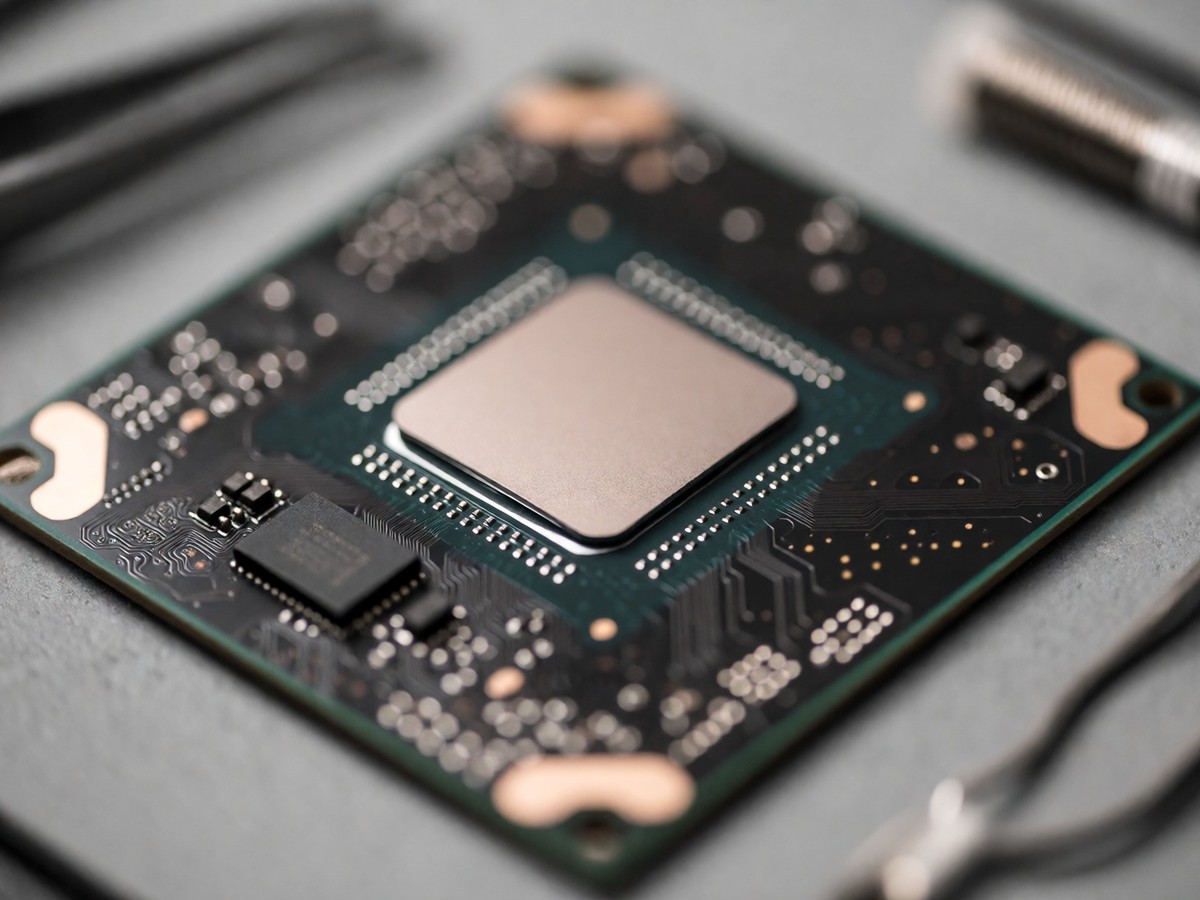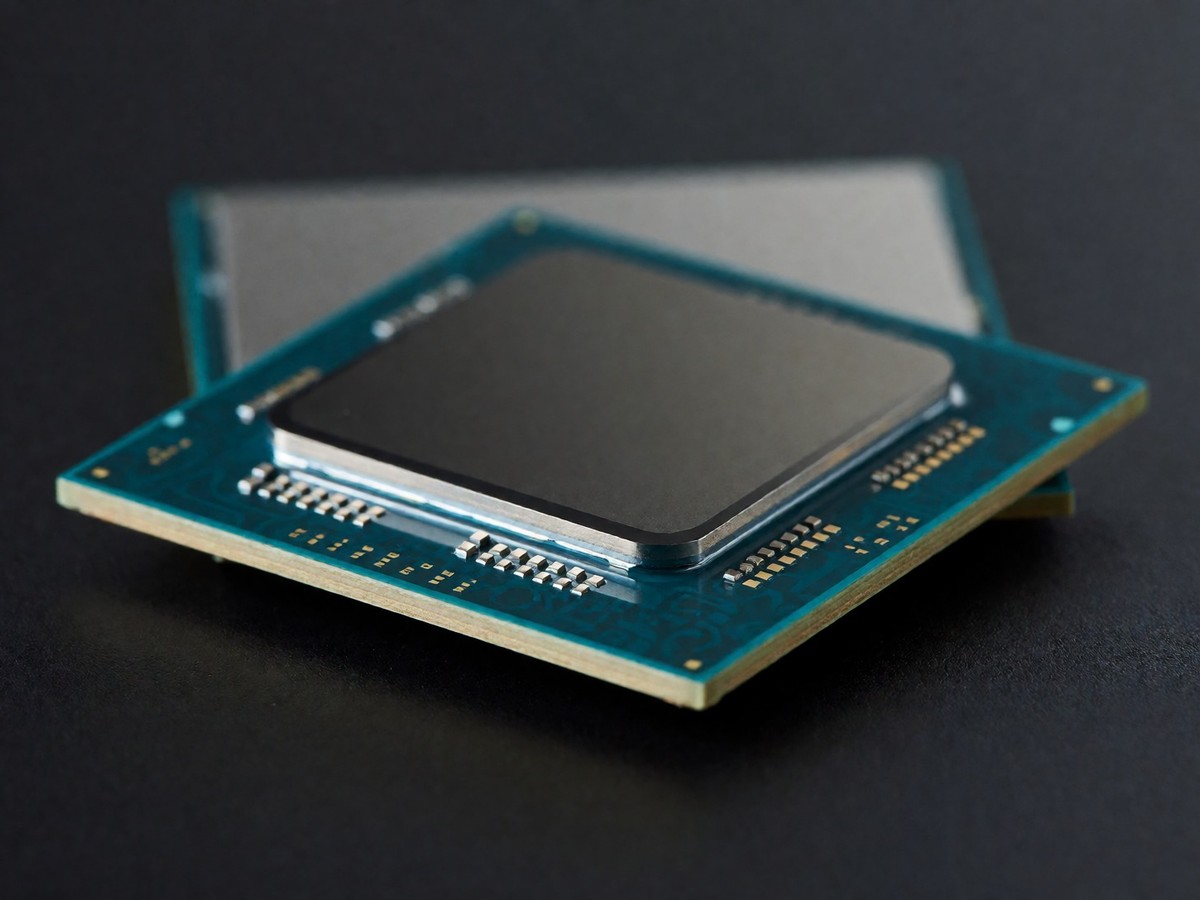
Fujitsu is developing the FUJITSU-MONAKA-X CPU as the primary driver for the FugakuNEXT supercomputer. This processor uses 2nm technology and the Armv9-A architecture with a 288-core structure. Each socket contains 144 cores. The FUJITSU-MONAKA-X CPU uses 2nm process technology and the Armv9-A architecture to deliver high performance and power efficiency for the FugakuNEXT project which is planned to begin its full operations around 2030. This design targets zetta-scale performance in AI (FP8) by 2030. The project uses findings from the Final Report on Next-Generation Computing Infrastructure. The RIKEN Kobe site will host the deployment. This system replaces the current Fugaku, which uses the A64FX chip and holds the world ranking for tenth consecutive term in HPCG. The Monaka chip moves away from high-bandwidth memory in favor of PCIe 6.0 and CXL 3.0. This shift aims to enhance scalability. The current Fugaku ranks sixth in the TOP500. Fugaku is a core system for the HPCI promoted by MEXT. The system supports research in manufacturing design and drug discovery. The Monaka chip builds upon the A64FX legacy. The Monaka processor uses a microarchitecture optimized for advanced 3D packaging.
The system will also support earth systems modeling and advanced industrial design. This capacity is a priority for Japan to secure technological sovereignty. The current Fugaku ranks fourth in HPL-MxP, which uses single-precision and half-precision arithmetic for deep learning.
| Component | Specification |
|---|---|
| Monaka Core Count | 288 cores |
| Monaka Cores per Socket | 144 cores |
| Manufacturing Process | 2nm |
| Architecture | Armv9-A |
| FugakuNEXT AI Target | 600 sparse FP8 exaFLOPS |
| FugakuNEXT HPC Target | 2.6 FP64 exaFLOPS |
NVIDIA and AMD competition
NVIDIA and Fujitsu are collaborating to build FugakuNEXT as a hybrid AI-HPC system. The partnership uses NVLink Fusion to connect FUJITSU-MONAKA-X CPUs with NVIDIA technologies. This connection provides high-bandwidth links between the CPU and the GPU. The system will utilize the NVIDIA software stack, including CUDA-X libraries, cuQuantum, and NeMo. This collaboration aims to provide sovereign AI infrastructure for Japan. The development proceeds through three pillars: "Made with Japan", "Technological Innovation", and "Sustainability/Continuity". The three-party collaboration includes RIKEN, Fujitsu, and NVIDIA. This partnership allows the co-design of hardware for both simulation and AI.
NVIDIA also produces the Grace CPU, which uses licensed Arm IP to provide high performance for massive datasets. The Grace CPU delivers 10 times the performance of current fastest servers for certain AI and HPC workloads. NVIDIA designed the Grace CPU for natural language processing and recommender systems. The Swiss National Supercomputing Centre and the United States Department of Energy’s Los Alamos National Laboratory have planned to build Grace-powered supercomputers to support national scientific research.
Fujitsu maintains a separate strategic partnership with AMD. This memorandum of understanding aims to combine Monaka technology with AMD Instinct accelerators. This collaboration targets the creation of powerful computing platforms by 2027. The partnership uses the AMD ROCm software stack and Fujitsu proprietary software to develop an open source ecosystem. This joint effort will also include global marketing and a shared customer center. You know the dominance of NVIDIA in the AI market. Will the Fujitsu-AMD partnership successfully challenge the NVIDIA ecosystem?
Budgets and feasibility studies
MEXT approved 4.2 billion yen for the initial development year of FugakuNEXT. The total project budget is approximately 110 billion yen, or roughly $740 million to $761 million USD. The project includes a 2 to 3 year operational overlap between Fugaku and FugakuNEXT to maintain research continuity. This overlap ensures that scientists have access to computational resources during the migration. Fujitsu engineers previously faced a 12 to 24 month delay on the Flagship 2020 project. This delay happened because engineers needed more time to design and test the new CPU semiconductor technology. The project aimed for a 2020 arrival but missed the deadline.
The development of FugakuNEXT involves four distinct feasibility study teams. One team, represented by RIKEN, includes members from Tohoku University, Osaka University, and Kyushu University. This group focuses on architecture, system software, and applications. A second team, represented by Kobe University, includes Preferred Networks and works on many-core processors. A third team, represented by Keike University, explores linking systems with quantum computers. A fourth team, represented by the University of Tokyo, examines operational technology for digital twin technology.