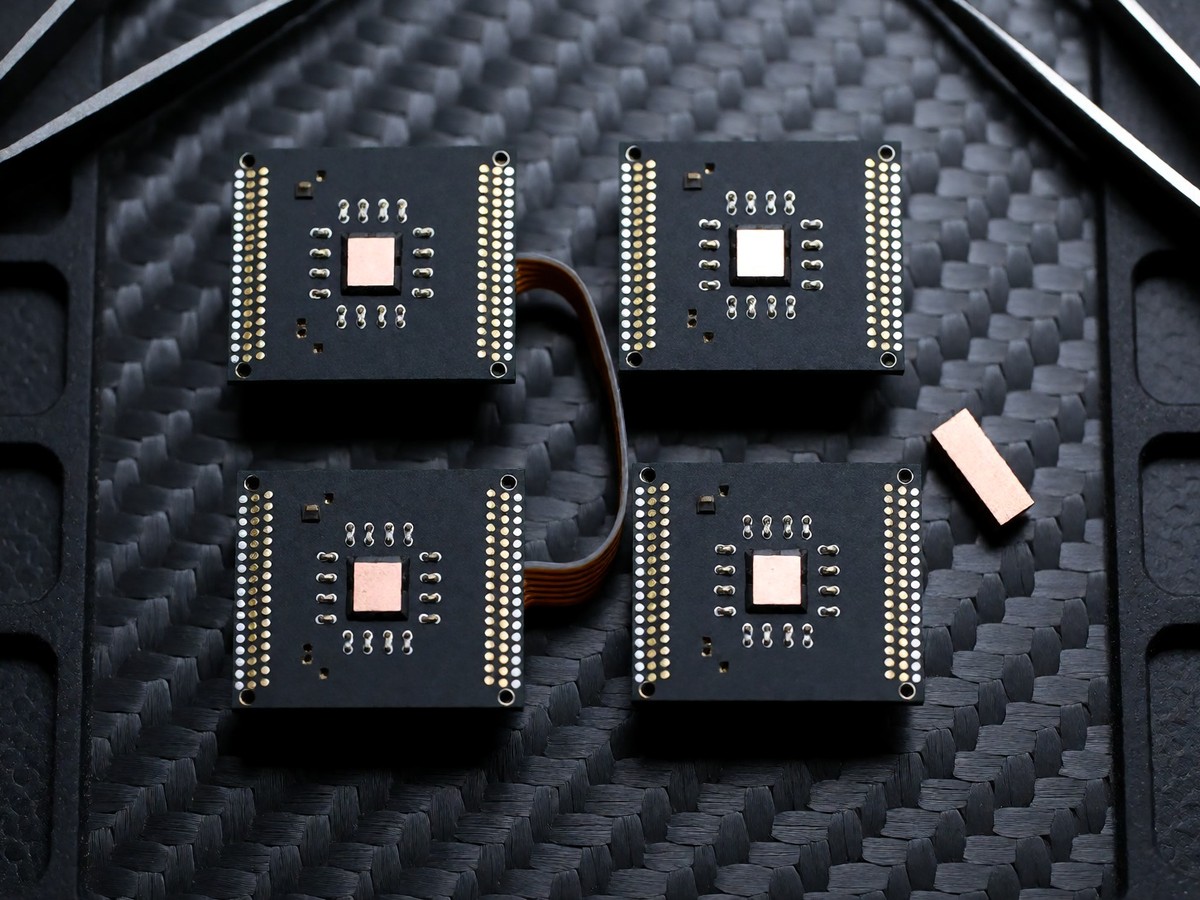
Positron AI recently raised $875 million in a funding round that quadrupled its valuation to $5 billion in seven months. The company targets production of its next-generation Asimov chip in the second half of 2027, with proceeds funding the final design stage. Its current Titan system combines four to eight Asimov chips to serve models exceeding 16 trillion parameters and context windows beyond 10 million tokens in a single node. This hardware addresses a critical bottleneck: GPUs were designed for training, not the continuous, large-scale inference workloads that define modern enterprise AI. OpenAI CEO Sam Altman noted that GPU resources are fully saturated, forcing staged releases of models like GPT-4.5. Meta faces similar strain, making efficient inference hardware a strategic necessity rather than a luxury.
Efficiency metrics that break the GPU cost curve
I view Positron’s Atlas system as the clear winner on efficiency because it delivers 3.5x better performance per dollar and 3.5x greater power efficiency than Nvidia H100 GPUs. The architecture achieves over 93% bandwidth utilization, whereas standard GPUs typically manage only 10 – 30%. This gap matters because legacy data centers struggle with servers consuming up to 10,000 watts, a load many facilities cannot support without massive upgrades. Positron’s systems cut data center CapEx by 50% while delivering 70% faster inference at 66% lower power consumption. For enterprises running open-weight models like Mistral Large 3 or Meta’s Llama series, this translates to direct savings on the most expensive part of the stack: compute.
| Metric | Positron Atlas | Nvidia H100 |
|---|---|---|
| Bandwidth Utilization | >93% | 10 – 30% |
| Performance per Dollar | 3.5x higher | Baseline |
| Power Efficiency | 3.5x higher | Baseline |
| Inference Speed | 70% faster | Baseline |
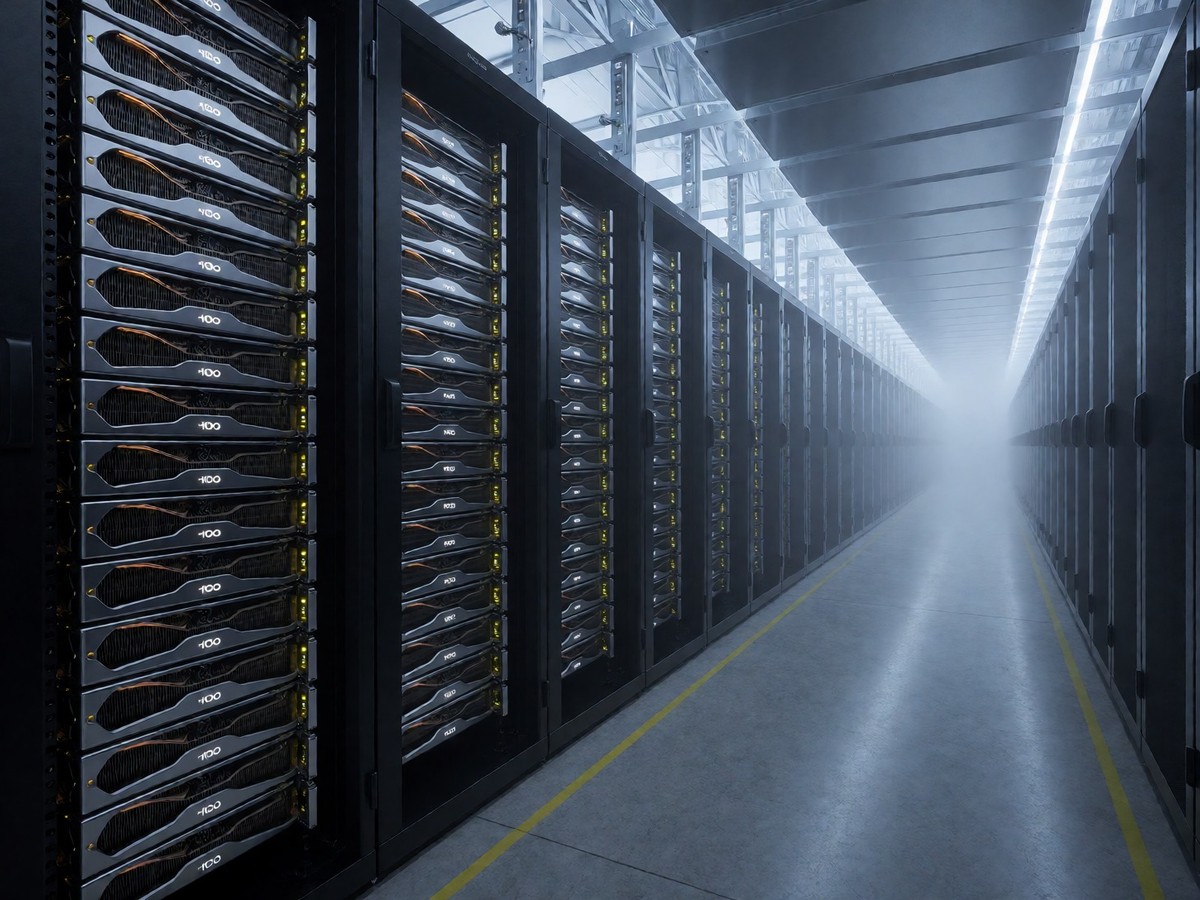
The software integration is equally important. Positron provides plug-and-play compatibility with Hugging Face and OpenAI APIs, which simplifies deployment for teams already using vLLM or TensorRT-LLM. Mistral’s open-weight models, such as Small 4 with 119B parameters, require significant VRAM but benefit from high-bandwidth architectures that reduce latency. I would skip the complexity of migrating to new CUDA stacks if Positron’s API compatibility holds up in production tests. The company is already deploying more than 50 racks of Atlas at Oracle Cloud Infrastructure, proving that the hardware works at scale.
Sovereignty and the shift to metered compute
Enterprises increasingly demand control over where their AI runs, especially when handling sensitive data. Mistral Studio allows customers to deploy models in their own VPC or on-premises, ensuring that proprietary code and customer PII never leave the corporate perimeter. Forty-four percent of firms identify data privacy as the primary barrier to enterprise AI adoption, a statistic that drives the move away from public cloud APIs. Positron’s U.S.-manufactured chips address another concern: supply chain independence. Unlike offshore semiconductor operations, Positron designs, fabricates, and assembles its hardware domestically, reducing geopolitical risk for regulated industries.
The economic model is shifting from one-time training investments to continuous consumption. Every token generated is an inference event, and the cost per query determines whether an AI application remains viable at scale. NVIDIA’s Blackwell architecture aims to reduce cost per token, but specialized inference chips like Positron’s offer a different path: lower absolute power draw and higher bandwidth efficiency. This creates a feedback loop where lower costs drive more usage, expanding the total addressable market for AI services.
One question remains unanswered: can Positron maintain its lead as NVIDIA ramps up its Vera Rubin platform, which promises 5x more inference performance and 10x lower cost per token compared to Blackwell? The answer will depend on whether enterprises prioritize raw throughput or operational efficiency. For now, the numbers favor Positron for specific workloads where power constraints and cost per token are the binding constraints.