Hardware architecture and performance
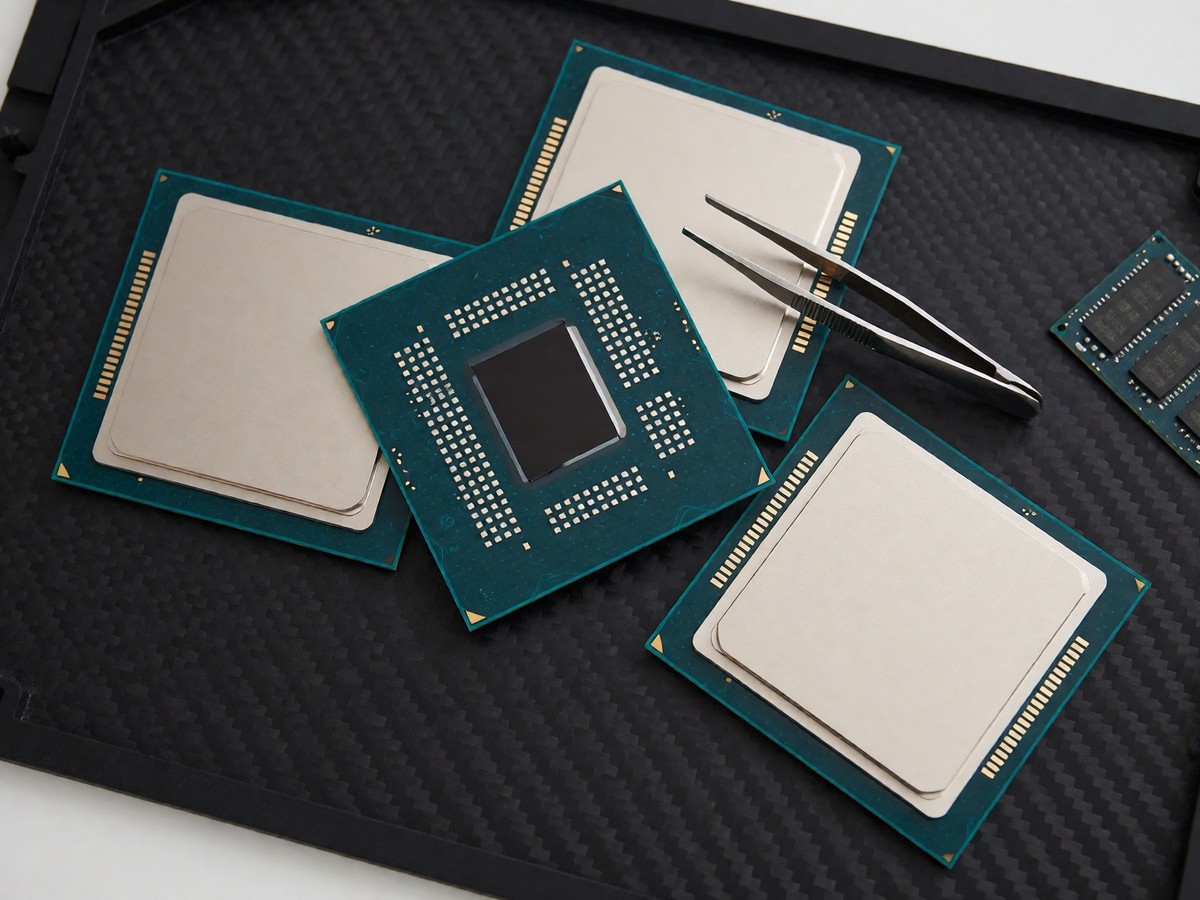
Jim Keller leads Tenstorrent, which builds AI computers with offices in Austin, Silicon Valley, Toronto, Belgrade, Seoul, Tokyo, and Bangalore. The company faced criticism in February 2026 when a firmware update v19.5.0 reduced Tensix cores on Blackhole p150 accelerators from 140 to 120. This reduction affects the compute density users expect. The Blackhole chip adds 16 dedicated large RISC-V cores to the mesh to manage data orchestration. This design eliminates the bottleneck that plagued the prior Wormhole generation during small-batch inference. Every Tensix core contains five RISC-V "baby" cores, including two for data movement and three for orchestrating compute, plus a matrix floating-point unit and a vector unit. The system runs both prefill and decode phases on the same chip.
| Component | Specification |
|---|---|
| Galaxy Blackhole Aggregate SRAM | 6.2 gigabytes |
| Internal Bandwidth | 2.9 petabytes per second |
| GDDR6 Capacity | 1 terabyte |
| GDDR6 Bandwidth | 16 terabytes per second |
| Compute Performance | 23 petaFLOPS (Block FP8) |
| Starting Price | $110,000 |
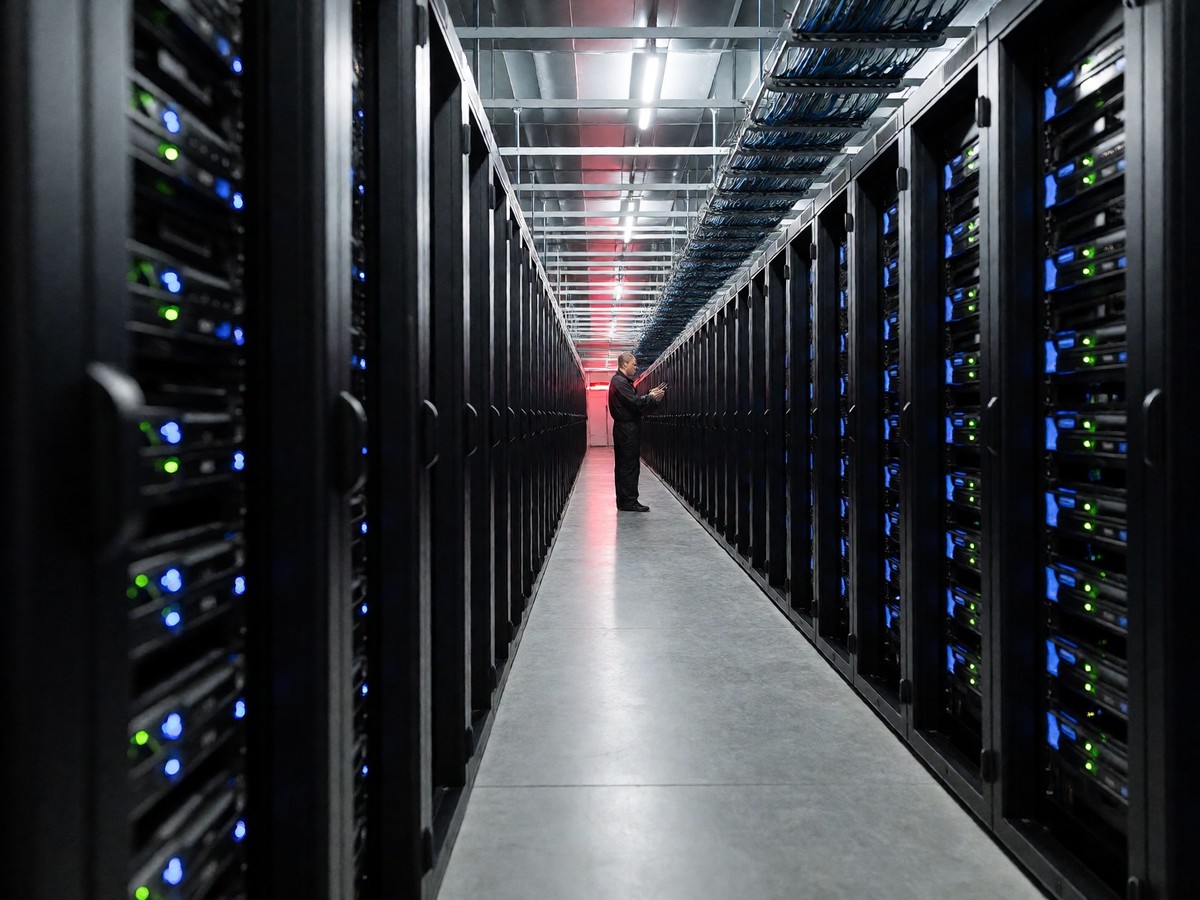
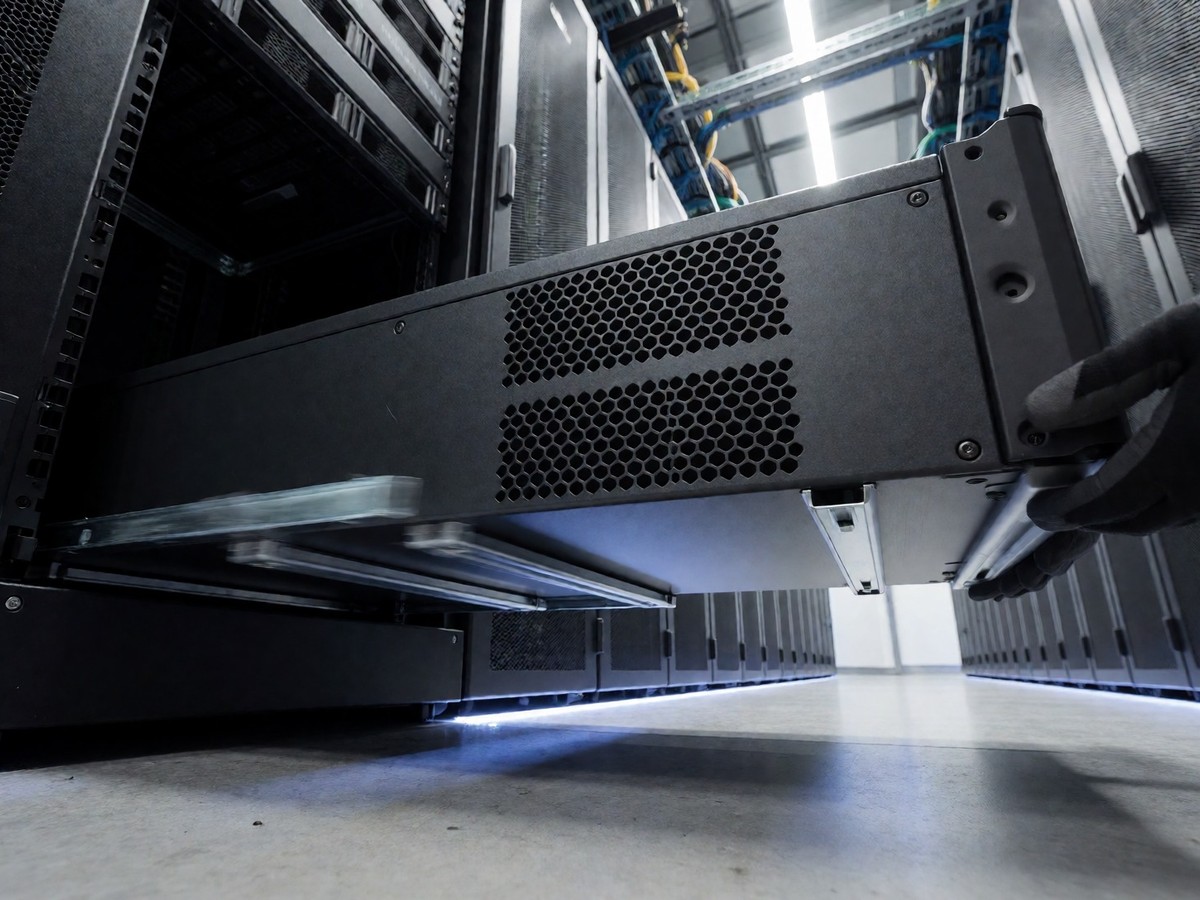
The Galaxy Blackhole server uses 32 Blackhole chips in a 6U enclosure interconnected by a 100-terabit-per-second Ethernet mesh to deliver 23 petaFLOPS of Block FP8 compute starting at a price of $110,000. This hardware delivers high performance for heavy workloads. The configuration provides 6.2 gigabytes of aggregate on-chip SRAM at 2.9 petabytes per second of internal bandwidth and includes 1 terabyte of GDDR6 at 16 terabytes per second for system overflow. This setup runs gpt-oss-120b at 5,300 tokens per second per user for decode. Each layer in the model splits across a 4×4 mesh of 16 Blackhole chips. For those evaluating smaller scales, the Wormhole n150 provides 72 cores, 108 MB of SRAM, and 262 FP8 TeraFLOPs at 1 GHz. The n300 uses two n150 chips to provide 466 FP8 TFLOPS.
Market competition and acquisition
Qualcomm holds advanced talks to acquire Tenstorrent at a valuation between $8 billion and $10 billion. This move seeks to capture the market Nvidia currently owns. Tenstorrent raised $1.5 billion in a Series E round, valuing the company at $6.2 billion. This follows reports from late 2025 that Tenstorrent sought capital at a $3.2 billion pre-money valuation. Qualcomm aims to build a RISC-V strategy to mitigate its dependency on Arm and avoid royalty payments to competitors. The company already acquired Ventana Micro Systems in December 2025 and Alphawave Semi for $2.4 billion. A Tenstorrent acquisition would position Qualcomm against Intel, which also shows interest in the asset. Jim Keller, who joined Tenstorrent as CTO in 2020 and became CEO in 2023, previously worked at AMD, Apple, Tesla, and Intel. His background in designing x86-64 and ARM microarchitectures supports Tenstorrent’s technical goals. If you want to understand the strategic logic, consider that Tenstorrent provides a clean-sheet AI accelerator built for the data center from the ground up. The move follows market trends where specialized AI silicon generates high margins, much like the recent valuation of Cerebras.
Open-source ecosystem expansion
The software stack uses TT-Metalium, an open-source, MIT-licensed MLIR-based backend compiler infrastructure. Programming with TT-Metalium requires developers to manage SRAM and Network-on-Chip data movement explicitly. This difficulty makes it harder than writing a CUDA kernel. While the ecosystem supports video generation and large language models, it lacks the extensive framework support that Nvidia provides. The Open Chiplet Atlas Harness remains in open source beta. This standard defines how chiplets from different vendors interact across software, system, protocol, transport, and physical layers. The harness turns the architecture standard into reusable infrastructure for security, boot, system management, debug, test, and die-to-die connectivity. Tenstorrent provides access to silicon through the Tenstorrent Cloud Console. This platform allows users to run models like MiniMax M3.1 Flash. Tenstorrent also provides protein prediction on TT-QuietBox 2. Tenstorrent partners with ConfidentialMind to bring its self-hosted AI platform to Tenstorrent Galaxy. This allows enterprises to run open source LLMs, RAG, and agents in a private data center without building a platform first. Does the open-source software ecosystem move fast enough to overcome Nvidia’s twenty-year moat?