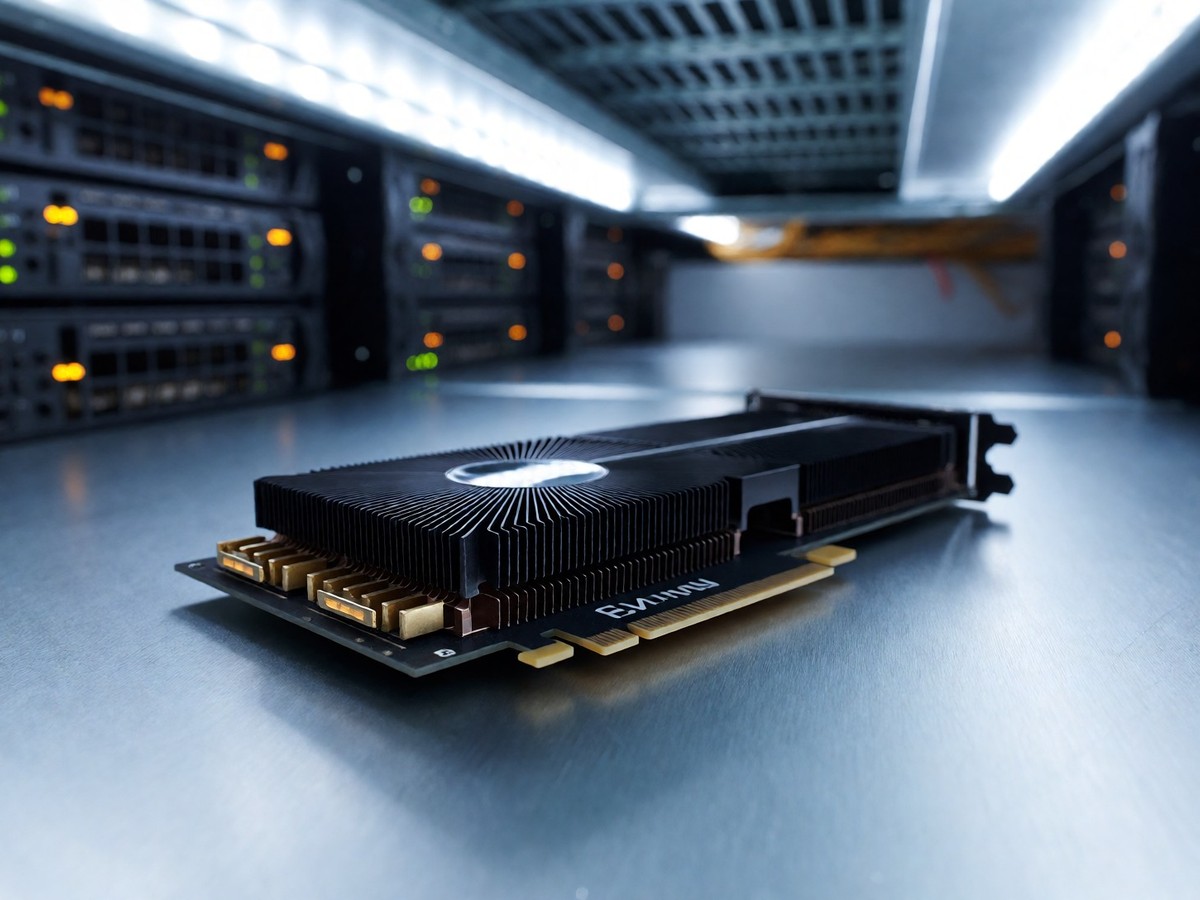
The reliance on TSMC for the N3 process means that Amazon’s ability to scale Trainium production depends entirely on whether TSMC can resolve its CoWoS packaging bottlenecks and satisfy the massive demand for high-bandwidth memory. I see the physical limits of semiconductor manufacturing as the primary threat to the expansion of Amazon’s custom AI hardware. Although AWS scales its infrastructure, it depends on TSMC for the N3 process, which industry leaders like Apple and AMD confirm remains tight. TSMC management stated in July 2025 that N3 capacity would remain tight for a couple of years. This scarcity forces companies to compete for the same advanced node wafers. I also note that TSMC may implement price increases of up to 25% for certain customers needing extra capacity. Because HBM must be available before the packaging step begins, the scarcity of memory drives the delay in finished chip delivery. The convergence of Nvidia’s Rubin GPUs and Google’s TPU shipments on the N3 node increases this pressure. Google expects TPU shipments to rise from 3.3 million in 2026 to 5.1 million in 2027. I observe that while TSMC adds capacity in Taiwan and Japan, most new fabs will not arrive until 2028. This delay reinforces the geographic imbalance in the semiconductor industry. Even with $52 billion in US government incentives from the CHIPS and Science Act, execution remains difficult. TSMC delayed its Arizona fabs, and Intel pushed its Ohio plant start date to between 2027 and 2028. Chip manufacturers remain wary of overbuilding after the COVID-19 pandemic caused significant losses in the automotive industry. The computer memory industry remains susceptible to these swings, as new capacity takes billions of dollars and many years to bring online.
The AWS custom silicon roadmap
Amazon targets Nvidia’s dominance by offering better price-performance ratios for AI training. Trainium2 currently sells out due to intense demand. Trainium3, which began shipping in early 2026, is nearly fully subscribed. You already know that custom silicon aims to reduce the total cost of ownership by bypassing the high rental rates of merchant GPUs.
| Metric | Trainium2 | Trainium3 |
|---|---|---|
| Hourly Rental Rate | $4.80 | [Not specified] |
| FP8 Compute | [Not specified] | 2.52 petaflops |
| HBM Memory | [Not specified] | 144 GB HBM3e |
| Performance vs predecessor | Base | 40% increase |
| Energy efficiency vs predecessor | Base | 40% improvement |
I find the economic shift toward custom silicon obvious when comparing these costs to the $25,000 to $40,000 price of an H100. Nvidia’s H100 offers 4 petaflops of FP8 compute, but Trainium3’s performance leap targets a much lower cost profile for large language models with over 100 billion parameters. Trainium3 provides 2.52 petaflops of FP8 compute and 144 GB of HBM3e memory. This chip offers 40% more performance and 40% better energy efficiency than the previous Trainium2 model. The upcoming Trainium4 will deliver 6x FP4 performance, 3x FP8 performance, and 4x memory bandwidth compared to Trainium3. Amazon secured more than $225 billion in revenue commitments for Trainium from customers including OpenAI, Anthropic, and Uber. This demand follows the surge in Anthropic revenue, which reached $30 billion in April 2026. Amazon’s overall revenue reached $181.5 billion in Q1 2026, driven by AWS growth. This expansion helps fund the projected $200 billion in spending on AI infrastructure. The H100 rental rates range from $2.10 to $5.00 per GPU-hour.
Deployment hurdles in power and data
Infrastructure and data management issues hinder enterprise adoption. Early iterations of Trainium1 and Trainium2 lagged behind Nvidia’s H100 in latency and cost efficiency. I observe that power availability can stall even the most well-funded data center projects. Microsoft withdrew from a planned facility in Essex because grid officials said power might not arrive until the 2030s. Goldman Sachs estimates that data center power demand could rise 170% from 2025 to 2030. Companies struggle with the quality of the information they feed into AI models. A Qualtrics 2026 report found that nearly one in five companies using AI for customer service saw no benefit. This failure rate is four times higher than in other consumer applications. Most companies spend 90% of their effort picking a tool but only 10% on training. I see businesses struggling with unorganized knowledge bases or outdated documentation, such as refund policies from 2022. To fix this, 58% of customer service leaders plan to retrain support agents into knowledge management specialists. The transition toward an AI Copilot model, where AI drafts responses for human review, helps mitigate these errors. High performing teams audit their data before jumping into deployments to avoid the pitfalls of unarchived or duplicate entries. Can the industry scale these models effectively if the underlying data remains uncurated? I note a reported campaign where hackers used AI agents to compromise over 100 websites.