Blackhole inference claims
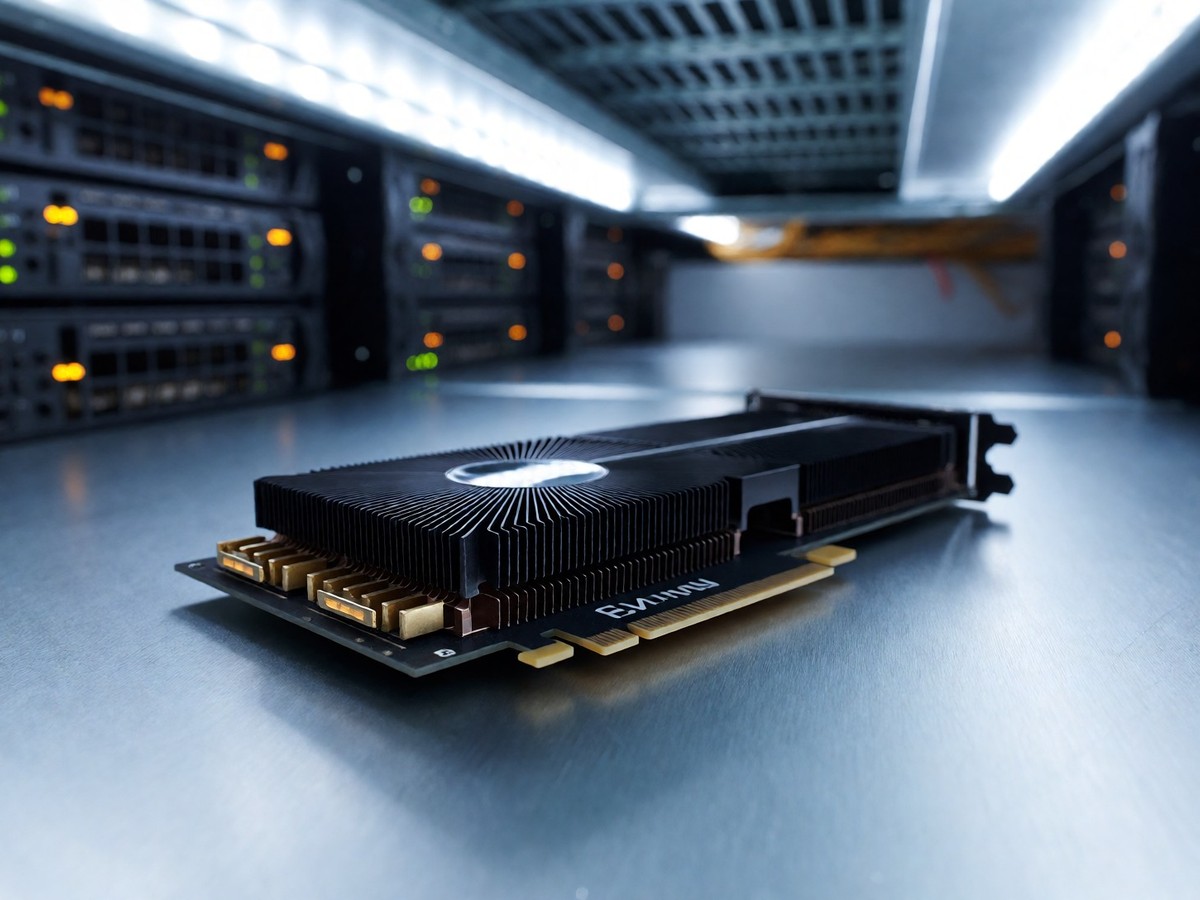
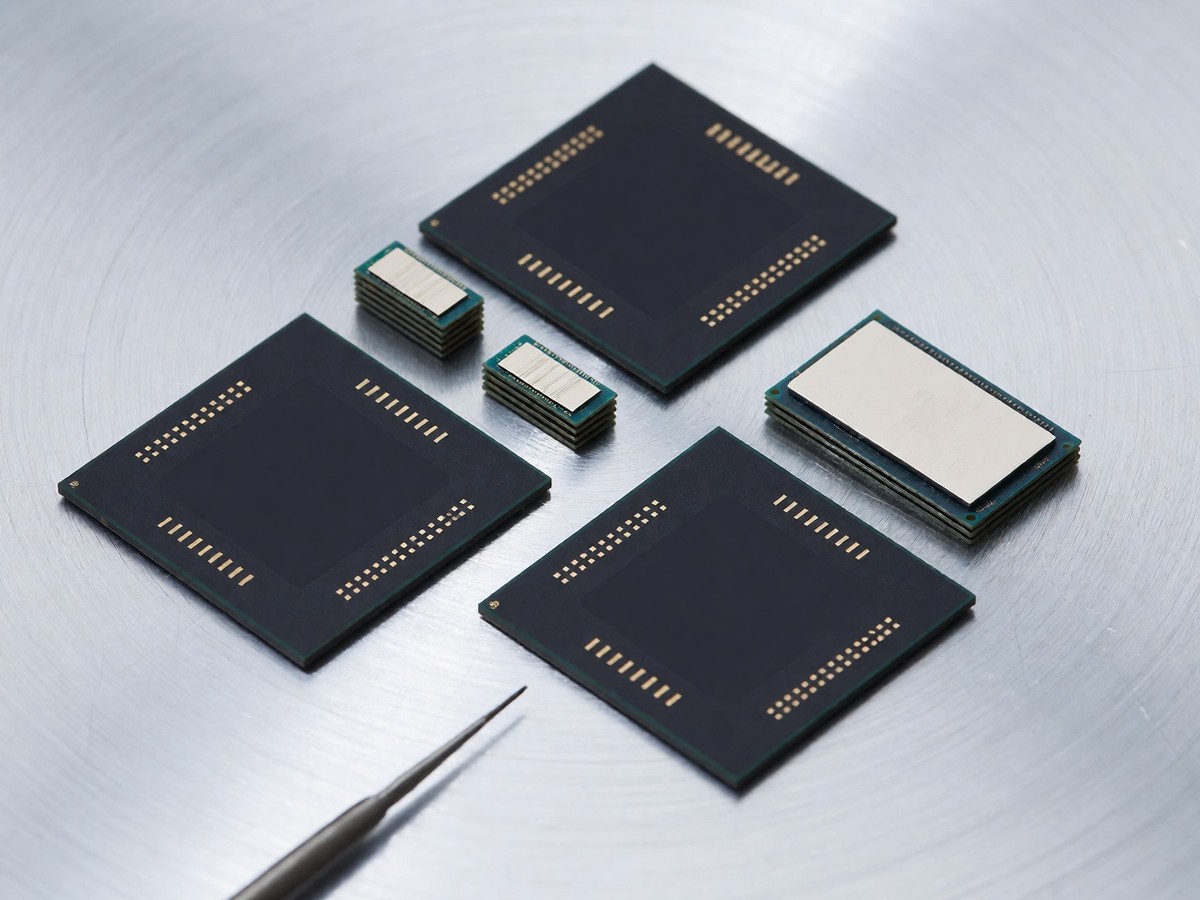
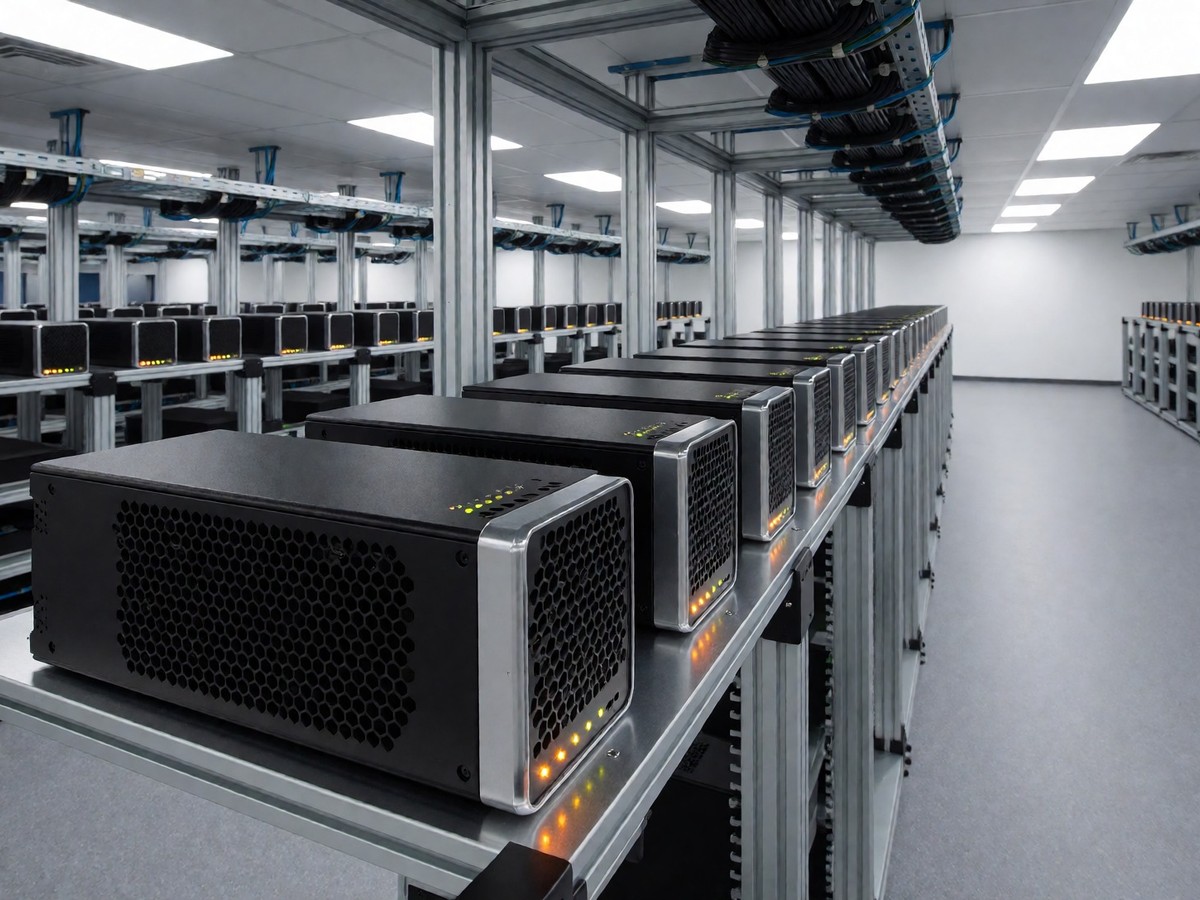
Tenstorrent released the Blackhole chip family in April 2025. The Galaxy Blackhole server provides 23 PFLOPS of Block FP8 performance using 32 chips. In Blitz Mode, the company says the system achieves 350 tokens per second per user for DeepSeek-671B inference with a time to first token under 4 seconds. I find these claims difficult to reconcile with the established NVIDIA ecosystem. EE Times recorded 255 tokens per second per user for short chatbot prompts using 16 Galaxy servers, which uses 512 chips via pipeline parallelism. This setup supports batch sizes from 8 to 64 and context lengths up to 128k. Tenstorrent says its Galaxy supercluster generates video 10 times faster than leading GPU systems. The Blackhole chip uses 140 tensor cores and integrates high-performance Ascalon RISC-V cores. Each core carries five RISC-V controllers for scheduling, while 16 larger SiFive X280 RISC-V cores handle general compute tasks. The Blackhole architecture uses a chiplet-based design with a mesh topology. The Galaxy Blackhole server contains 6.2 GB of on-chip SRAM across 32 chips, totaling 2.9 PB/s bandwidth, along with 1 TB of DRAM providing 16 TB/s bandwidth. Jim Keller says the industry focus on specialization could become problematic as models evolve. Does the massive scale required for these numbers negate the cost advantages?
Hardware and memory differences
The physical differences between these architectures dictate how they handle specific workloads. The NVIDIA H100, which uses HBM3 memory to reach 3,350 GB/s bandwidth, delivers 80 GB of capacity and provides more than double the 32 GB found on the Blackhole chip, whereas the Blackhole relies on 32 GB of commodity GDDR6 to reach 512 GB/s. You already know the H100 leads the market, so I will focus on the hardware specifics. I see a significant gap in memory architecture. The H100 provides 80 GB of memory. The Blackhole uses 32 GB of memory.
| Specification | Tenstorrent Blackhole | NVIDIA H100 (SXM5) |
|---|---|---|
| Process | 4nm / 6nm Samsung | TSMC 4nm |
| Memory Type | GDDR6 | HBM3 |
| Memory Capacity | 32 GB | 80 GB |
| Memory Bandwidth | 512 GB/s | 3,350 GB/s |
| Tensor Cores | 140 | 4th Generation |
| TDP | Not specified | 700 W |
The NVIDIA H200 provides 141 GB of HBM3e memory because it uses the same GH100 chip as the H100. The H100 delivers 3 to 5 times the performance of the A100 on transformer models because of its Transformer Engine. The H100 also achieves 30x faster inference than the A100. The H100 includes 80 billion transistors and delivers 989 TFLOPS in FP16 for the SXM5 variant. New H100 SXM5 units cost between $25,000 and $40,000 per GPU. The PCIe version costs between $20,000 and $30,000. The H100 supports MIG partitioning, which allows a single physical GPU to be sliced into up to 7 independent MIG instances.
Scaling and deployment realities
NVIDIA uses NVLink to provide 900 GB/s of bandwidth and NVSwitch to allow 57.6 TB/s of all-to-all communication. Tenstorrent uses 10 400 GbE links per board to stitch clusters together. I would avoid the Blackhole if a workflow requires the massive inter-GPU communication speeds of NVIDIA’s NVSwitch. The H100 also uses 700 W TDP, a figure that matches the power needs of an average German household for a year if run continuously. NVIDIA models with high structured sparsity, like language and vision models, see up to a 4x boost in training speed compared to the A100. The H100 provides 2x higher throughput on GPT-3 and GPT-4 models. Tenstorrent targets a lower total cost of ownership, yet I find the reliance on specialized software like TT-Metalium to be a hurdle compared to the mature CUDA ecosystem. The company focuses on a general-purpose approach, but getting hundreds of customer models to run on Blackhole hardware is a challenge. The NVIDIA DGX H100 system packs 8 SXM5 GPUs connected via NVLink 4.0 and NVSwitch, providing 640 GB of HBM3 and 7,200 GB/s of GPU-to-GPU bandwidth. This 8-GPU system costs $400,000 or more. Cloud rental for an H100 ranges from $1.38 to $11.06 per hour. The H100 provides 900 GB/s of all-reduce bandwidth in 8-GPU NVLink pods to prevent GPUs from idling during gradient synchronization. The H100 also delivers more than 6 million inferences per second for DLRM recommendation models.