The SambaNova hardware stack
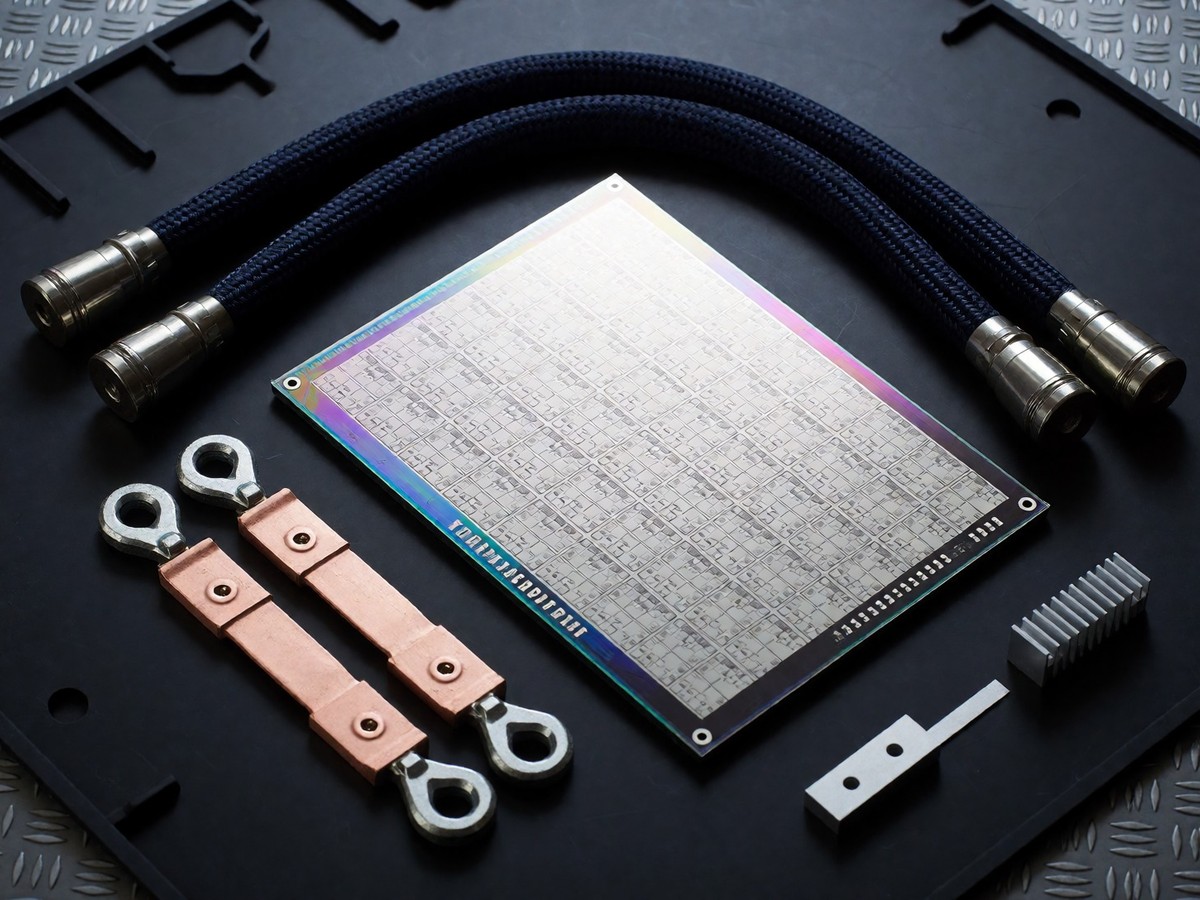
SambaNova’s SN40L chip handles models up to 5 trillion parameters and supports a sequence length exceeding 256k tokens on a single system node. The chip integrates both HBM and DRAM to allow algorithms to choose the memory most appropriate for a specific task. This architecture supports the SambaNova Suite, which provides a full stack for large language model deployment. The hardware is part of the SambaStack, which includes Reconfigurable Dataflow Units and SambaOrchestrator software. SambaNova also collaborates with Supermicro to provide inference systems that combine NVIDIA GPUs with SambaNova SN50 Reconfigurable Dataflow Units. In these systems, GPUs handle the prefill stage and RDUs manage the decode stage. SambaNova engineers tune models on the SN50 and assist with deployments. The RDU architecture allows the chips to run sparse models with smarter compute.
Deploying the AI Starter Kit
Users deploy the AI Starter Kit to create semantic search workflows using Python and Langchain LCEL. The kit uses a configurable SambaNova connector and allows for integration with a third-party vector database such as Chroma. To start the deployment, the user clones the repository and sets environment variables to use an inference model via a free API key from SambaCloud. You, who already manage local clusters, should run the starter kit in a virtual environment or a Docker container to avoid system conflicts. The workflow follows an ingestion, retrieval, and Q&A process.
The ingestion workflow involves parsing and indexing data. For parsing, the kit uses PyMuPDF or the unstructured module to extract text from files. Once text is extracted, the system splits the data into chunks. The size of these text chunks depends on the context length offered by the model. After splitting, the system uses HuggingFaceInstructEmbeddings to create a vector representation for each chunk. The vector database then stores these embeddings along with relevant metadata, including the filename and page number. During retrieval, the system converts the user query into an embedding using the same mode used for the data. The vector database then returns relevant entries, and a reranker model can set the order of retrieved passages by relevance. This ensures that the top N documents with the highest relevance scores are selected and passed to the QA chain as context.
The implementation requires specific Python versions between 3.10 and 3.12. If the user deploys the Docker container on Windows, they must have the Microsoft Visual C++ Redistributable installed.
| Component | Specification or Method |
|---|---|
| Max Model Parameters | 5 trillion |
| Max Sequence Length | 256k+ tokens |
| Recommended Python | 3.10 to < 3.12 |
| Vector Database Option | Chroma |
| Embedding Model | HuggingFaceInstructEmbeddings |
Measuring performance and operational stability
Effective deployment requires measuring end-to-end latency from the moment a request arrives until the user receives the output. This measurement includes the time for prefill, the time for decode to become ready, and the time spent waiting. A proper test plan varies the workload by using different prompt lengths, response lengths, and levels of concurrency to determine how the request mix affects the queue before generation reaches the user at the end of the process. High concurrency testing helps determine how request mixes affect the queue before generation. The handoff between the prefill and decode stages also requires testing to see how state moves between them. If a destination becomes unavailable after the first stage finishes, the operator must know if the request retries or fails.
A capacity-planning question arises in heterogeneous systems regarding how much of each resource the intended workload needs. The operator should have the supplier explain the sizing assumptions and demonstrate what happens when the request mix changes. Testing determines if longer prompts alter the queue before generation or if longer responses constrain the resources serving subsequent requests. You should watch both queues and accelerator utilization together and record any admission controls that keep the system within the agreed service target. The operator must confirm who can change those controls and what evidence triggers a change. This provides the scheduling team with concrete data for deciding which workloads to admit. Infrastructure teams must agree on the first contact and the specific logs needed for escalation during an incident. Operators should watch both queues and accelerator utilization together to ensure the system stays within service targets. A single person can complete work in hours that previously required 10 person-days when using integrated software stacks. Is the capacity of the RDU enough to handle shifting request mixes without admission controls?