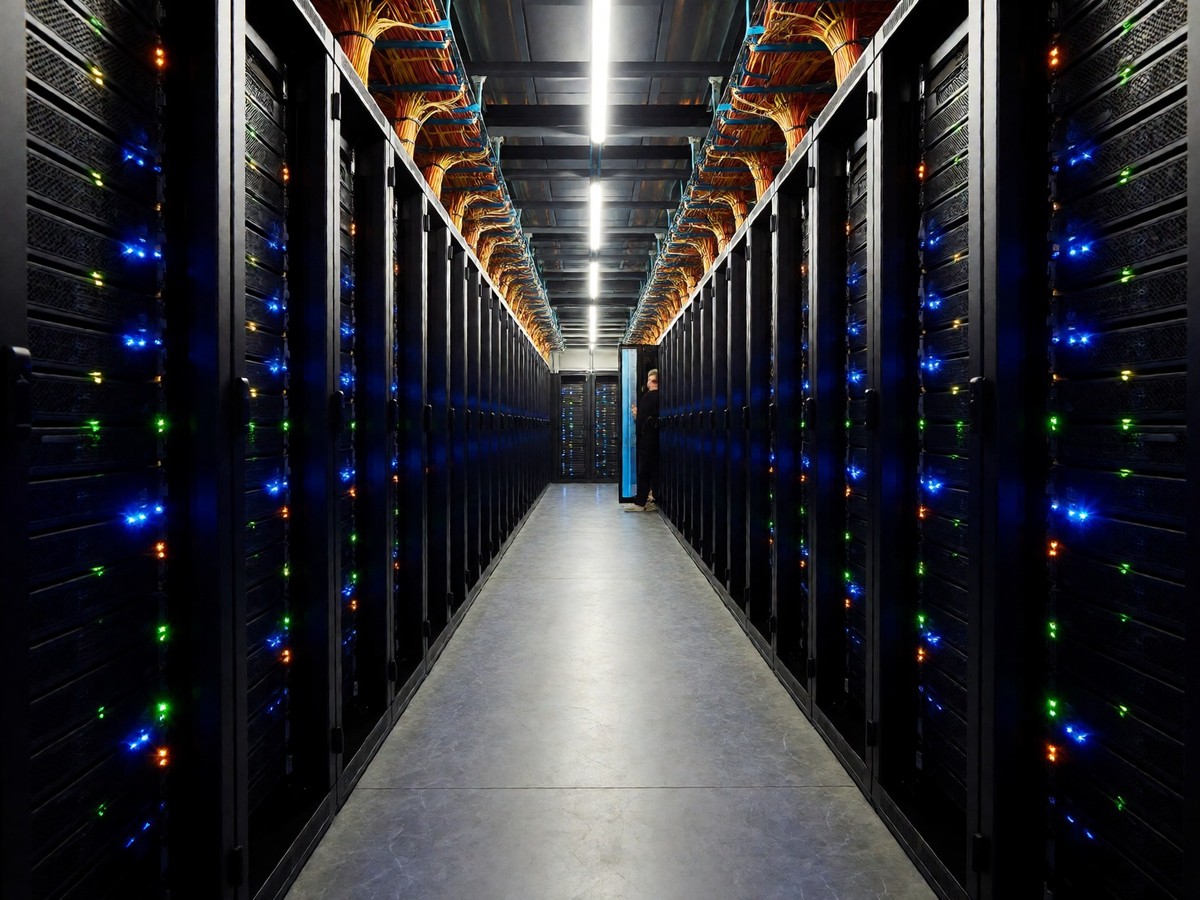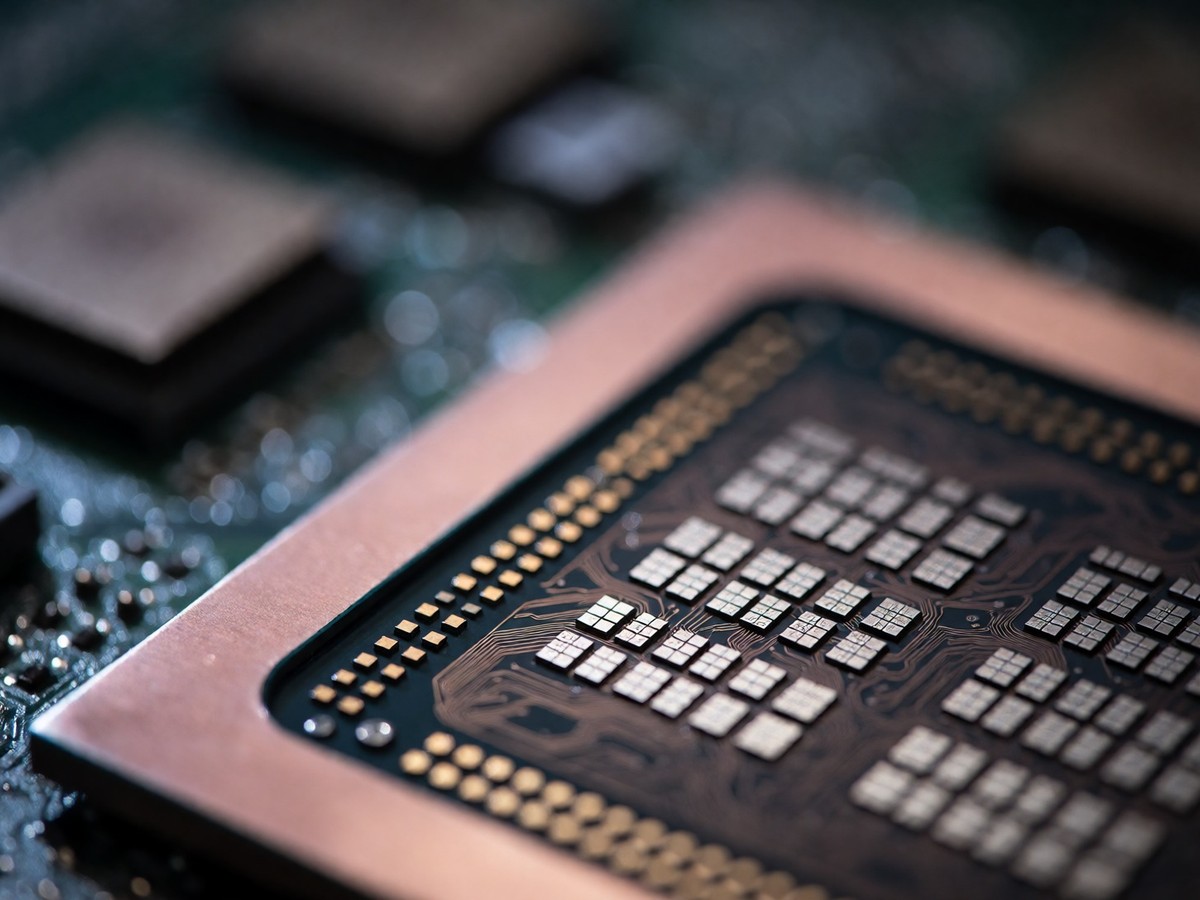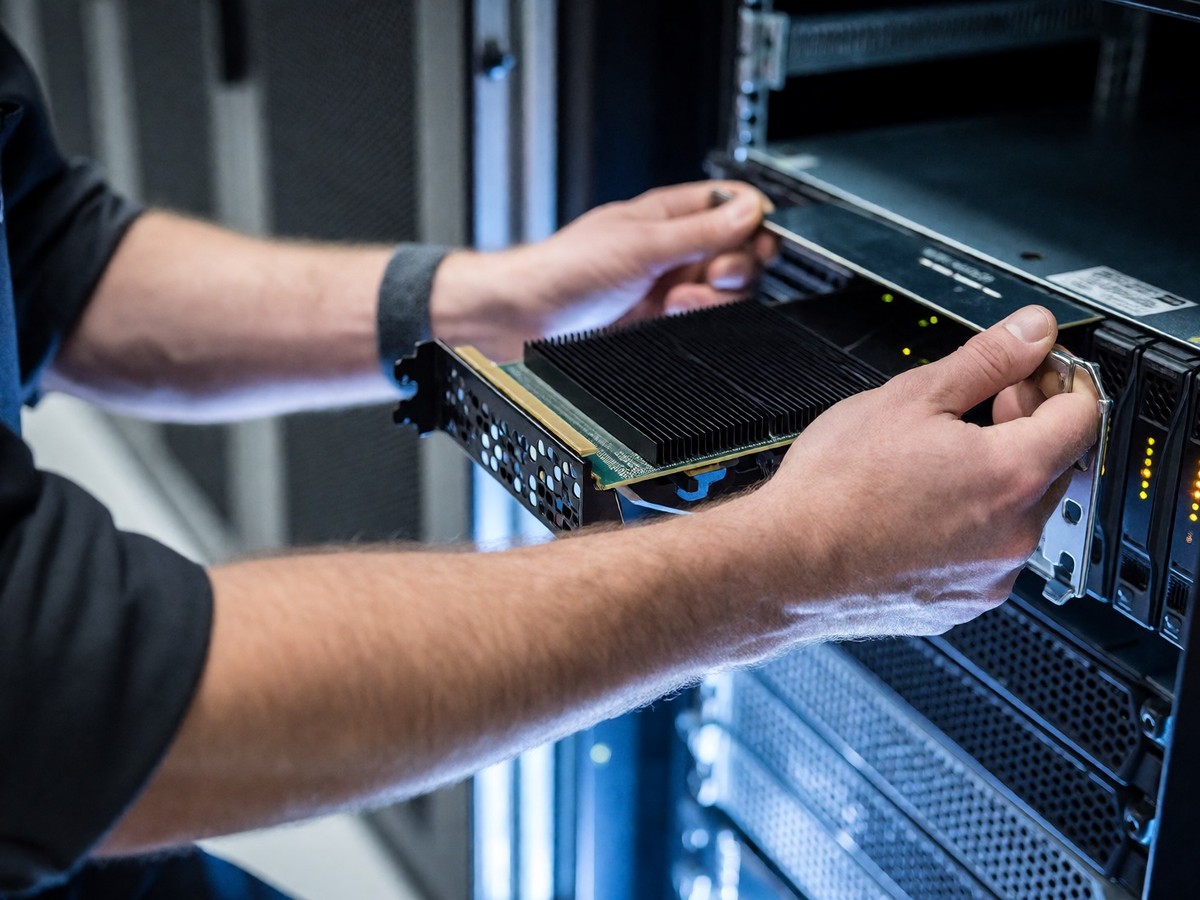
Sid Sheth founded d-Matrix in 2019 to build compute platforms for AI inference at scale. He brings over 20 years of experience in the semiconductor industry, having served as the Senior Vice President and General Manager of the Networking Business Unit at Inphi Corporation before Marvell acquired the company for $10 billion. During his time at NetLogic Microsystems, he led the entry into 40G/100G Ethernet and OTN transport markets. He was also part of the core engineering team that built the world’s first sub-watt 10 GbE CMOS PHY. The Santa Clara-based company employs between 200 and 500 people and generates estimated annual revenue between $50 million and $100 million. Its core technology relies on a chiplet-based digital in-memory computing architecture. The company offers the Corsair inference accelerator, the JetStream Networking Accelerator, and the Aviator Software Stack. The Corsair hardware targets the decode phase of disaggregated inference. It works alongside GPUs to manage the latency demands of agentic AI workloads, such as real-time voice agents and interactive coding tools. I find the hardware-software codesign approach necessary because adding more GPUs fails to solve electricity limits in data centers.
Scaling through capital and acquisitions
D-Matrix secured $110 million in Series B funding to expand its operations. Temasek Holdings led the round, while Microsoft, Spark Capital, and Playground Global participated. This capital injection follows a reported $450 million in total funding for the company. D-Matrix also aggressively expanded its rack-scale AI capabilities through two specific acquisitions. In April 2026, the company bought the data center business of GigaIO. In August 2026, it acquired Wallaroo.ai to speed up the deployment of heterogeneous AI inference workloads.
By utilizing the $110 million raised during the Series B round, d-Matrix intends to accelerate its product development cycles, expand its workforce of up to 500 employees, and scale its AI inference operations across the global market.
The company reached a significant milestone in June 2026 when the Corsair AI inference platform entered full production to meet customer demand. This product won the ninth annual AI Breakthrough Award for "AI Processor Innovation" on June 25, 2026, after the program drew more than 5,000 nominations from companies across more than 20 countries. Award organizers noted that Corsair’s ability to deliver blazing fast token generation in concert with GPUs made it a standout choice. The Corsair platform is the industry’s necessary response to the limits of GPU-only infrastructure. It provides specialist tooling for GenAI inference with a specific emphasis on running models with under 100 billion parameters. I wonder if Nvidia will launch its own specialist chips for low parameter models soon.
Implementing intelligent workflows
Microsoft’s strategic partnership with d-Matrix supports the infrastructure required for enterprise AI. Organizations use Azure AI to add an intelligent layer to Dynamics 365, which empowers business workflows through automation. Azure provides the cloud infrastructure, security, and AI power needed to run complex systems at scale. To connect Dynamics 365 with Azure AI, companies often use the Azure Synapse Link for Dataverse to sync data directly into an Azure Data Lake. This ensures that AI models work with fresh, real-time business data.
| Attribute | Detail |
|---|---|
| Founded | 2019 |
| Headquarters | Santa Clara, California |
| Employee Count | 200 to 500 |
| Series B Lead | Temasek Holdings |
| Corsair Production | June 2026 |
| AI Award | AI Processor Innovation |
Effective integration requires choosing between different architectural patterns. The webhook-based pattern delivers real-time updates with minimal delay. For heavier workloads, the queue-based pattern uses Azure Service Bus to provide scalability. The blob-driven pattern uses files for batch or file-based transfers, while the hybrid pattern combines Logic Apps for orchestration with Azure Functions for complex business logic. For lighter workloads, OData APIs handle real-time and synchronous integrations when processing fewer than 100 calls per hour for complex entities like Sales Orders or Purchase Orders. For heavier volumes, Batch Data APIs provide asynchronous bulk record processing capabilities with request queuing and monitoring. Organizations should use managed identity to secure webhooks and enable identity access to Azure Service Bus resources through Azure role assignments. Companies use these tools to automate customer service, sales, and finance, such as when AI agents analyze emails and rank customers based on website visits or behavior. In finance, smart applications review data streams to identify anomalies in transactions. Additionally, Azure AI Document Intelligence allows users to automatically read unstructured data such as PDFs, vendor invoices, or customer emails. This extracted data then enters Dynamics 365 to eliminate manual data entry.