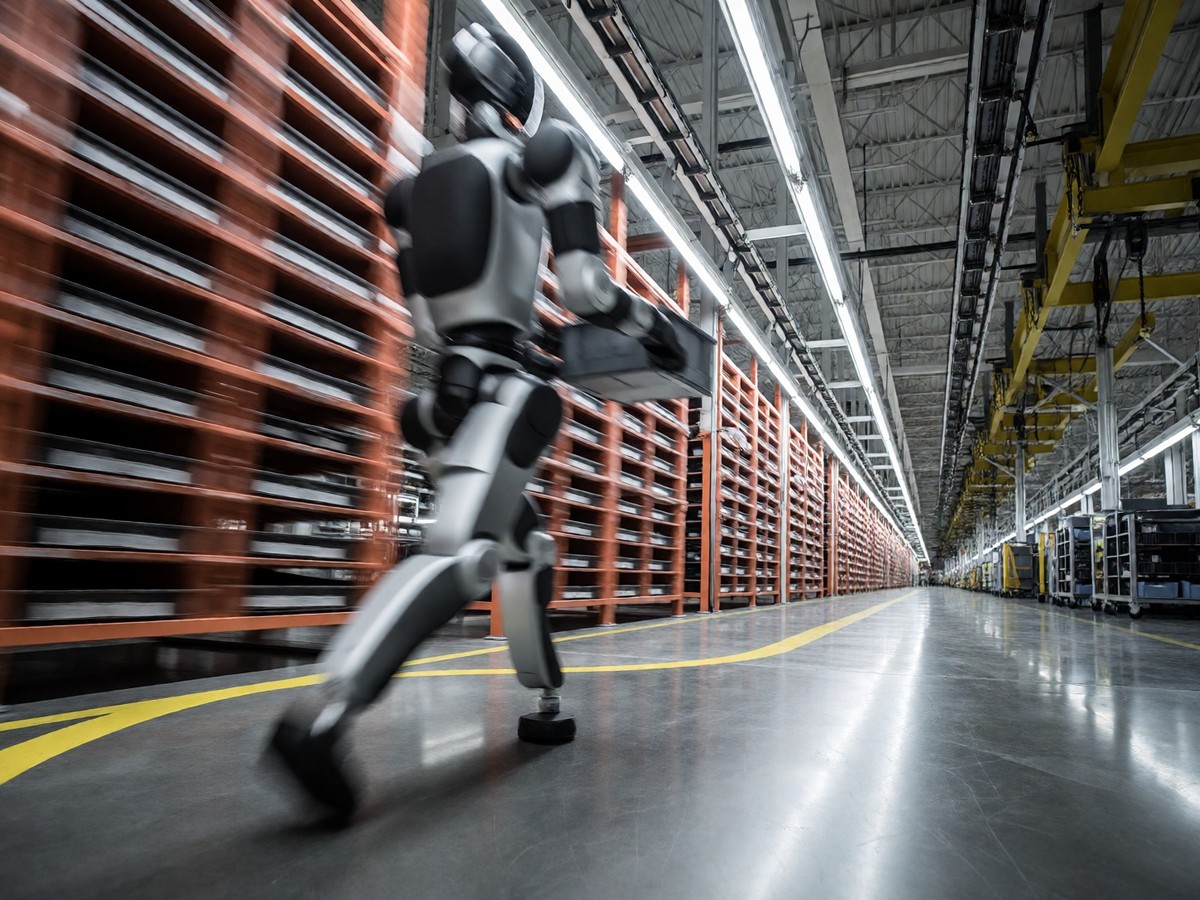
Figure AI robots completed an 11-month deployment at BMW’s Spartanburg plant in South Carolina. The Figure 02 models moved 90,000 components and helped produce 30,000 BMW X3 vehicles. These robots performed sheet-metal insertion for the welding process. BMW transitioned to the Figure 03 model in June 2026. This updated robot handles logistics sequencing by picking components from racks and placing them into trolleys. The Figure 03 uses a 2.3 kWh battery and carries 25% more payload than the Figure 02. It also uses 2 kW wireless charging via inductive pads in its feet. The robot moves at a walking speed of 1.2 meters per second. I favor Figure AI’s strategy of upgrading hardware during active deployment cycles. You already know that industrial reliability depends on constant iteration. The Figure 03 also uses palm cameras and fingertip pads that detect forces as low as 3 grams. These sensors help the robot handle delicate items. The deployment takes place in Hall 52 for just-in-time delivery. Figure AI raised $675 million in a Series C round at a $2.6 billion valuation. The Figure 02 itself weighs 70 kg and has 16 degrees of freedom in its hands. It can carry payloads up to 20 kg. The robots logged approximately 1,250 operating hours during the pilot. The transition from Figure 02 to the Figure 03 model at the Spartanburg facility demonstrates a rapid hardware iteration cycle that allows BMW to assign the new robots to logistics sequencing tasks after the initial sheet-metal deployment.
| Specification | Figure 03 | Tesla Optimus Gen 2 |
|---|---|---|
| Height | 5 ft 8 in | 5 ft 8 in |
| Weight | 61 kg | 73 kg |
| Payload | 25 kg | 20 kg |
| Runtime | 5 hours | 5 hours |
| Hand DoF | 16 | 11 |
Tesla’s manufacturing ramp struggles
Tesla’s Fremont factory now houses the first-generation production lines for the Optimus robot. The company decommissioned the Model S and Model X lines to make room for this new assembly. Tesla expects to start production soon, but the ramp remains slow. The company currently produces several hundred units per week. This volume falls short of the 1,000 units per week target. Manual assembly of the hand and forearm components causes frequent rework because each unit requires the installation of over 100 screws. Tesla has not yet revealed the Gen 3 design or a consumer price. I find the disconnect between Musk’s ambitious timelines and the actual factory output difficult to ignore. The company aims for a production capacity of 1 million robots per year in Fremont and 10 million units in Austin. Musk predicted production would start in 2023, but the company is only now seeing real volume. The current production rate is approximately ten times the rate from the second quarter. Tesla’s AI5 chip will initially go into Optimus to provide local intelligence. The company also plans to use the Tesla AI6 chip for future iterations. Milan Kovac resigned as head of the Optimus program in June 2025 and Ashok Elluswamy replaced him. This leadership change follows years of shifting projections, including a target of 5,000 robots in 2025 that the company missed. The production of Optimus Gen 3 depends on the development of the Tesla AI6 chip.
Comparing intelligence and hardware
Figure 03 uses the Helix VLA stack to learn tasks from human video. This architecture allows the robot to generalize actions across different environments. The robot relies on palm cameras to provide visual data to the Helix model. Tesla uses its own AI and focuses on the massive scale of its data collection. The Optimus Gen 3 has 22 degrees of freedom in its hands. Tesla aims to build the Optimus 4 in Austin with a capacity of 10 million units per year. Figure 03 is 61 kg and has a 25% greater payload capacity than the Figure 02. I recommend Figure AI for immediate industrial application due to its proven deployment at BMW. Will Tesla’s hardware delays eventually stall its data collection ambitions? The Figure 03 height is 5 feet 8 inches and its weight is 61 kg. The Figure 02 was 168 cm tall and weighed 70 kg. The Figure 03 introduces soft washable textiles to replace the hard shells of previous models. This design allows for easier maintenance through fabric swaps. Figure 03’s battery capacity is 2.3 kWh. The Figure 03’s hands include an embedded wide-angle, low-latency camera in each palm. These cameras feed the Helix VLA model directly via 10 Gbps mmWave offload.