
physical intelligence
-
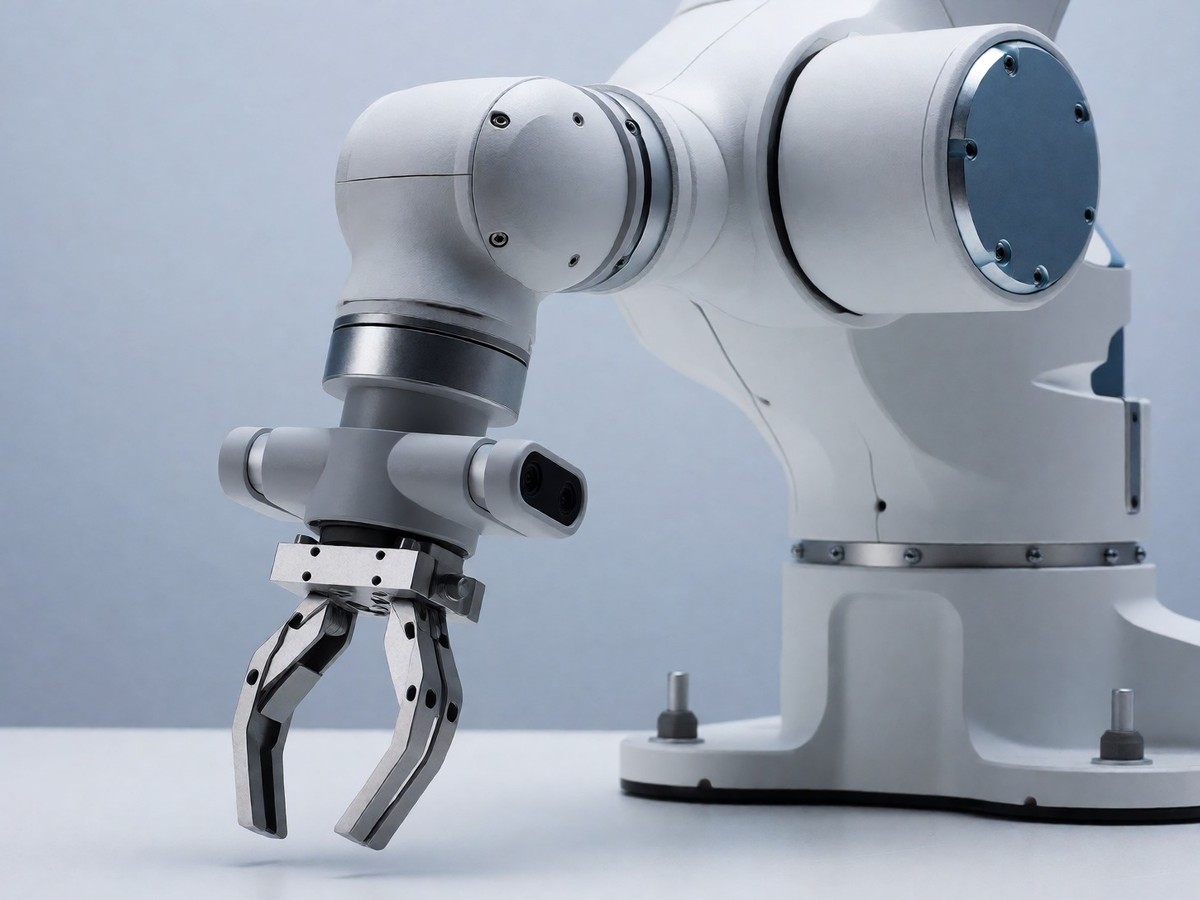
Physical Intelligence π0.5 generalist robot policy explained
Physical Intelligence’s 3.5 billion parameter π0.5 model uses a vision-language-action architecture to perform complex manipulation tasks. The system achieves a 98.9% success…
-
Physical Intelligence’s pi0 vision-language-action model explained
Physical Intelligence’s pi0 model uses a 3.3 billion parameter transformer to combine visual perception with continuous motor control. Trained on 10,000 hours…
-
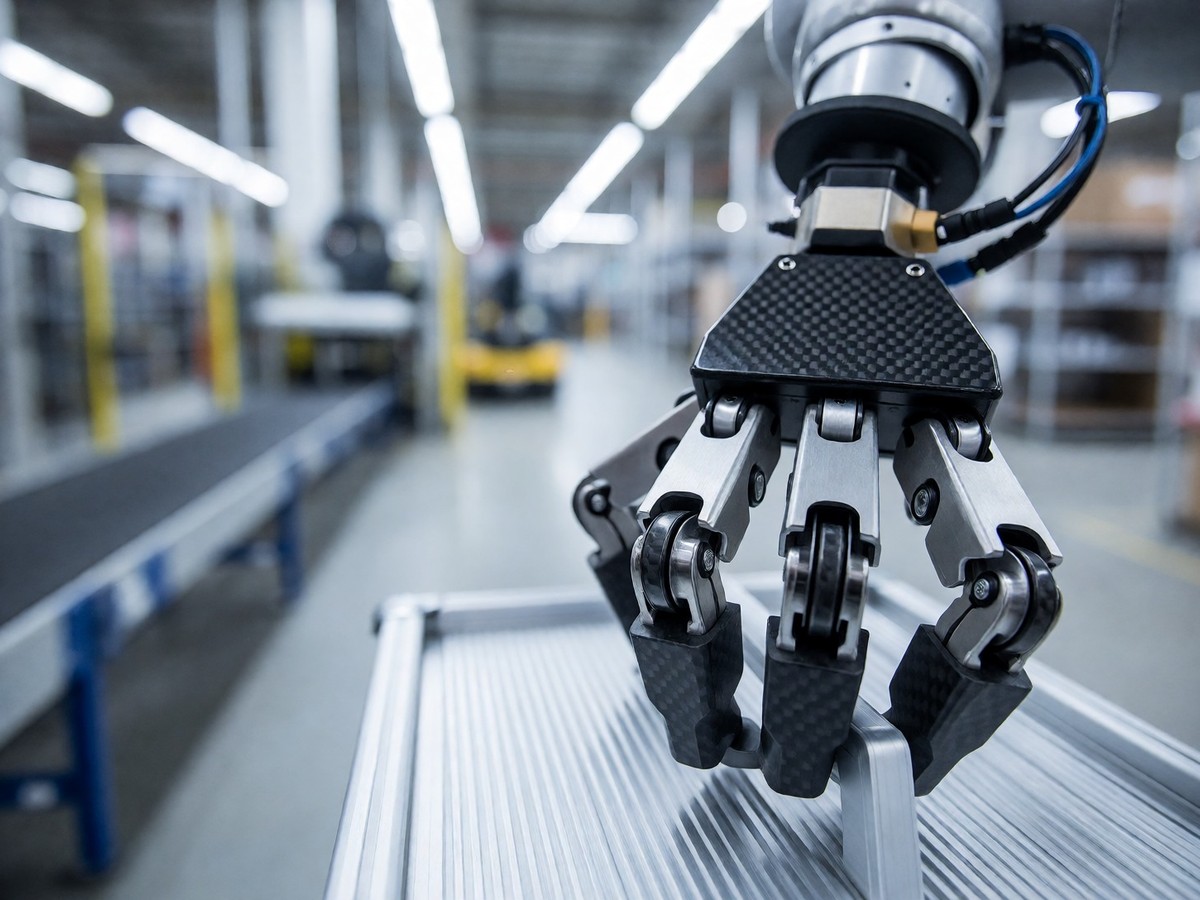
Physical Intelligence funding and Toyota robotics manufacturing pilots
Physical Intelligence secured an $11 billion valuation to develop its pi 0 foundation model for diverse robot types. Meanwhile, Toyota plans to…
-
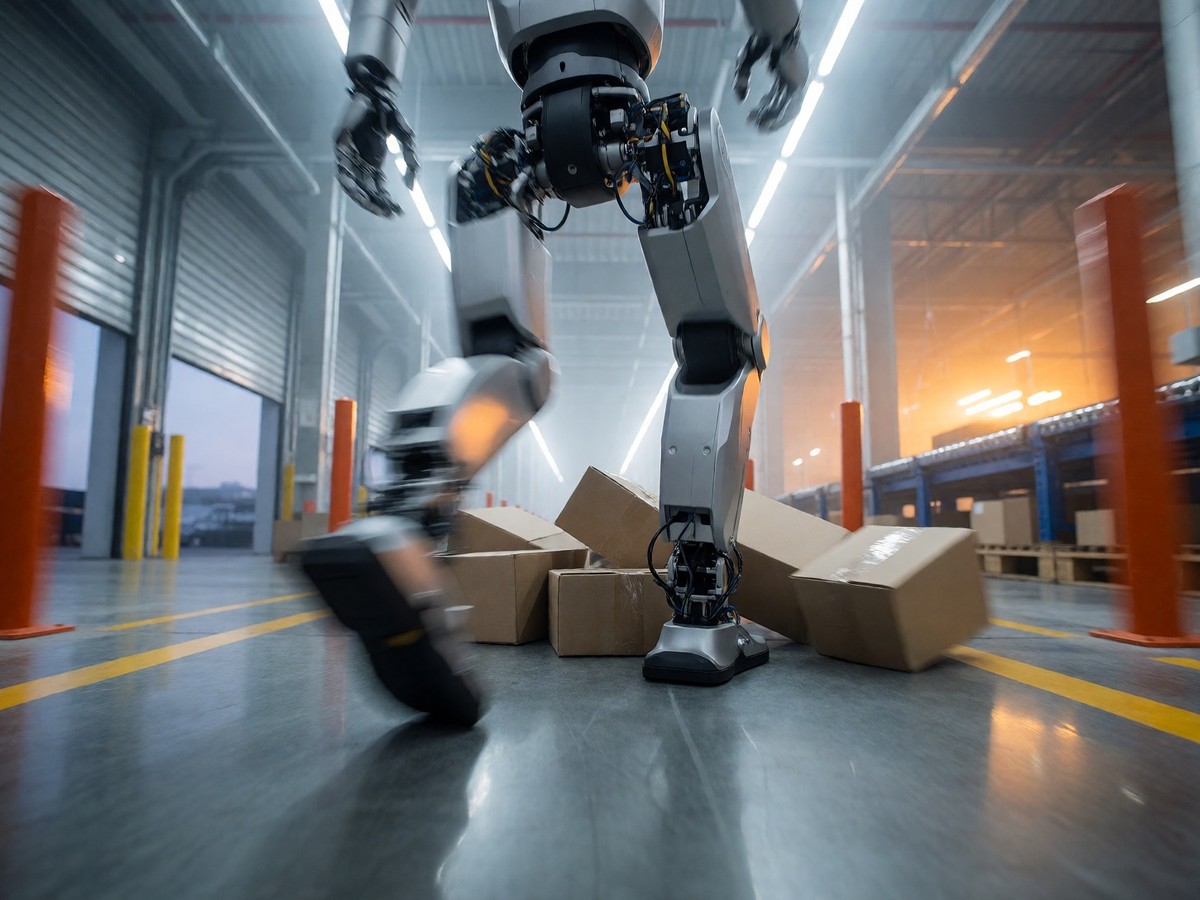
Skild AI scales physical intelligence through the Skild Brain
Skild AI has reached a $14 billion valuation following a $1.4 billion funding round led by SoftBank. The company’s Skild Brain foundation…
-
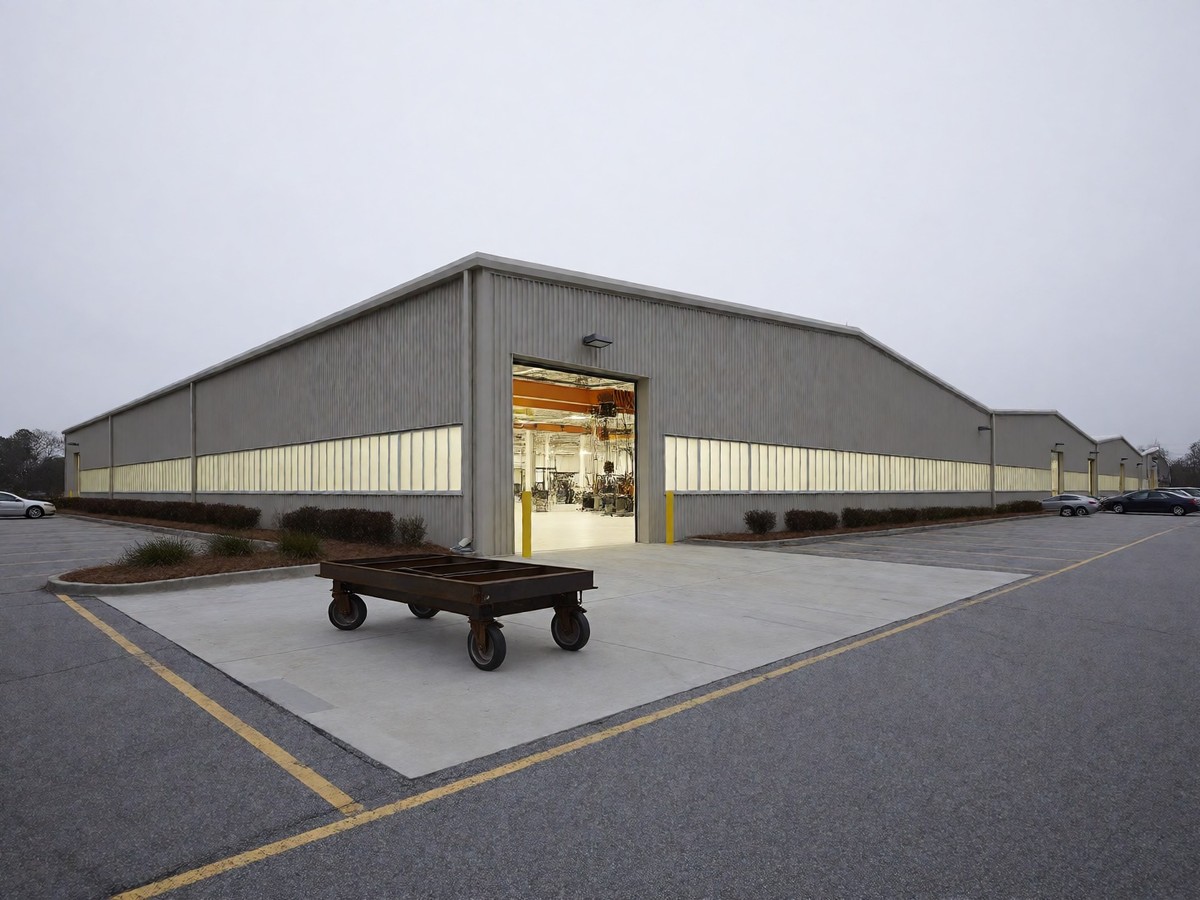
Physical Intelligence pi0 model and Figure 03 at BMW
Physical Intelligence reached a $5.6 billion valuation after a $600 million Series B, while Figure AI deployed its Figure 03 humanoid at…
-
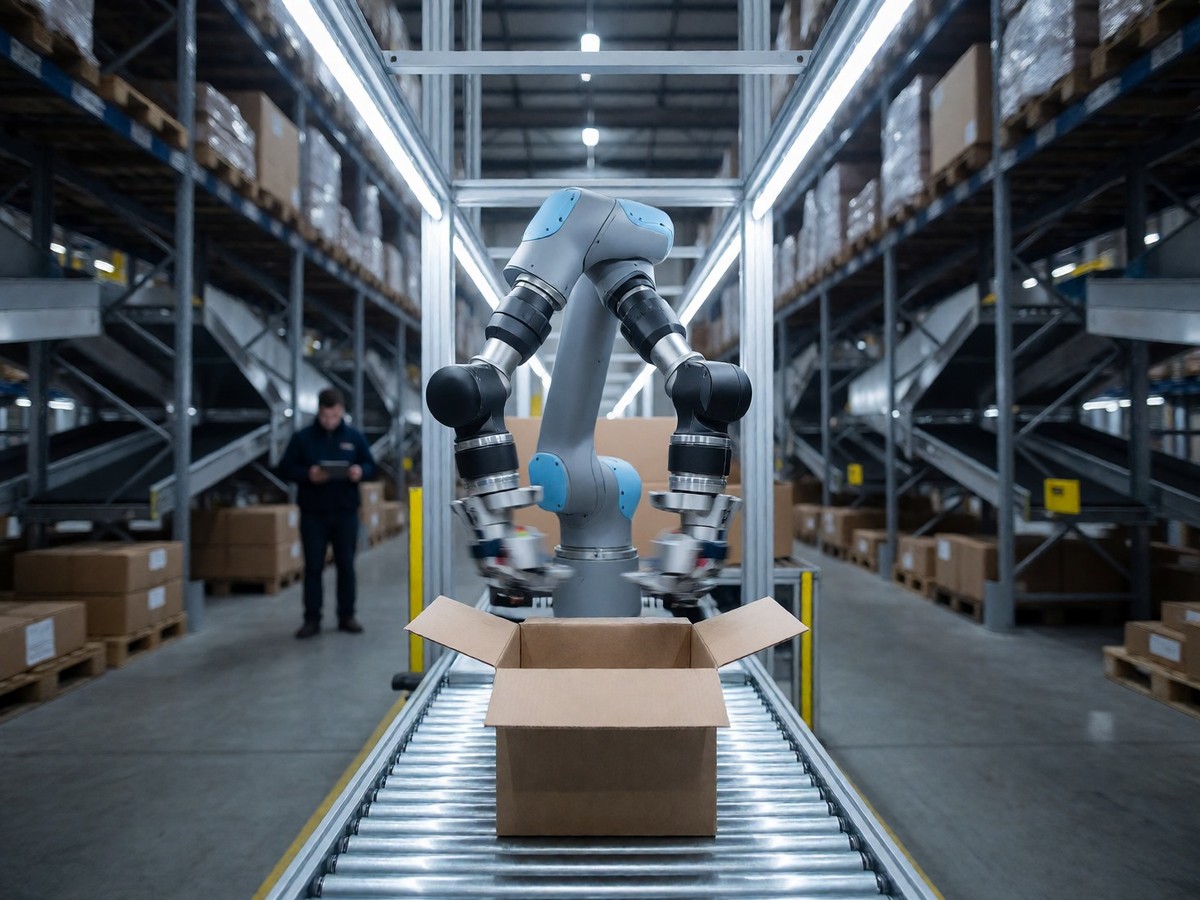
Physical Intelligence Pi API and pi0 model capability
Physical Intelligence utilizes a 3 billion parameter PaliGemma backbone and a 300 million parameter Action Expert to power its pi0 model. The…
-

Nvidia Jetson Thor hardware and the shift toward physical AI
Nvidia’s Jetson AGX Thor delivers 2,070 FP4 teraflops of compute to accelerate physical AI development. Early adopters including Amazon Robotics and Boston…
-
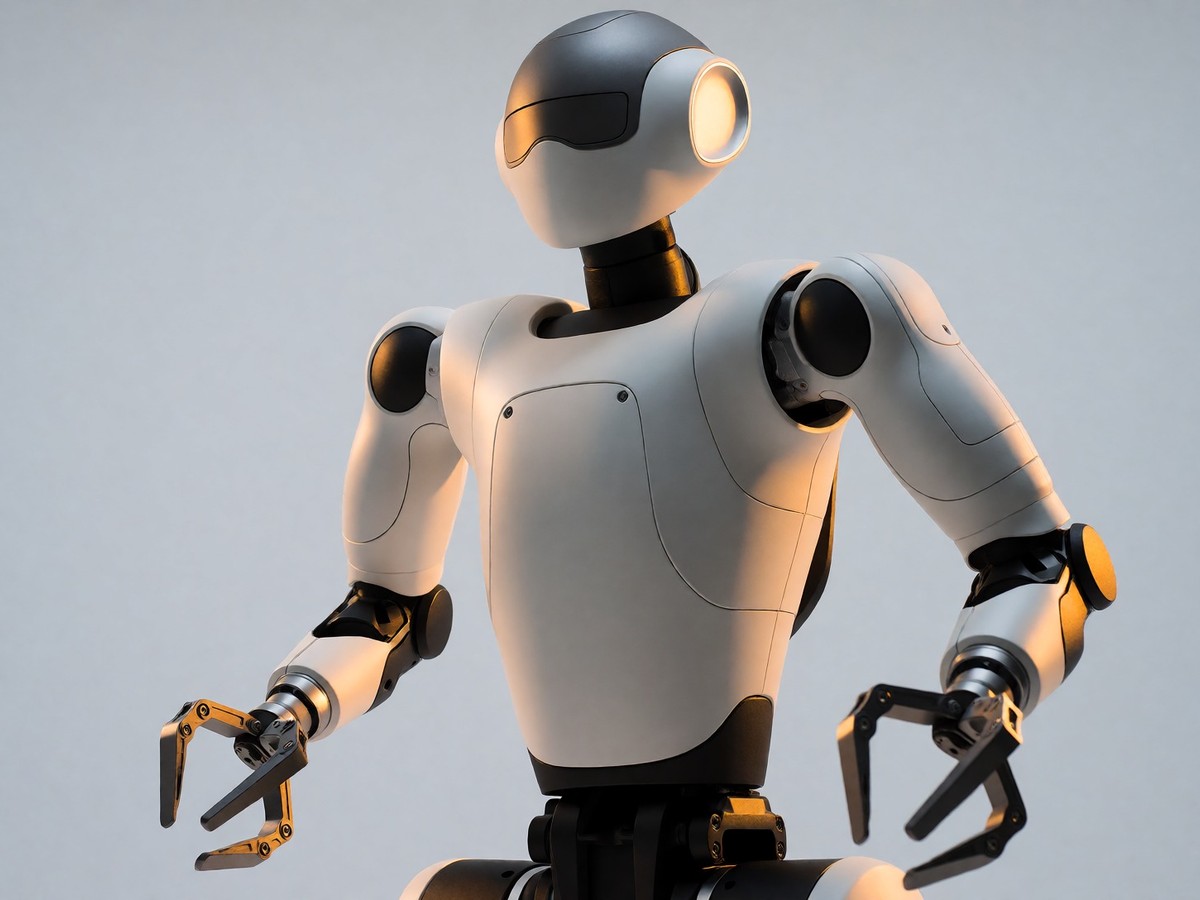
The capital and intelligence race in physical AI
Physical Intelligence negotiates an $11 billion valuation as Figure AI deploys its Figure 02 robot to handle 90,000 components for BMW at…
-
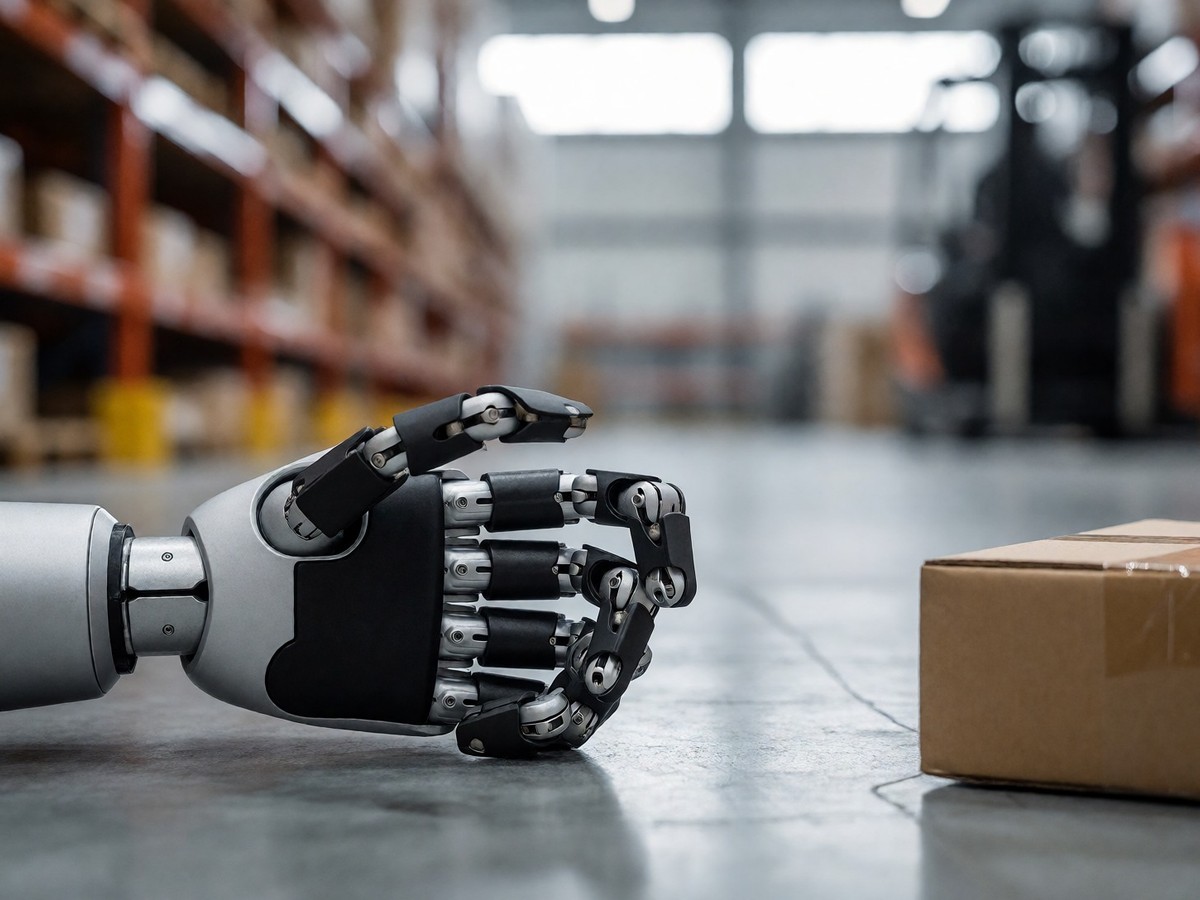
Physical Intelligence vs hardware giants Figure and Tesla
Physical Intelligence uses its pi0 model to achieve 99.9% reliability in robotic tasks. While Figure 02 targets enterprise buyers with a $50,000…
-
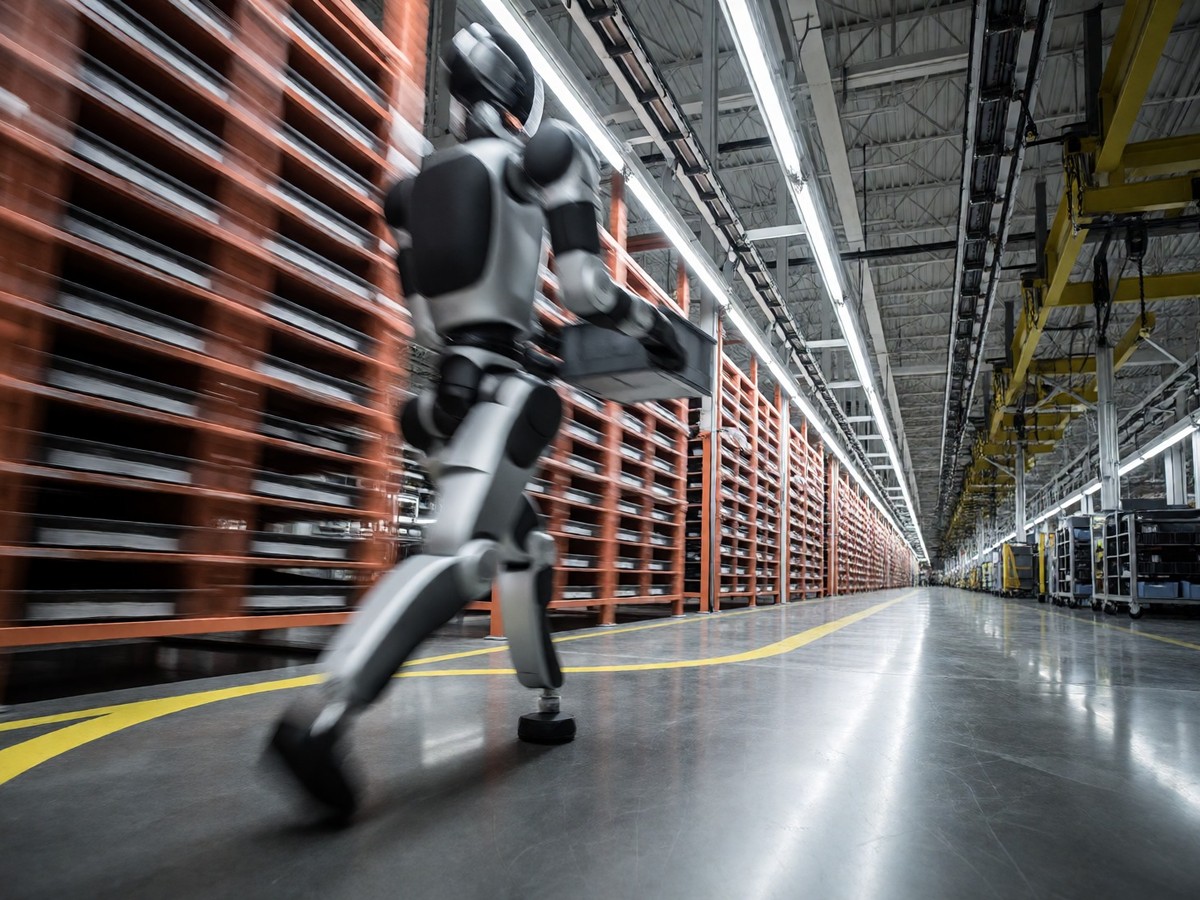
Figure AI leads with BMW deployment
Figure AI robots completed an 11-month deployment at BMW’s Spartanburg plant, moving 90,000 components to help produce 30,000 X3 vehicles. The transition…
-
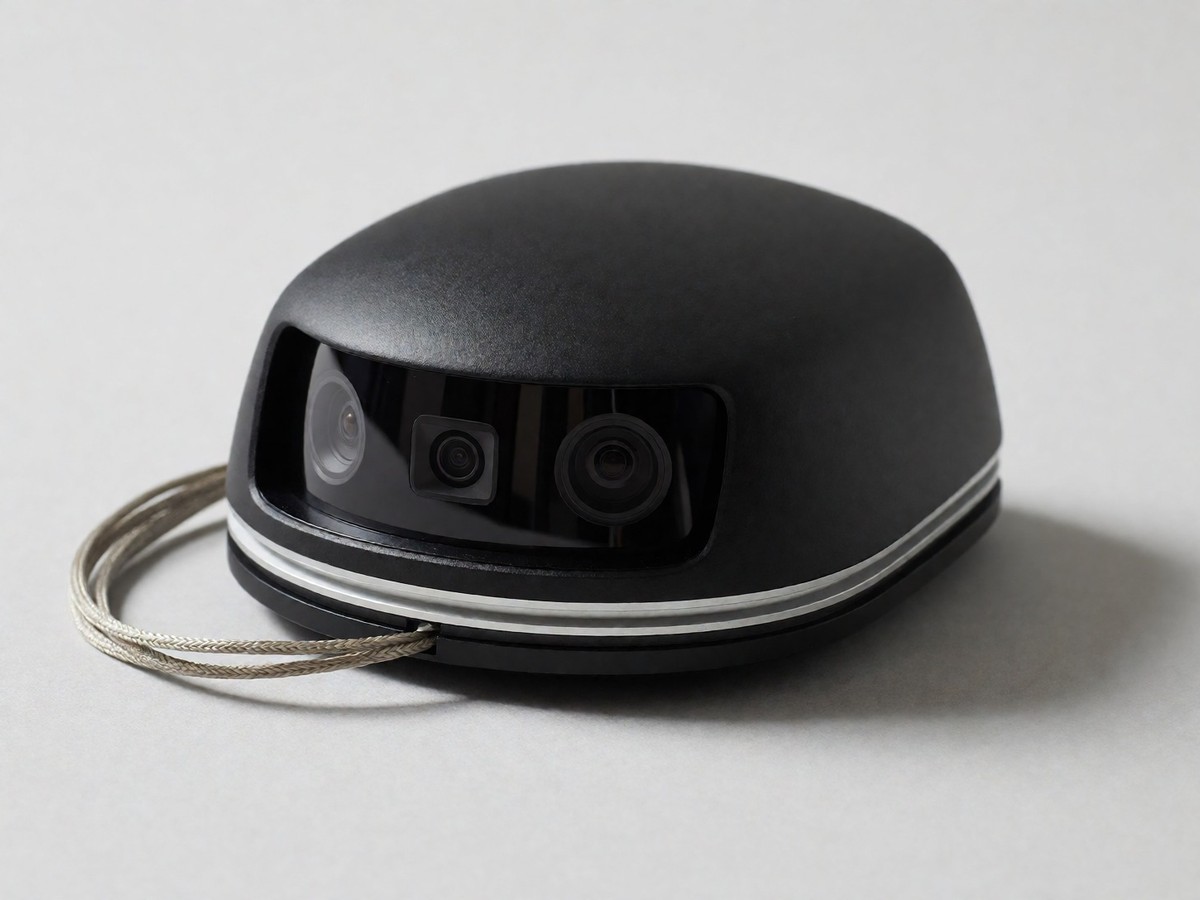
The economics of Wayve’s $1.8B autonomous driving model
Wayve utilizes an embodied AI model to sell hardware-agnostic software to automakers, contrasting with Mobileye’s integrated hardware and software packages. Wayve holds…
-
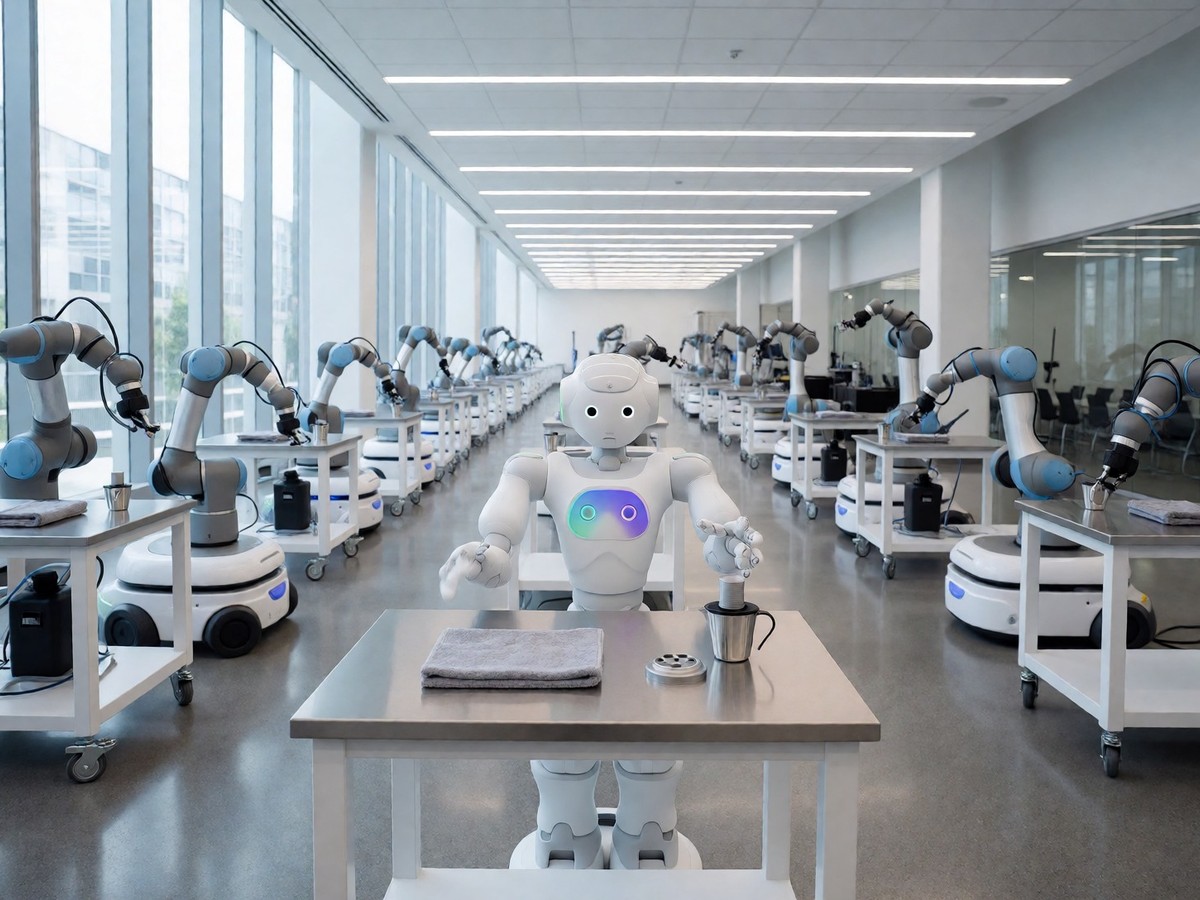
The economics of Physical Intelligence’s pi0 robot foundation model
Physical Intelligence’s pi0 model reduces new robot task application costs to $10,000, significantly undercutting traditional custom programming. This 3 billion parameter model…