Physical Intelligence produces pi 0 as a 3.3 billion parameter transformer. The model uses a PaliGemma vision-language backbone and a 300 million parameter action expert. This architecture combines visual perception and language understanding with continuous motor control. The input consists of two or three RGB images, the language instruction, and the proprioceptive state of the robot. The action expert generates a chunk of 50 future actions through flow matching. This method uses 10 integration steps to transform noise into a plausible action sequence. This capability allows for control frequencies of up to 50 Hz. Unlike earlier models that used discrete action tokenization, pi 0 predicts continuous trajectories. The action expert works through cross-attention with the language model output to refine the action sequence. The vision backbone uses a SigLIP encoder to process 16×16-pixel patches from each camera image. The action expert is a transformer decoder that maps the latent representation to joint or end-effector targets. The model learns a conditional velocity field to navigate from random noise to a valid action distribution.
Training data and the scaling of robot skills
The training process uses a two-stage recipe. First, the model undergoes pretraining on a massive mixture of 10,000 hours of robot data across seven robot configurations and 68 tasks. This mixture also contains open-source datasets like Open X-Embodiment, Bridge v2, and DROID. The training mixture includes over 10,000 hours of data from seven different robot configurations and 68 tasks, alongside open-source datasets such as Open X-Embodiment, Bridge v2, and DROID. Second, post-training fine-tunes the model on smaller, high-quality datasets for specific tasks. You should realize that this scale allows the model to control many different robot bodies. The pi 0.5 version increases generalization to unseen homes and offices by using heterogeneous data sources. This model handles tasks like cleaning kitchens or organizing objects based on contextual understanding. One experiment showed the model could use an air fryer to cook sweet potatoes despite having almost no experience with the device. The training uses a mixture of proprietary dexterous manipulation data and public datasets. A later version, pi 0 FAST, uses a Flow matching Action Space Tokenizer to compress continuous actions. This version allows for training that is approximately five times faster than diffusion-based approaches. Can the model eventually handle tasks in environments that share no similarities with its training data?
Performance limits and hardware constraints
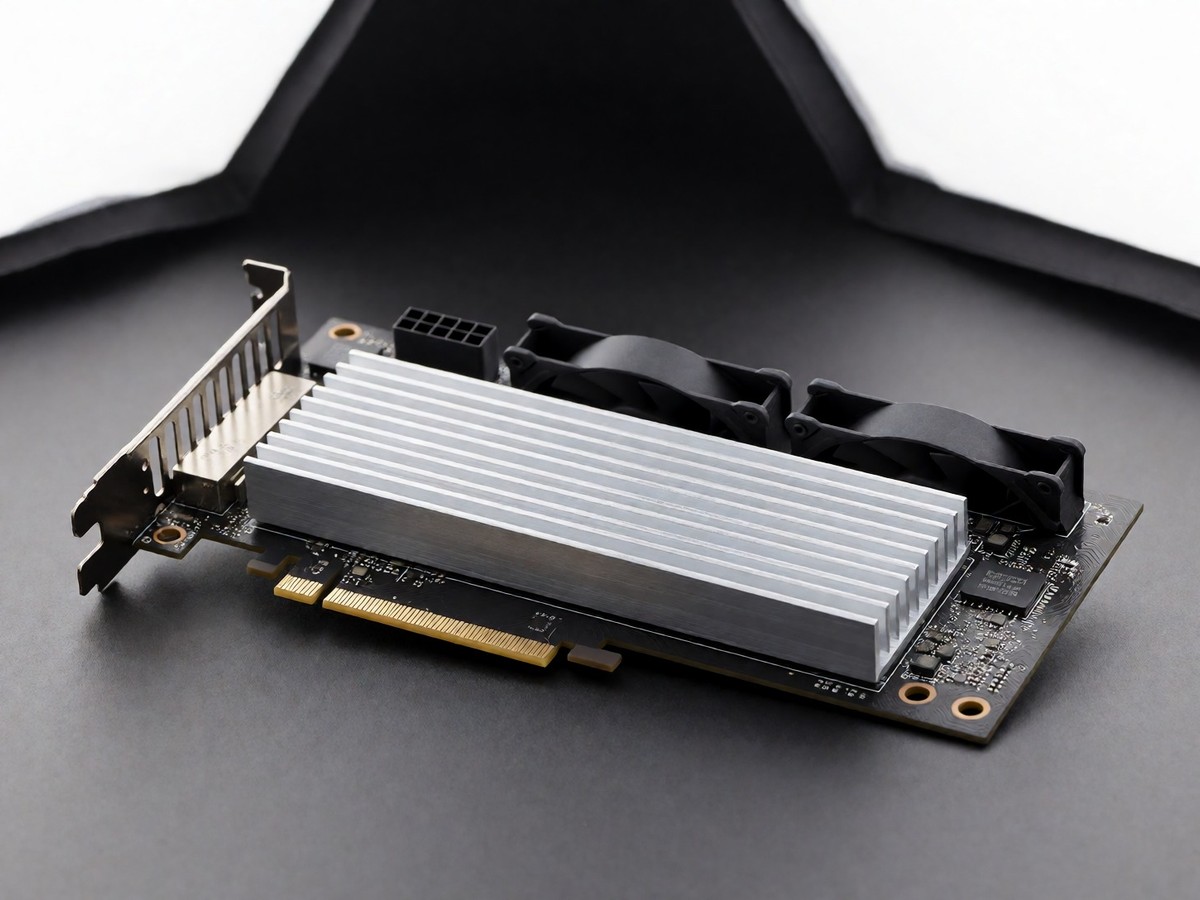
pi 0 performs better than baselines like OpenVLA and Octo in various task evaluations. It successfully manages tasks like laundry folding, table bussing, and grocery bagging. I consider pi 0 a successful attempt to apply foundation model scaling to physical robotics. However, the model fails to work reliably on all tasks, and success rates on complex behaviors remain far from commercial grade. The engineers note that the best data mixture and the amount of data needed for perfect performance remain unknown. Hardware requirements stay high for real-time execution. Running the model on an Nvidia RTX 4090 takes 73 milliseconds and draws 450 watts. A Jetson Thor module consumes 120 to 130 watts but lacks the thermal headroom for many embedded devices.
| Component | Specification |
|---|---|
| Total Parameters | 3.3 billion |
| Vision Backbone | PaliGemma (3 billion) |
| Action Expert | 300 million |
| Action Horizon | 50 steps |
| Control Frequency | 50 Hz |
| Inference Hardware | Nvidia RTX 4090 |
| Inference Latency | 73 ms |
| Power Draw | 450 W |