Massive scale versus single-tenant security
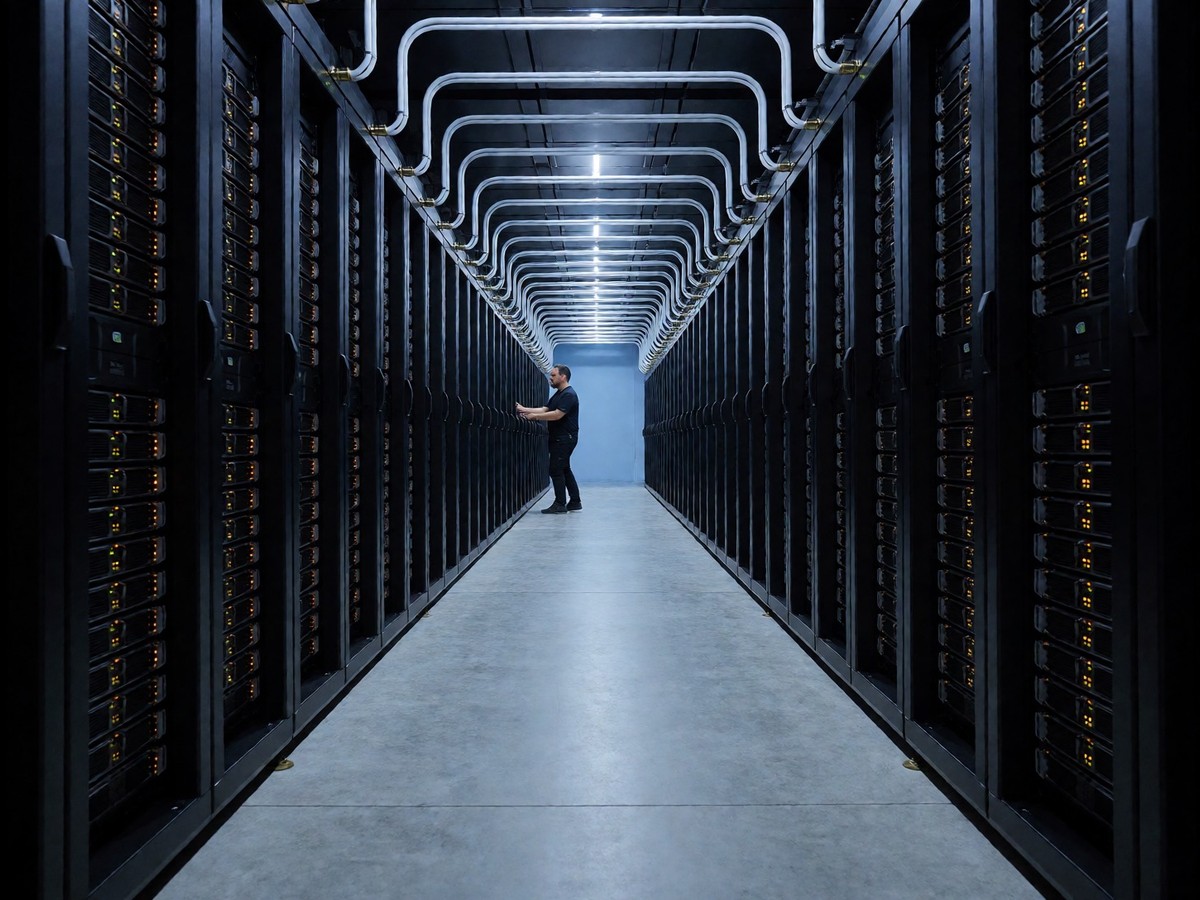
SpaceXSI operates the Colossus cluster, the world’s largest data center. The Memphis, Tennessee facility reached operational status in December 2024 after a 122-day construction period. SpaceXSI plans to expand this supercomputer to include at least 1 million graphics processing units and nearly 2 gigawatts of compute power. This massive expansion follows the December 2025 purchase of a third building in Memphis to increase training capacity. However, I find the legal troubles at Colossus 2 difficult to ignore. In July 2026, Reuters reported that 59 natural gas turbines at the site lacked necessary federal air permits. These reports led the NAACP and other civil rights groups to sue SpaceXSI in April 2026, alleging illegal operations in predominantly Black communities. Local officials also voiced concerns regarding the 150 megawatts of power used at peak. To manage the load, the company deployed 14 VoltaGrid portable methane-gas powered generators. SpaceXSI customers include Anthropic, Google, and Reflection AI. The company also manages the Grok family of language, image, and video models. The founding team included researchers like Jimmy Ba, Zihang Dai, Kyle Kosic, Manuel Kroiss, Ross Nordeen, Toby Pohlen, Christian Szegazy, Yuhuai Wu, Greg Yang, and Guodier Zhang. SpaceXSI, founded in March 2023 as xAI, underwent significant restructuring when SpaceX acquired it in February 2026 for $250 billion. The company rebranded as SpaceXAI in July 2026 and later became SpaceX Super Intelligence in October 2026. The company manages the Grok family of models, including the Grok-3 model with its reflection feature. The Grok-1.5 model, announced in March 2024, provided improved reasoning capabilities and 128,000 tokens of context length.
Specialized hardware and managed infrastructure
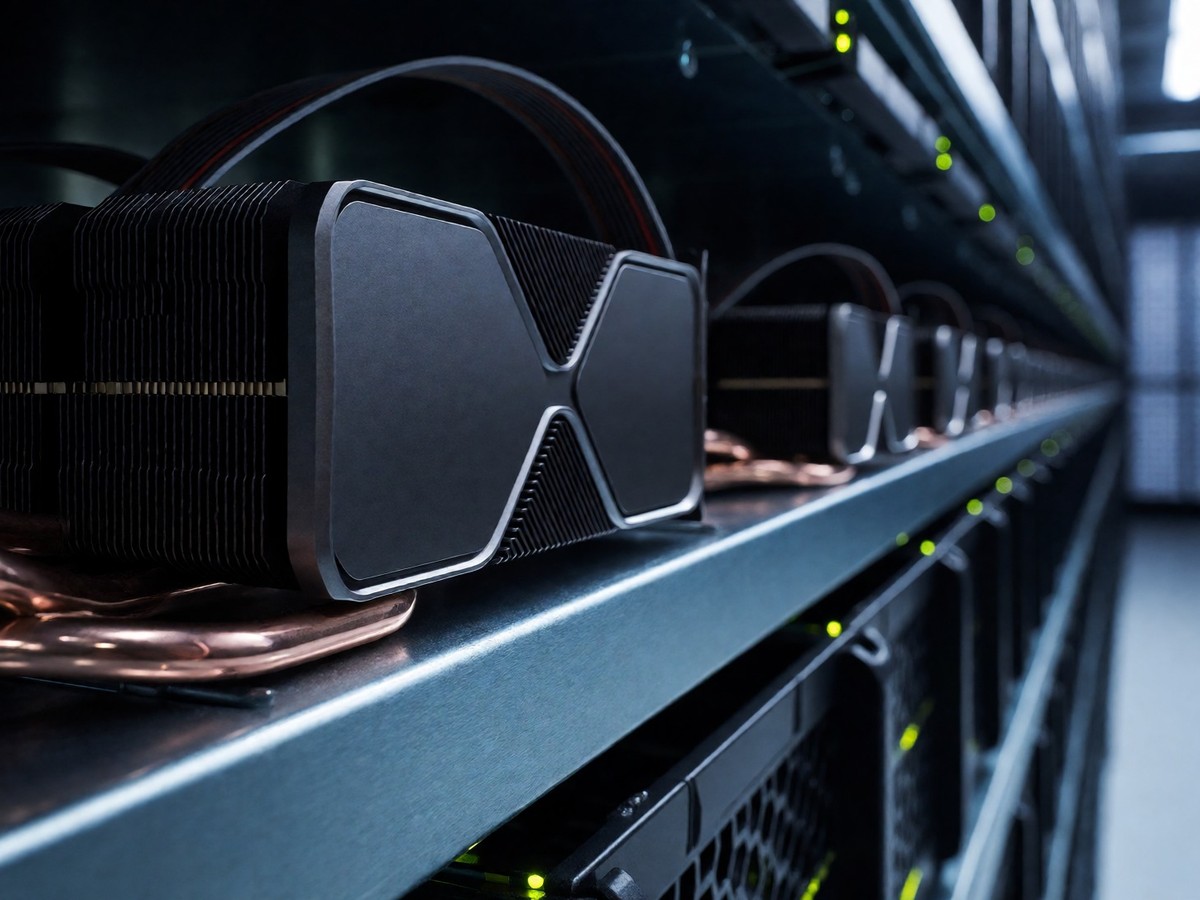
Lambda provides high-density power and liquid cooling within its complete AI campuses. Their infrastructure supports training foundation models and serving billions of tokens on dedicated, single-tenant systems. By utilizing NVIDIA GB300 NVL72 clusters alongside production-ready NVIDIA HGX B200 and H100 GPU clusters, Lambda maintains a competitive edge. These clusters use NVIDIA Quantum-2 InfiniBand to provide high performance. I notice that Lambda focuses heavily on security through its single-tenant, shared-nothing architecture, which provides hardware-level isolation and meets SOC 2 Type II certification standards. Lambda also offers managed clusters and co-engineering from a team building infrastructure for the largest AI labs. Their mission aims to make compute as ubiquitous as electricity, following a "One Person, One GPU" philosophy. Lambda, which started in San Francisco in 2012, emphasizes serving customers with high-quality products at a low price. They work backward from the customer experience to build products that delight their users. Lambda builds its reputation on providing high-quality products at a low price, and the company focuses on the mission of giving everyone the power of superintelligence.
| Feature | Lambda Cloud | SpaceXSI Colossus |
|---|---|---|
| Primary GPU Options | NVIDIA HGX B200, H100 | 1,000,000 GPUs (planned) |
| Advanced Clusters | NVIDIA GB300 NVL72 | Not specified |
| Connectivity | NVIDIA Quantum-2 InfiniBand | Not specified |
| Security Standard | SOC 2 Type II | Not specified |
| Power Solution | Liquid cooling | 2 gigawatts (planned) |
The startup decision
I see a clear divide between the massive, centralized scale of the Colossus cluster and the specialized, single-tenant focus of Lambda. I find that startups requiring strict regulatory compliance and hardware-level isolation should definitely prioritize the managed services at Lambda over the massive, controversial infrastructure that SpaceXSI maintains within its Memphis data center operations to avoid the legal issues seen with Colossus. For a startup aiming to train foundation models at the largest possible scale, Colossus provides a level of compute that Lambda cannot match. However, the regulatory risk remains a heavy burden for any organization tied to the Memphis site, especially given the recent lawsuits. If you already understand the trade-off between scale and security, the choice becomes clear. Do startups have the legal resources to manage the environmental lawsuits facing SpaceXSI?