The hardware shift
Elon Musk ordered the closure of the Dojo supercomputer team, which led to the departure of team leader Peter Bannon. The company reassigned the remaining Dojo workers to other data center and compute projects within Tesla. This reorganization follows a year of restructuring including thousands of job cuts and the departure of executives like Milan Kovac, the head of engineering for Optimus, and David Lau, vice president of software engineering. Musk aims for an integration strategy across his business empire, which includes the $33 billion acquisition of the social media platform X to bolster chatbot training. He targets the development of inference chips for vehicles and Optimus robots. About 20 workers left to form DensityAI, a startup led by Ganesh Venkataramanan, Bill Chang, and Ben Floering. DensityAI functions as a provider of hardware and software for robotics and the automotive sector. Morgan Stanley analysts previously valued the Dojo supercomputer at $500 billion. Tesla now relies on external partners like Nvidia, AMD, and Samsung to meet its compute needs. The company signed a $16.5 billion deal with Samsung for AI6 production. Samsung will use its factory in Taylor, Texas, to manufacture these chips for Full Self-Driving and Optimus.
Scaling with inference chips
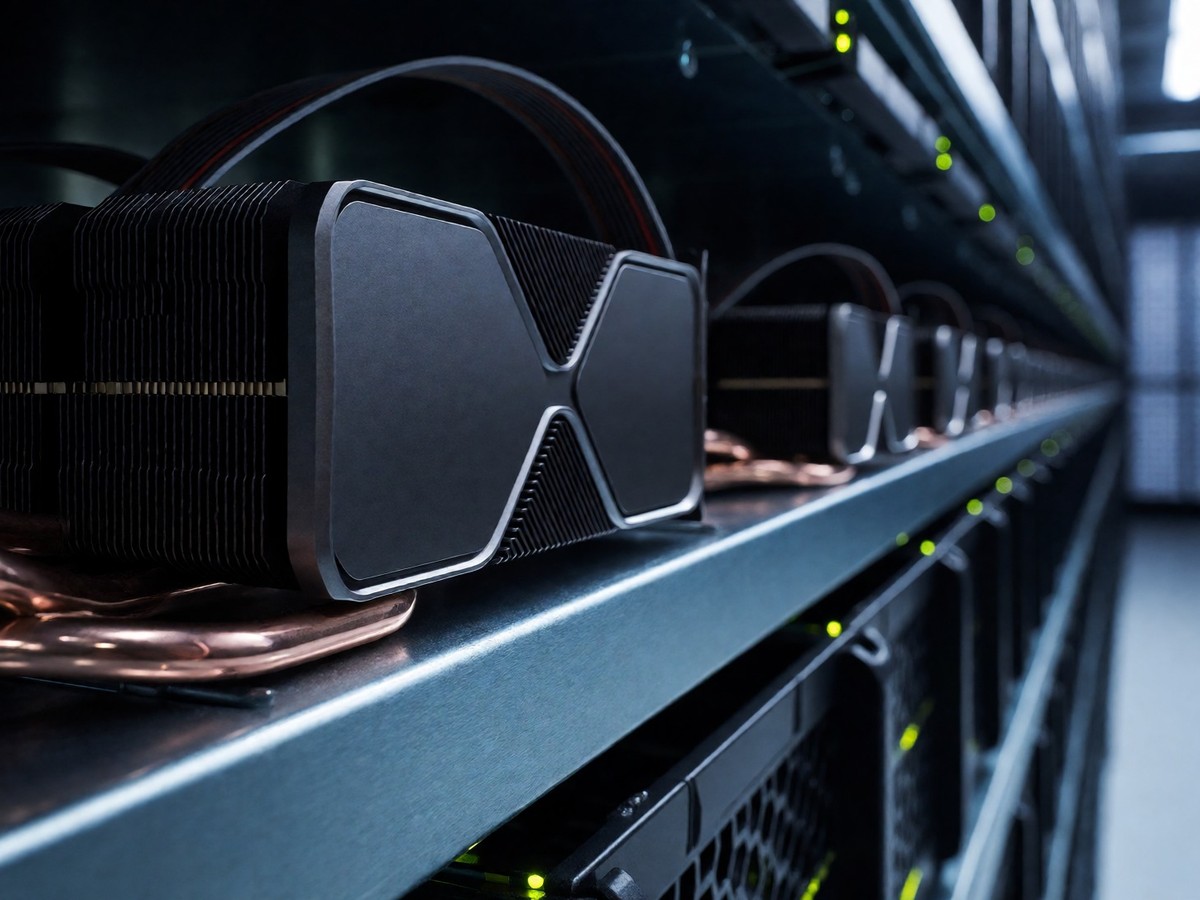
Tesla relies on external partners like Nvidia, AMD, and Samsung to support its AI infrastructure. The company signed a $16.5 billion deal with Samsung for AI6 production. Samsung will use its factory in Taylor, Texas, to manufacture these chips for Full Self-Driving and Optimus. This scale of production also supports data centers. You probably already know that AI training requires massive power, but Musk plans to bypass terrestrial limits with Dojo3. This project focuses on "space-based AI compute" using SpaceX’s Starship to launch compute satellites. These satellites could harvest solar power 24/7 in orbit.
| Component | Manufacturer | Primary Application |
|---|---|---|
| AI5 Chip | TSMC / Samsung | Autonomous driving, Optimus |
| AI6 Chip | Samsung | FSD, Optimus, Data centers |
| Dojo3 | In-house | Space-based AI compute |
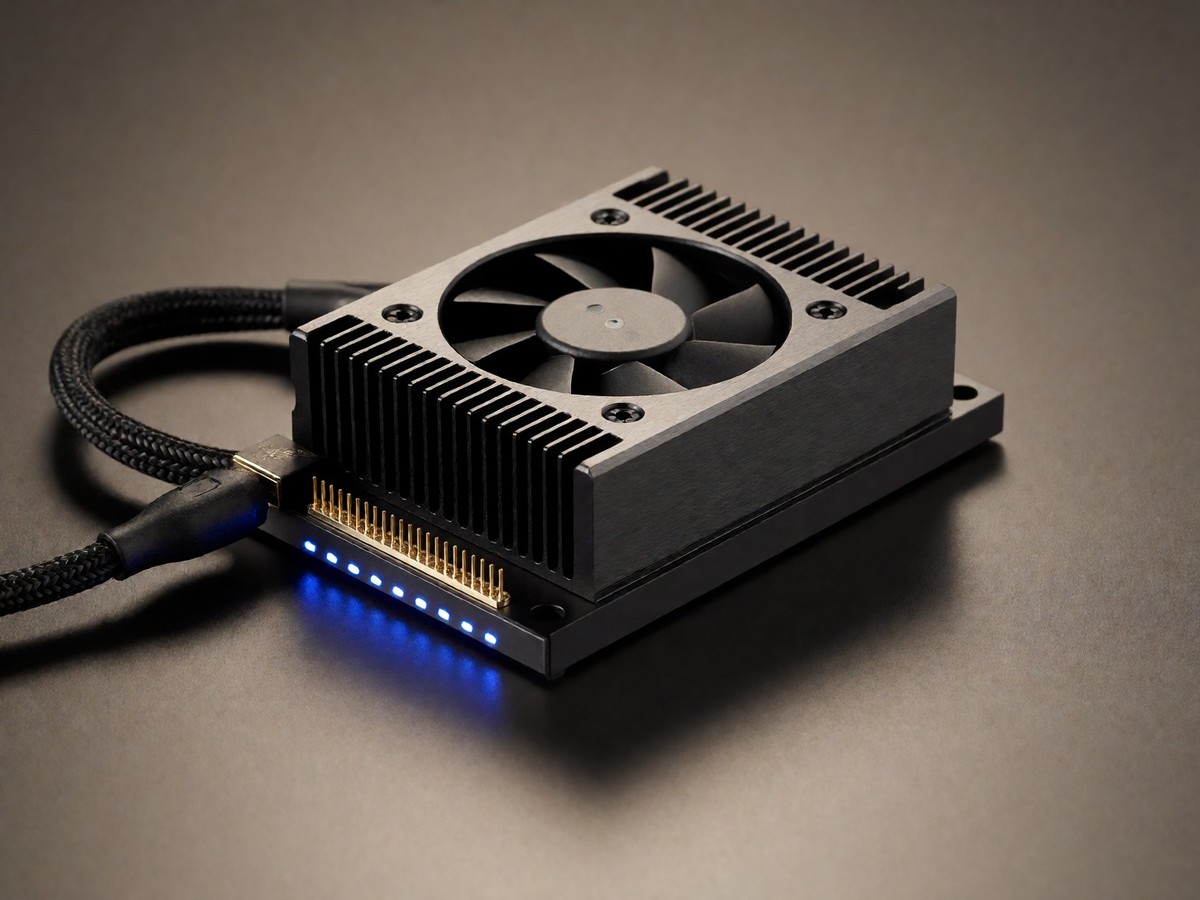
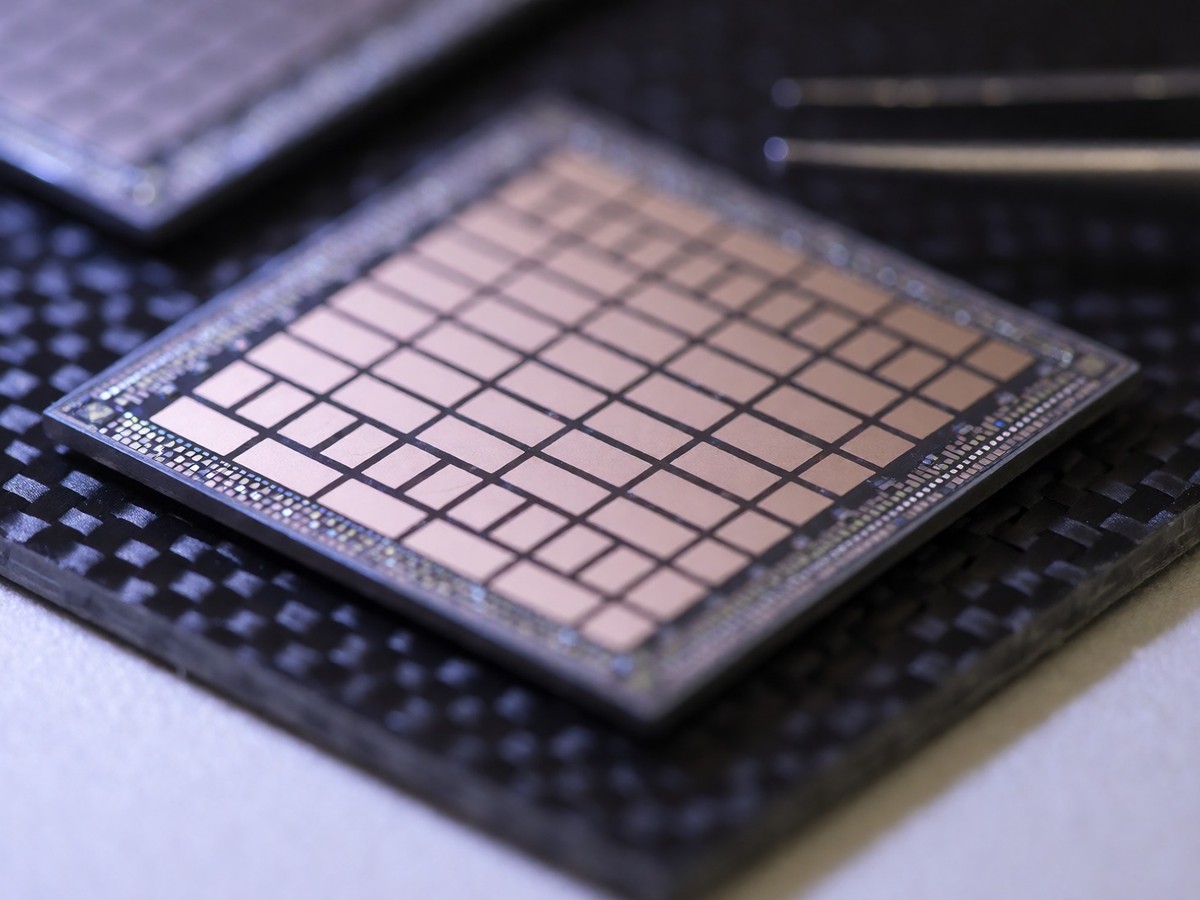
Tesla expects the AI5 chip to deliver 40 times better performance than the current AI4 hardware and provides the massive computational headroom necessary to process the vast video datasets required for full autonomy. Musk suggests that placing many AI5 or AI6 chips in a cluster creates a platform he calls Dojo 3. He expects AI5 and AI6 chips to be excellent for inference and good for training. AI5 production will begin at the end of 2026 via TSMC and Samsung.
Data demand and performance
The push for better training hardware follows inconsistent real-world performance from Full Self-Driving. AMCI Testing conducted a 1,000-mile evaluation of FSD versions 12.5.1 and 12.5.3, which showed 75 interventions, an average of one every 13 miles. This failure rate makes the system difficult to trust for safe operation. Robert Scoble used Autopilot for 97% of an 8,910-mile trip across 22 states and 15 US cities, yet his Model 3 struggled with bright sun and invisible road markings. His vehicle also mistook shadows for trucks and veered off course during hairpin turns at 30 mph. He found that driving faster than 90 mph pushed the hardware to its limits, requiring him to drop to 80 mph for a smoother ride. David Moss achieved a 20,000-mile FSD streak, including a 12,961-mile run across 30 states, which he tracked using the in-car streak counter that displays a confetti animation at 10,000 miles. However, snow and single-digit temperatures eventually forced his manual takeover in Wisconsin.
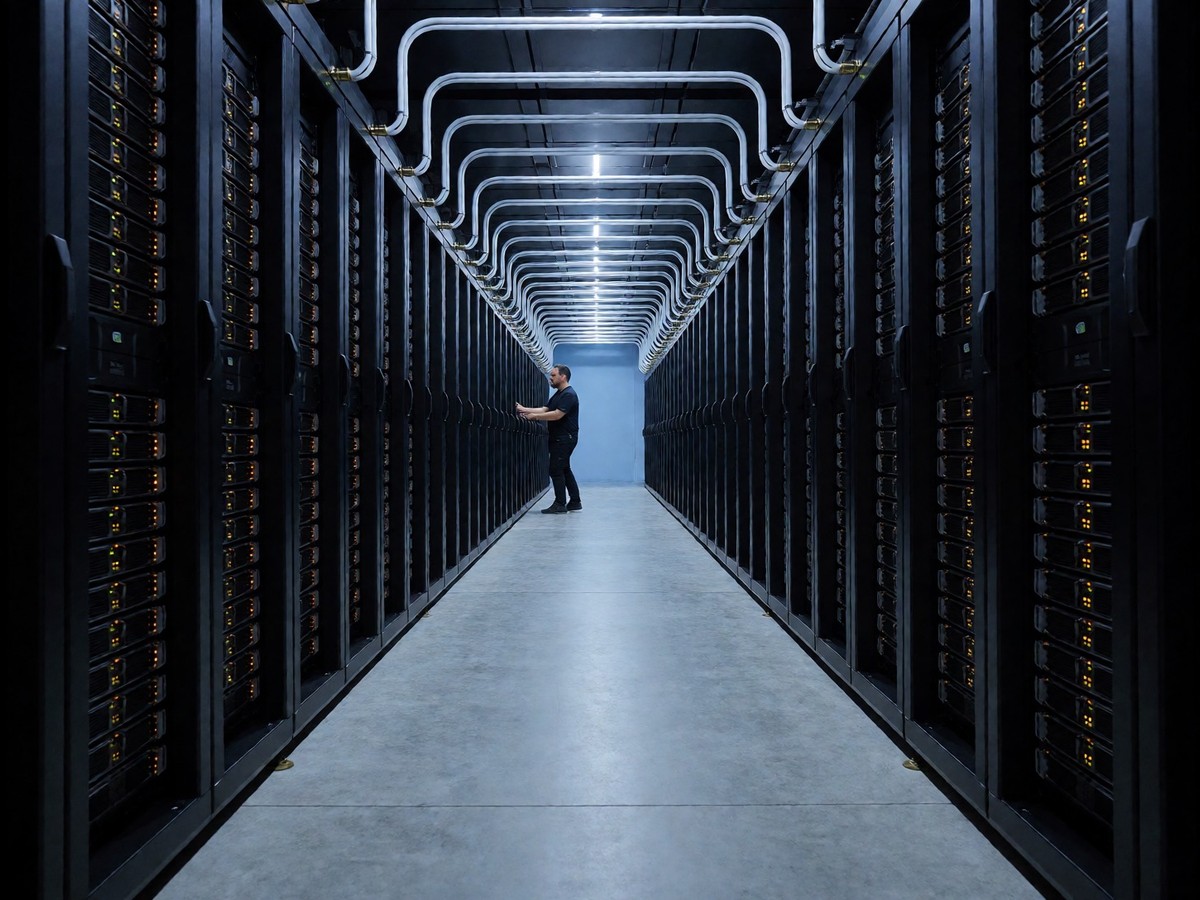
As AI data centers grow, they could consume enough power to match the energy usage of 150 million electric vehicles by 2030. Tesla Energy intends to meet this demand using Megapacks, which the company produces in its Lathrop, California factory. The Lathrop facility boasts an annual production capacity of 40 GWh. In the second quarter of 2024, Tesla Energy installed 9.4 GWh of energy storage products, an increase of 129% over the previous quarter. The cumulative storage deployment for the first half of 2024 totaled 13.5 GWh, which nearly matches the annual deployment total of 14.724 GWh from 2023. If Tesla successfully deploys space-based compute, will the software handle these terrestrial edge cases?