Financing through customer contracts
CoreWeave reported $3.66 billion in revenue for the third quarter of 2026, a 168 percent increase from the previous year. This revenue growth coincided with a $709 million net loss and $846 million in net interest expenses. As of June 30, 2026, the company held $35.1 billion in total debt, comprising $31.4 billion in recourse facilities and $3.7 billion in non-recourse facilities tied to hyperscaler contract commitments. I find the company’s pivot away from the unsecured debt market toward contract-backed financing quite aggressive. In August, the company closed a $2.6 billion DDTL 5.5 Facility specifically to support shorter-duration customer contracts. In April 2026, the company announced a multi-year agreement with Anthropic to provide Nvidia GPU capacity for production-scale Claude inference workloads and separately priced an upsized $3.5 billion convertible senior notes offering within 48 hours of a $21 billion Meta expansion. They also secured $8.5 billion in new financing in March 2026 using major AI infrastructure contracts with Meta Platforms as collateral. In January 2026, the company received $2 billion in investment from NVIDIA at a purchase price of $87.20 per share. The company’s financing history includes a $650 million credit line from Goldman Sachs, JPMorgan Chase, and Morgan Stanley in October 2024, a $650 million secondary share sale in November 2024, and $1.1 billion in funding led by Coatue Management in May 2024. The company also raised $1.5 billion through its largest AI-related listing on March 28, 2025, after reducing its initial IPO size from $2.7 billion to $1.5 billion. Expansion plans include a $1.2 billion data center lease in Kenilworth, New Jersey, signed in 2024.
Pricing megawatt capacity
CoreWeave scales capacity through customer prepayments and higher pricing for short-term commitments. Michael Intrator, the CEO, expects $9 billion in customer prepayments and deposits over the next three months. In the third quarter of 2026, CoreWeave signed short-dated customer contracts of three to six months. These deals command higher prices than long-term agreements.
| Contract Type | Annualized Revenue per Megawatt |
|---|---|
| Short-term (3-6 months) | ~$40 million |
| Long-term (4-5 years) | $20 million to $25 million |
CoreWeave grew its total contracted power to over 4.6 gigawatts by the third quarter, adding more than 900 megawatts since June 30. Early in the third quarter of 2026, the company added more than $25 billion in net new customer commitments, which do not appear in the revenue backlog as of June 30, 2026. You should notice that the revenue backlog reached $132.5 billion as of September 30, 2026. The company added more than 200 megawatts of active power this year, doubling its active footprint since the start of the year. Total contracted power rose from 3.7 gigawatts on June 30 to 4.2 gigawatts by August 11. The company raised prices across its offerings by about 25% in July and by another 10% later in the quarter. CoreWeave expands its physical footprint through projects like the $6 billion AI data center in Lancaster, Pennsylvania, announced in July 2025, and the three new data centers in Indonesia announced in August 2026. The company also partnered with the Indian conglomerate Adani Group for a facility in Navi Mumbai in October 2026. Will these higher prices for short-term capacity hold if the AI demand cools?
Infrastructure and hardware scale
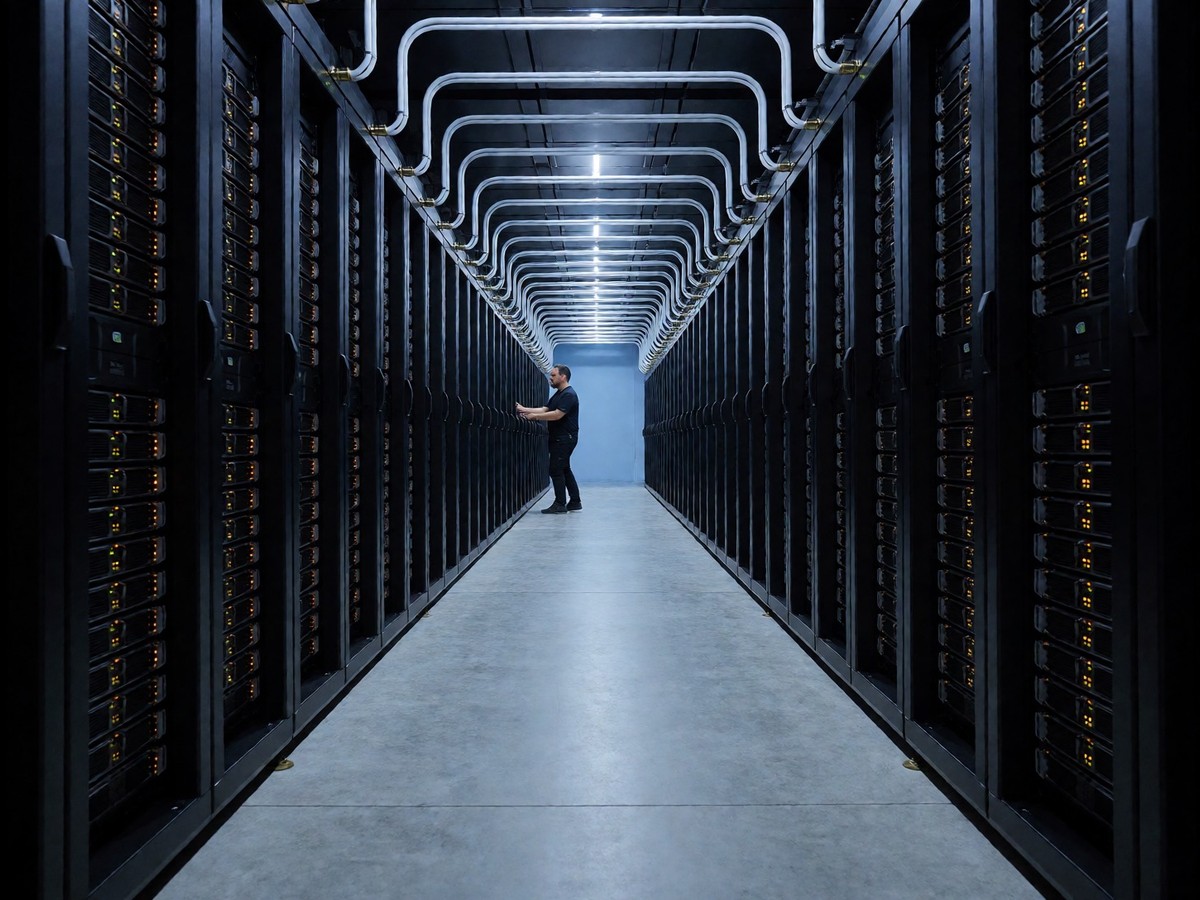
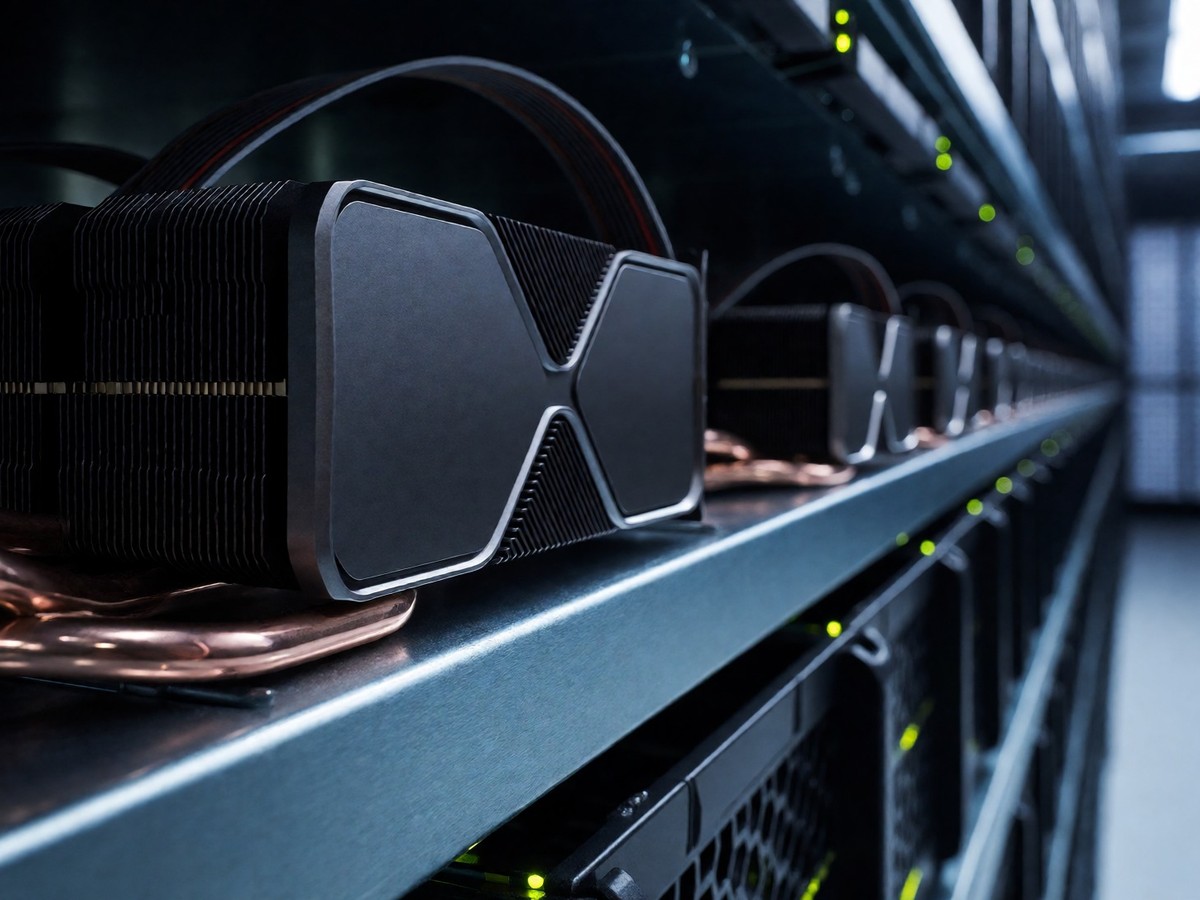
CoreWeave manages a massive GPU fleet to satisfy its $132.5 billion revenue backlog. In 2025, the company operated 32 data centers containing 250,000 GPUs. This growth followed the 2024 period when the company operated thirteen data centers across the United States and two in the United Kingdom. The Texas supercomputer data center alone uses over 3,500 H100s. While the company spent $100 million on Nvidia H100 chips in 2022, it moved to provide access to NVIDIA GB200 NVL72 chips in February 2025. In July 2025, the company became the first to deploy NVIDIA Blackwell Ultra GPUs (GB300 NVL72) commercially using Dell servers. The first production workloads for Cognition on the NVIDIA Vera Rubin NVL72 platform achieved 4.8x greater token throughput than the GB200 NVL72. In March 2025, the company acquired the AI platform developer Weights & Biases for approximately $1.7 billion and signed a $12 billion contract with OpenAI. In March 2026, the company signed a multi-year agreement with Perplexity AI to support Perplexity’s inference workloads on the Coreweave cloud platform. Time reported in September 2026 that CoreWeave hosts the infrastructure for nine out of 10 leading AI labs. The company’s client list includes Canva, Mirendil, Parallel Web Systems, Serve Robotics, Substack, and Wayve. In 2025, the company reached a headcount of 2,189 employees. In August 2024, the company hired Sachin Jain, formerly of Oracle’s AI department, as chief operating officer. The company reported a $709 million net loss for the third quarter, showing that massive scale does not eliminate heavy spending.