The hardware shift and custom silicon
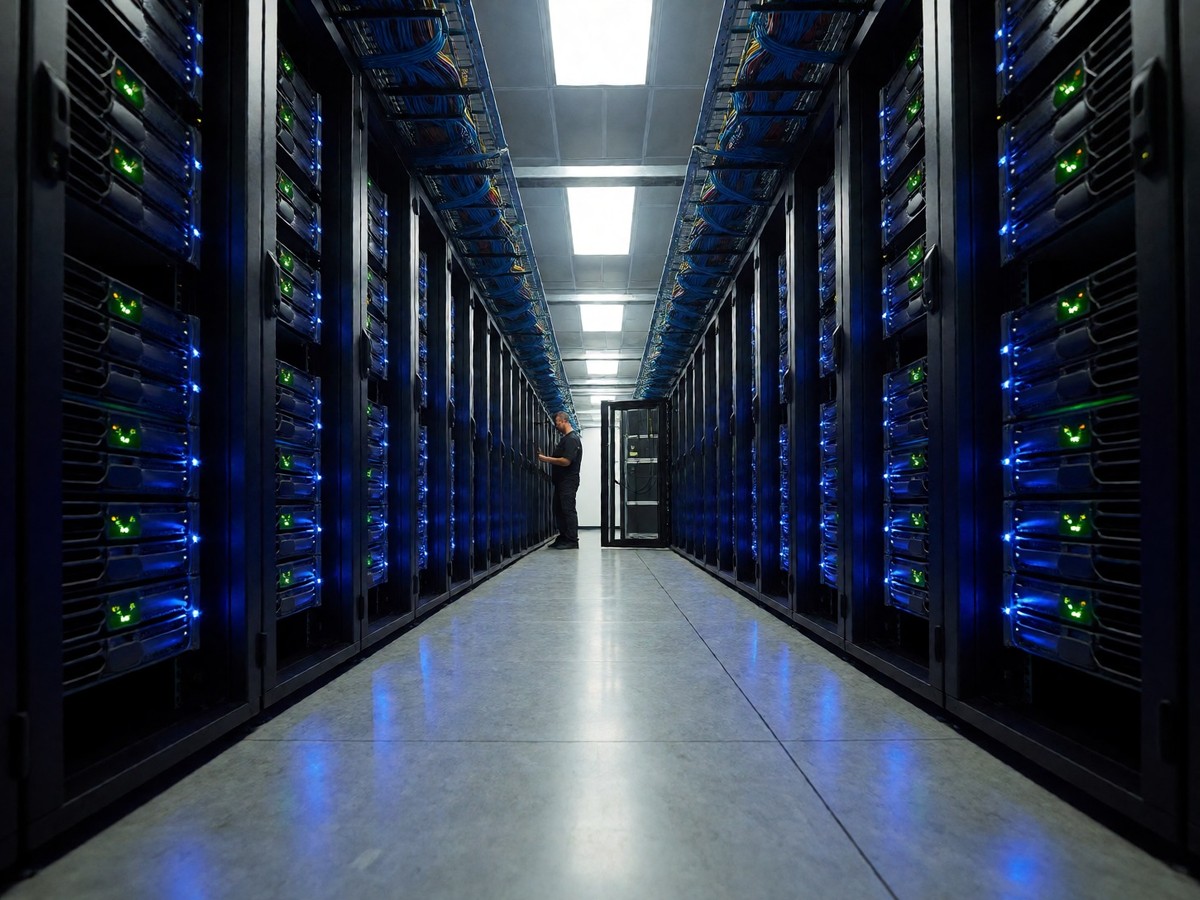
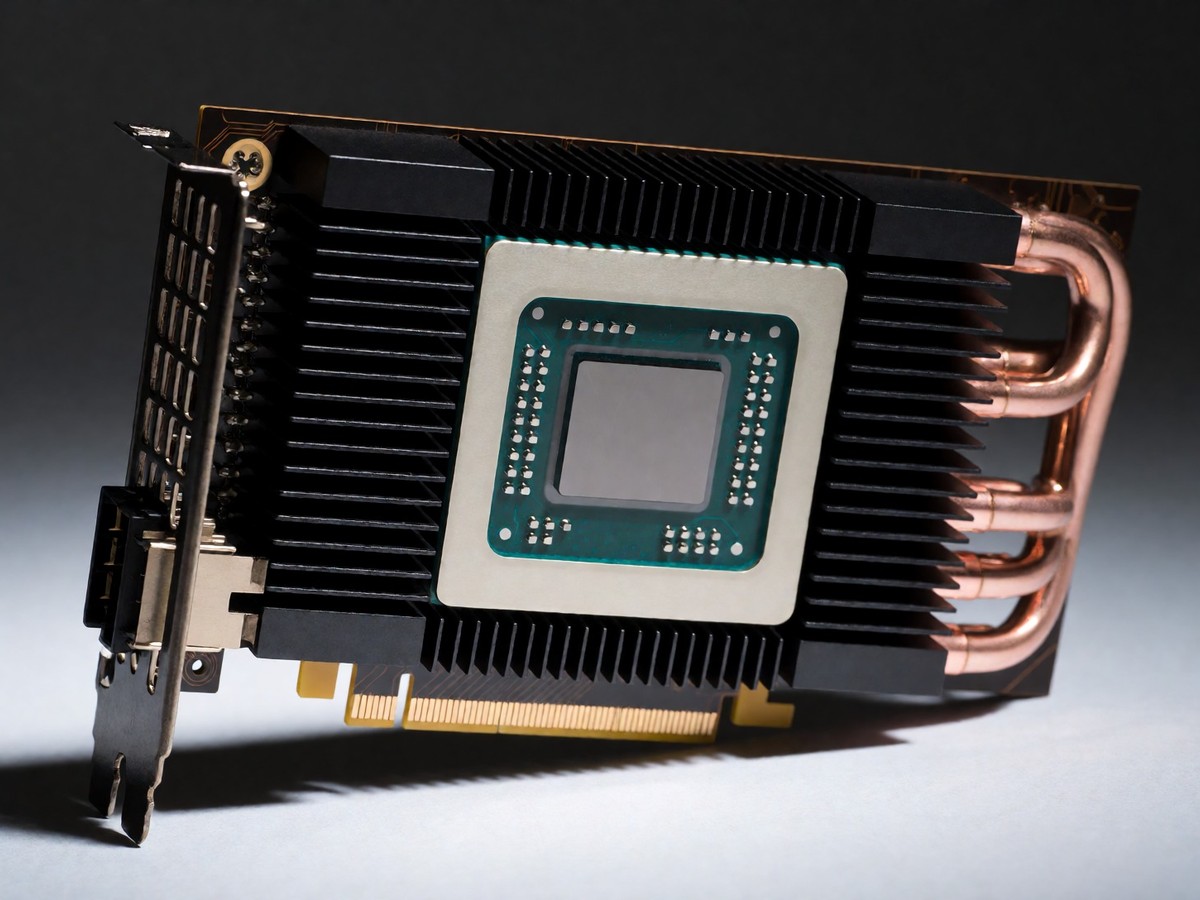
Uber expanded its AWS contract to migrate core platform components to Amazon’s in-house silicon. The company moved its latency-critical Trip Serving Zones to AWS Graviton4 instances. Uber also began a pilot to train AI models on Amazon’s Trainium3 accelerator. These models analyze data from billions of trips and deliveries to handle dispatch, ETA prediction, and recommendation. This shift follows a pattern where massive AI spenders place workloads on hyperscaler-designed silicon instead of NVIDIA hardware. Anthropic signed an expanded compute agreement with Google and Broadcom to access 3.5 gigawatts of TPU capacity. Broadcom expects to book roughly $21 billion in AI revenue from Anthropic in 2026. This deal extends the October 2025 agreement between the companies. As major AI spending customers place workloads on hyperscaler-designed silicon instead of NVIDIA hardware, the industry faces a demand for deployment tools that work across diverse, heterogeneous chip architectures. Taalas, a Toronto-based AI chip startup, develops custom processors to hardwire specific AI models into silicon. ByteDance also planned $23 billion in AI spending for 2026.
Solving the deployment bottleneck
Deployment priorities in production differ from research requirements. Researchers value the flexibility of dynamic computation graphs provided by PyTorch. Production environments demand portability, efficient execution, hardware optimization, and low inference latency. This necessitates a transition to static computation graphs that capture model architecture and weights. Runtimes then analyze these graphs to remove unnecessary operations or fuse operations like Conv, BatchNorm, and ReLU into efficient kernels. Effective memory reuse also becomes a priority to maintain speed. You already know that training a model is only half the journey. The era where everything relies on H100s looks like a 2024 phase rather than a permanent state. Nemotron 3.5 Super VL reaches 4,856 output tokens per second on a single GB200 GPU for a 20-turn workload. Asus demonstrated that its workstation can handle 64 concurrent requests at nearly 7,000 tokens per second using a GB300-based model. Nemotron 3.5 Bolt uses 2-bit quantization and 9B active parameters to run locally in 24GB of memory. Nemotron 3.5 Super VL scored 26.5 on the Artificial Analysis Intelligence Index. How can companies maintain these performance gains as the hardware landscape continues to fragment?
Scaling limits and inference costs
The massive power requirements of AI infrastructure create scaling hurdles. The International Energy Agency forecasts global data center electricity consumption at 1,100 TWh, an 18% upward revision from the December 2025 number. PJM Interconnection projects a 6 GW reliability shortfall by 2027 across the 13 states it serves. Standby capacity payments for PJM rose 9.3x year-over-year. Emerald AI builds software to reduce AI data center power consumption by up to 25% during grid stress. Redwood Materials repurposes old EV batteries to support data centers facing five-year grid delays. Anthropic reported that its annualized revenue run rate crossed $30 billion, up from $9 billion at the end of 2025. Anthropic now serves more than 1,000 enterprise customers spending over $1 million annually. Efficiency in deployment directly affects the viability of frontier models. AI21 Labs pushed a post-trained Nemotron 3.5 Super past GPT-6.1 Sol on task quality at one twenty-fifth the cost. Legal AI startup Harvey and Trajectory Labs matched Opus 4.7 on the Harvey Legal Agent Bench at $1.34 per million tokens, compared to $15.