Colossus 2 power and infrastructure
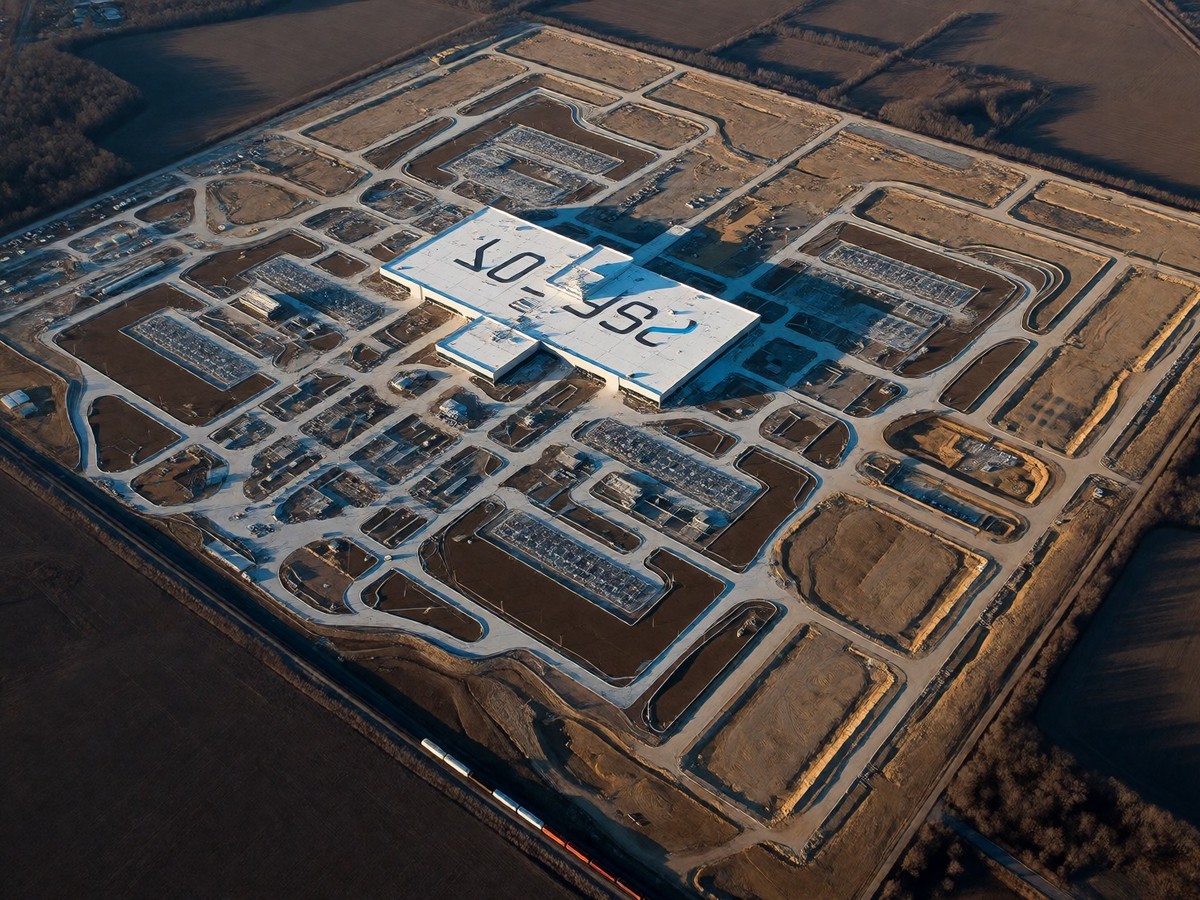
The Colossus 2 supercomputer began operation on January 17, 2026. Colossus 2 is the world’s first AI training cluster with a single computing power reaching the gigawatt (GW) level. Its continuous power load of 1GW exceeds the peak electricity consumption in San Francisco and reaches the level of a large power plant. xAI plans a 1.5GW upgrade in April 2026. To support this expansion, xAI purchased additional land near its original Memphis facility. Construction of the facility finished in only eighteen months. This blitzkrieg pace of project advancement is rare in the field of supercomputing center construction. The building roof is painted with the word "MacroHard" as a joke regarding traditional software giants. The EPA stated in January 2026 that xAI uses natural gas turbines at the Memphis base without the required air quality permits. I find the EPA’s focus on these air quality permits a massive hurdle for Musk’s rapid expansion plans. Epoch AI data shows a steep upward curve for xAI’s computing power scale. Musk claims xAI’s total computing power will exceed all other companies combined within five years. This expansion follows xAI’s $20B Series E funding.
Grok-3 reasoning versus OpenAI o3
Grok-3 (Think) achieved a 93.3% score on benchmark evaluations under the highest level of test-time compute. It reached 84.6% on GPQA and 79.4% on LiveCodeBench. Grok-3 is 10x more potent than Grok-2. OpenAI o3 models claim 87.7% on GPQA-Diamond. In a chess tournament held on Kaggle’s Game Arena, OpenAI o3 defeated xAI’s Grok 4 with a 4-0 shutout. Magnus Carlsen, who rated Grok 4 at 800 ELO, gave o3 a 1200 rating. Carlsen noted that Grok looks like it learned opening moves but nothing more, making bad blunders after those moves. Grok 4 made repeated blunders during the match. I think the 4-0 shutout proves o3 maintains superior logical consistency in rule-based environments. While Grok-3 scored 1402 on the Chatbot Arena LLM Leaderboard and surpassed ChatGPT-4’s score of 1377, it still struggles to maintain logical consistency against OpenAI’s o3 in structured competitive environments like chess. Grok-3 mini reached 95.8% on AIME 2024 and 80.4% on LiveCodeBench. OpenAI o3 shows 71.7% on SWE-bench Verified and 2727 Codeforces Elo. The o3-mini variant is a streamlined model that balances performance with faster response times and lower costs. You should watch these logic failures closely when evaluating reasoning agents.
Technical specifications and pricing
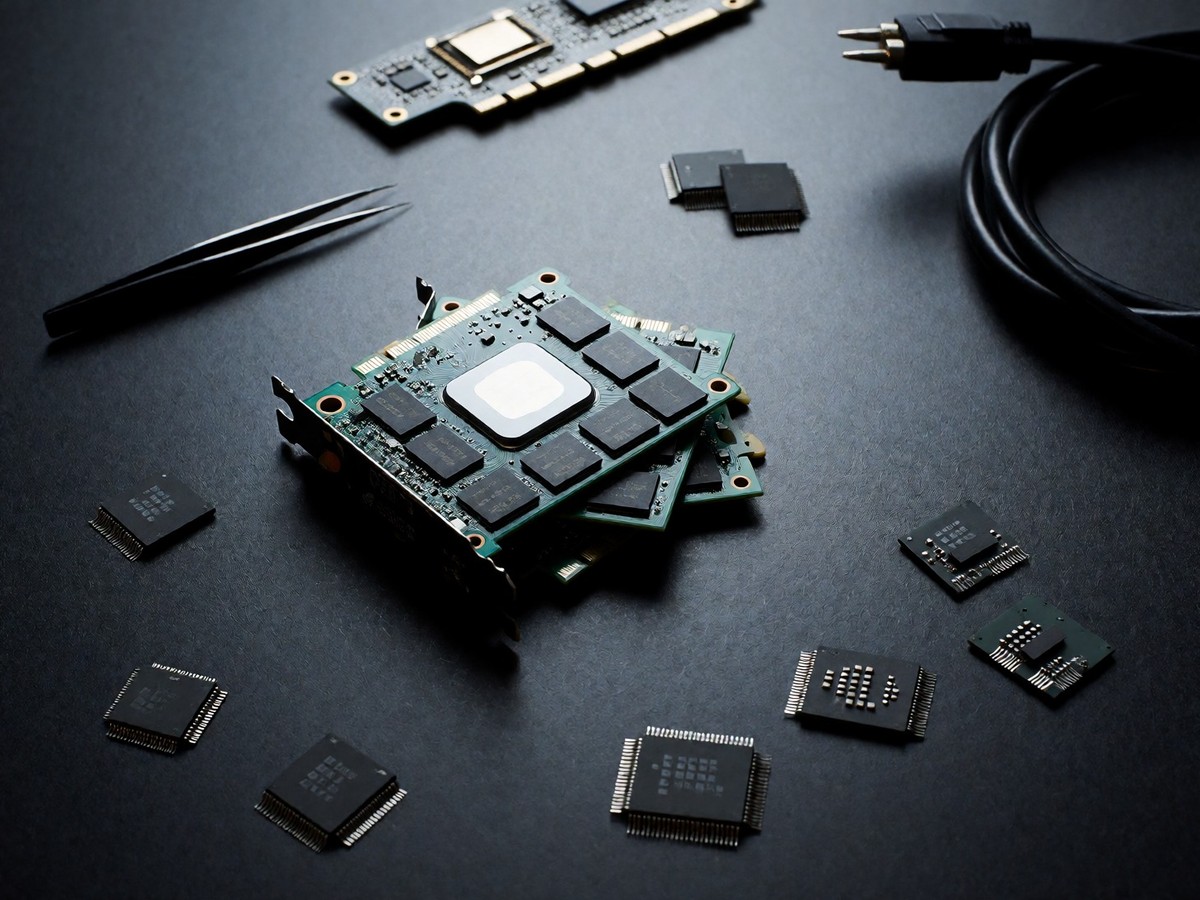
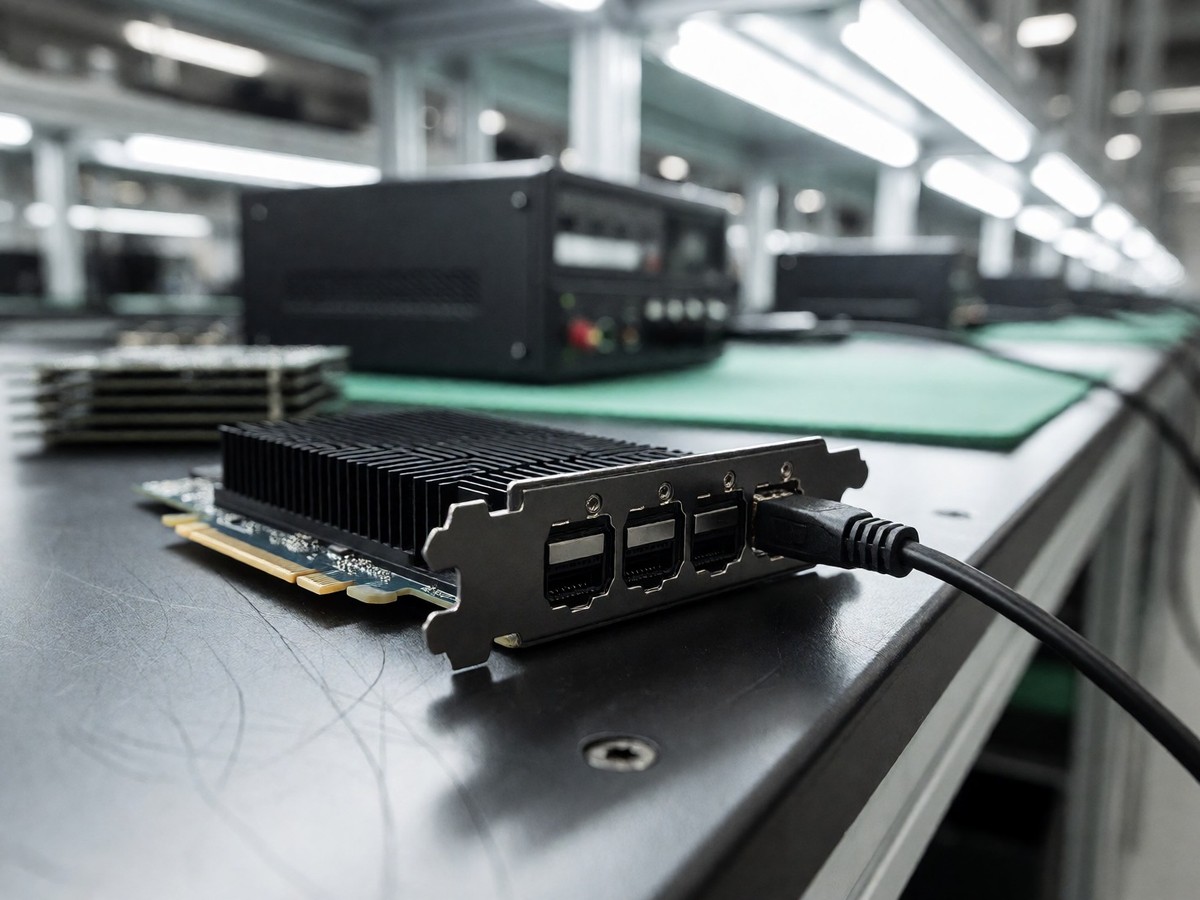
Grok-3 costs 4.4x less per token than o1 on a blended 3:1 input/output basis. Grok-3 input costs $3.00 per million tokens, while o1 input costs $15.00. The output cost for Grok-3 is $15.00 per million tokens, whereas o1 costs $60.00. Grok-3 supports a 128,000 token context window. OpenAI o1 accepts 200,000 input tokens. Grok-3 uses 2.7 trillion parameters and 12.8 trillion training tokens. The training used 200,000 Nvidia H100 GPUs. xAI claims that assembling 100,000 GPUs takes 18 to 24 months. OpenAI o3-mini costs $2 per task and takes 1.3 minutes per task. Full-scale o3 costs $20 per task and takes 13.8 minutes per task. For subscription users, X Premium+ costs $40 per month, while SuperGrok costs $30 per month and provides 128K memory. X Premium users receive a 25% discount on these costs. Grok-3 delivers an average response latency of 67 milliseconds. Grok-3 is 2 months newer than o1. Developers can build autonomous agents with Grok 4.1 using its 2M token context window via API. Does xAI possess the physical infrastructure to sustain this pace?
| Metric | Grok-3 (Think) | OpenAI o3 |
|---|---|---|
| GPQA Accuracy | 84.6% | 87.7% |
| AIME Score | 95.8% (mini) | 96.7% |
| Context Window | 128,000 tokens | 200,000 tokens |
| Input Cost / 1M tokens | $3.00 | $15.00 |