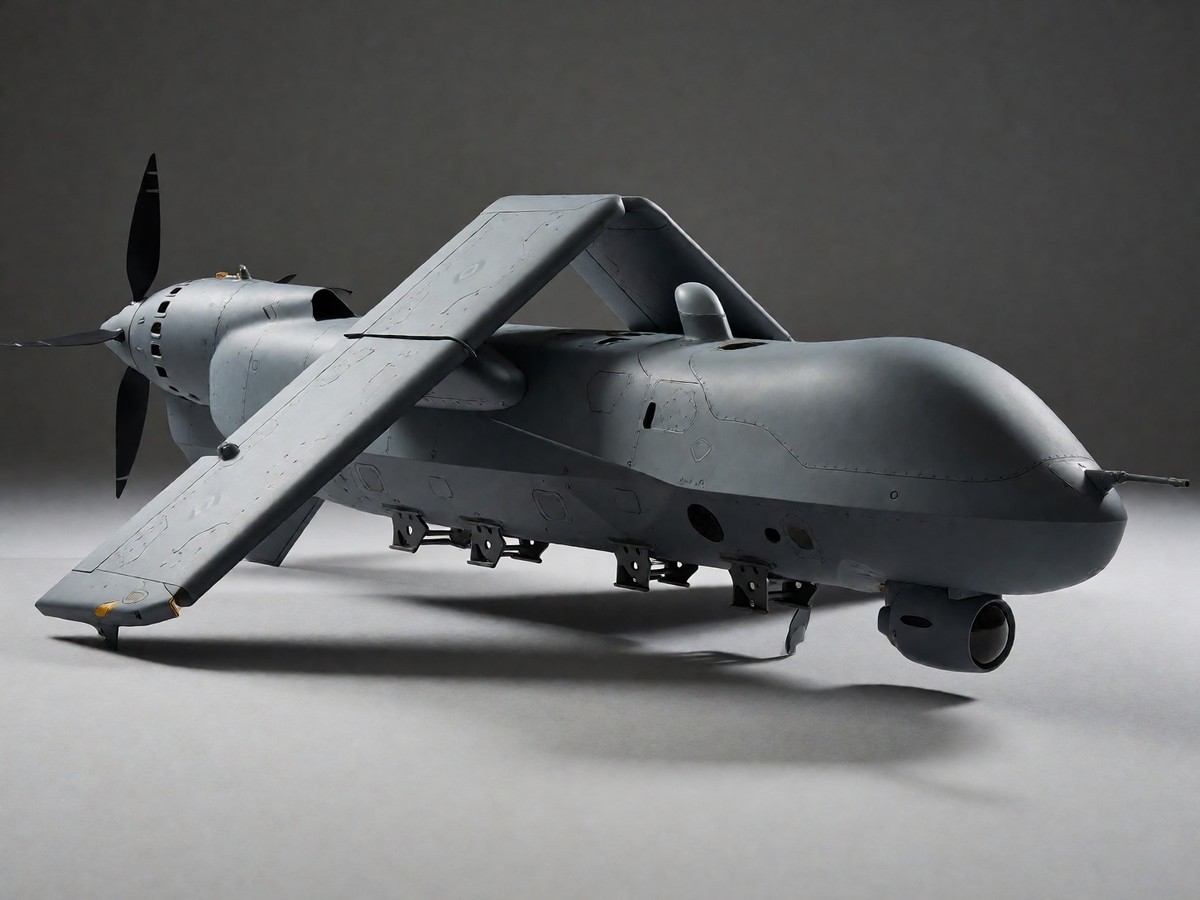
Helsing closed a $1.8 billion Series E round in July 2026, valuing the Munich-based company at $18 billion. This funding supports the deployment of its Altra operating system, which processes sensor feeds from drones, radar, and electronic warfare systems to construct real-time battlefield pictures. The company now employs roughly 1,041 staff, up from 570 in 2024, reflecting rapid scaling in Europe’s defense sector. I see this capital injection as the defining move for European sovereign AI, proving that local firms can compete with US rivals like Anduril on both scale and speed.
The HX-2 Combat Reality Check
The HX-2 loitering munition is Helsing’s first proprietary hardware deployed in a combat zone. It weighs 12 kilograms, reaches speeds of 220 km/h, and engages targets up to 100 kilometers away without GPS or pilot input. Soldiers in four countries tested the drone, conducting strikes after only hours of training. However, the operational record contains serious flaws. Ukrainian combat tests revealed that only a quarter of the units launched successfully during advanced trials. Mechanical issues with the catapult system caused these failures, while electronic warfare jamming repeatedly interrupted communication links near the front line. Ukraine suspended additional orders based on these results, and Germany halted further purchases until interest resumes. Helsing rejected the high failure rate claims, citing an "encouraging" hit rate for initial flights. Yet the suspension stands as a clear signal that software-defined autonomy does not guarantee mechanical reliability under stress. The company plans to produce tens of thousands of units annually, but trust must be rebuilt before mass adoption.
| Metric | Value |
|---|---|
| Range | 100 km |
| Weight | 12 kg |
| Speed | 220 km/h |
| Launch Success Rate (Ukraine) | 25% |
Project Centaur extends this autonomy to manned aircraft. Helsing uses reinforcement learning and foundation models to develop autonomous air combat capabilities for platforms like the FCAS and Saab Gripen. The AI pilots are designed to operate alongside human crews, enhancing situational awareness and reaction times. This initiative addresses the need for uncrewed systems that can integrate into existing European air forces without replacing legacy hardware entirely.
NATO Industrial and Command Shifts
NATO leaders are restructuring industrial cooperation to offset reduced US support. Secretary General Mark Rutte announced the "NATO Front Door for Industry," a single entry point for procurement opportunities and innovation programs. The alliance also launched the "NATO Engine" to connect manufacturing capacity across member states. These moves respond to the reality that no single nation has the industrial capacity to meet growing demand for air defense and long-range strike systems. The US recently cut its commitment, reducing available assets including carrier strike groups and submarines. NATO Supreme Allied Commander Alexus Grynkewich stated that Europe must focus on acquiring and fielding capabilities quickly, specifically in long-range fires and drones. He urged allies to fill gaps with manned and unmanned aircraft and naval vessels immediately.
Command authority is also expanding. NATO intends to grant the Supreme Allied Commander Europe greater freedom to intercept and destroy drones violating airspace. This decision follows incidents in Poland, Romania, Estonia, and Latvia where unidentified drones triggered alarms and caused damage. The new powers allow for rapid response without waiting for full consensus, addressing the speed gap between modern drone threats and traditional bureaucratic protocols. I question whether these administrative changes will outpace the technical development of counter-drone systems. The alliance needs more than faster decisions; it needs effective sensors and kill chains. Until then, the expanded authority remains a procedural fix for a technological hole.