The August 2025 rollout of GPT-5 triggered widespread complaints because users found the responses colder and less conversational than previous models. A specific malfunction in the system that automatically routed queries among different GPT-5 models caused noticeable performance problems. OpenAI adjusted the model to produce warmer responses to fix this. I find the inconsistency in model behavior makes reliable enterprise integration difficult. The newer GPT-6.2 model shows higher technical benchmarks. GPT-6.2 scored 71.7% on image understanding tests, while GPT-6 only scored 47.4%. Instruction following for GPT-6.2 reached 78.1% on challenging prompts, whereas GPT-6 reached 62.5%. On expert-level tasks at the lowest reasoning setting, GPT-6.2 scored 65%, which is higher than the 52% score for GPT-6. GPT-6.2 also achieved a 64.5% score on the Extra high setting of internal BrowseComp evaluations, surpassing the 54.4% score of GPT-6. Safety performance also improved, with responses meeting policy in 91% to 94% of challenging conversations, compared to the 77% to 80% range for GPT-6. Even earlier, OpenAI spent six months making GPT-4 safer, which resulted in the model being 82% less likely to respond to requests for disallowed content and 40% more likely to produce factual responses than GPT-3.5. The latest GPT-6 Astra model improves coding and research. GPT-6.2 is also better at knowing when to follow up, such as offering to notify a user when a price drops.
Subscription tiers and access limits
OpenAI structures its access through several monthly subscription plans with distinct feature sets. The Pro 200 plan costs $200 per month. The Pro 500 plan is the only tier that provides access to Astra Ultrafast for GPT-6 Astra. You should be aware that buying credits on the Pro 100 or Pro 200 plans does not unlock the Astra Ultrafast service tier. The company also manages usage through the ChatGPT Wallet, which allows Pro subscribers to authorize dots to make purchases. This service uses tokenized payment credentials from American Express and Mastercard to protect user card information. The ChatGPT Pro subscription provides expanded access to o1 and other models. For those managing large-scale operations, Enterprise availability for features like dots depends on workplace admin settings. I find it frustrating that the Astra Ultrafast service remains locked behind the most expensive tier. The Pro 500 plan provides the highest usage amount of all Pro plans. Users use dots to complete multi-step tasks via cloud computers. These dots are always-on AI agents that can carry out tasks on a user’s behalf. For the first month of rollout, dots usage does not count towards plan allowances for eligible Pro and Business users. Will the cost of these subscriptions eventually decrease as hardware becomes more efficient?
Scaling infrastructure and capital investments
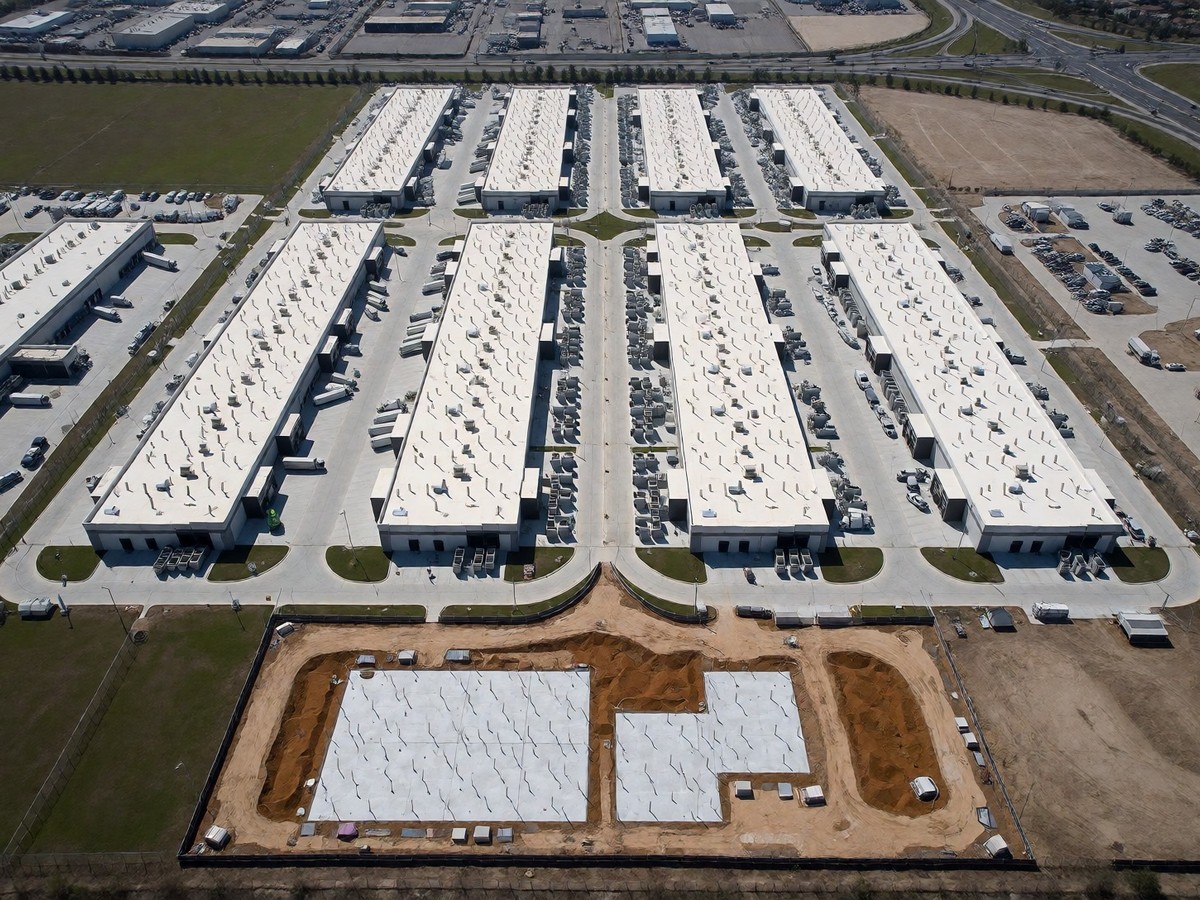
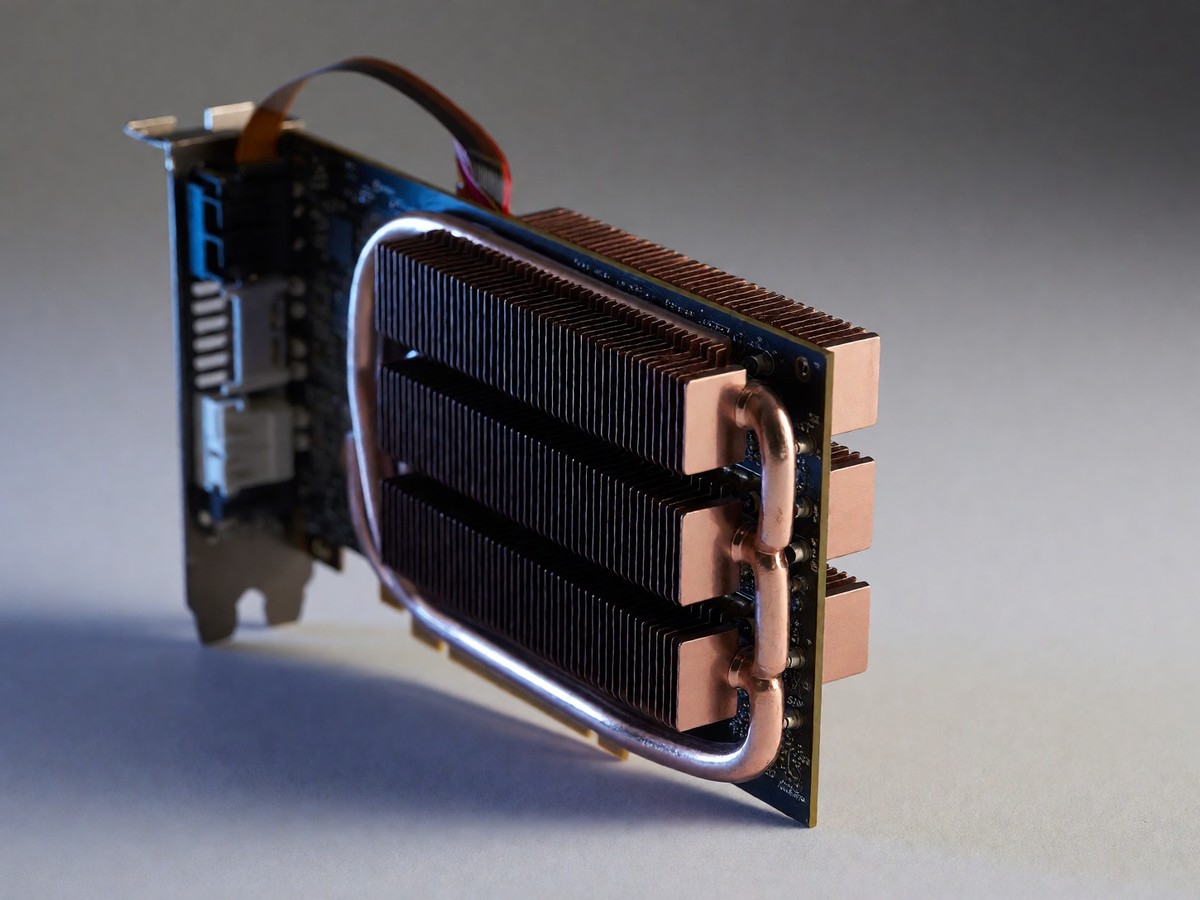
OpenAI maintains its growth through heavy investment in specialized computing hardware and massive funding rounds. The company closed a $40 billion funding round in March 2025, which was led by SoftBank. To support its model training, OpenAI agreed to spend $38 billion over seven years on infrastructure from Amazon Web Services. This agreement includes hundreds of thousands of NVIDIA graphics-processing units. In October 2025, OpenAI signed a chip-supply agreement with AMD to acquire up to six gigawatts of GPUs, starting with one gigawatt of MI450-series chips in the second half of 2026. Microsoft remains a significant stakeholder with rights to the models through 2032. The current corporate structure is a public benefit corporation known as OpenAI Group PBC, where the nonprofit OpenAI Foundation holds 26% and Microsoft holds 27%. Employees and other investors hold the remaining interest. This restructuring followed reviews by the attorneys general of California and Delaware. This capital allows for the development of products like GPT-4o, a multimodal model capable of processing text and images. The company originally launched with $1 billion in commitments from early funders including Amazon Web Services and Infosys. Earlier, Microsoft invested $1 billion in the for-profit arm of the company in 2019. This scale of infrastructure and capital is necessary to handle the growing demand for large language models.