Terminal pickups and vehicle availability
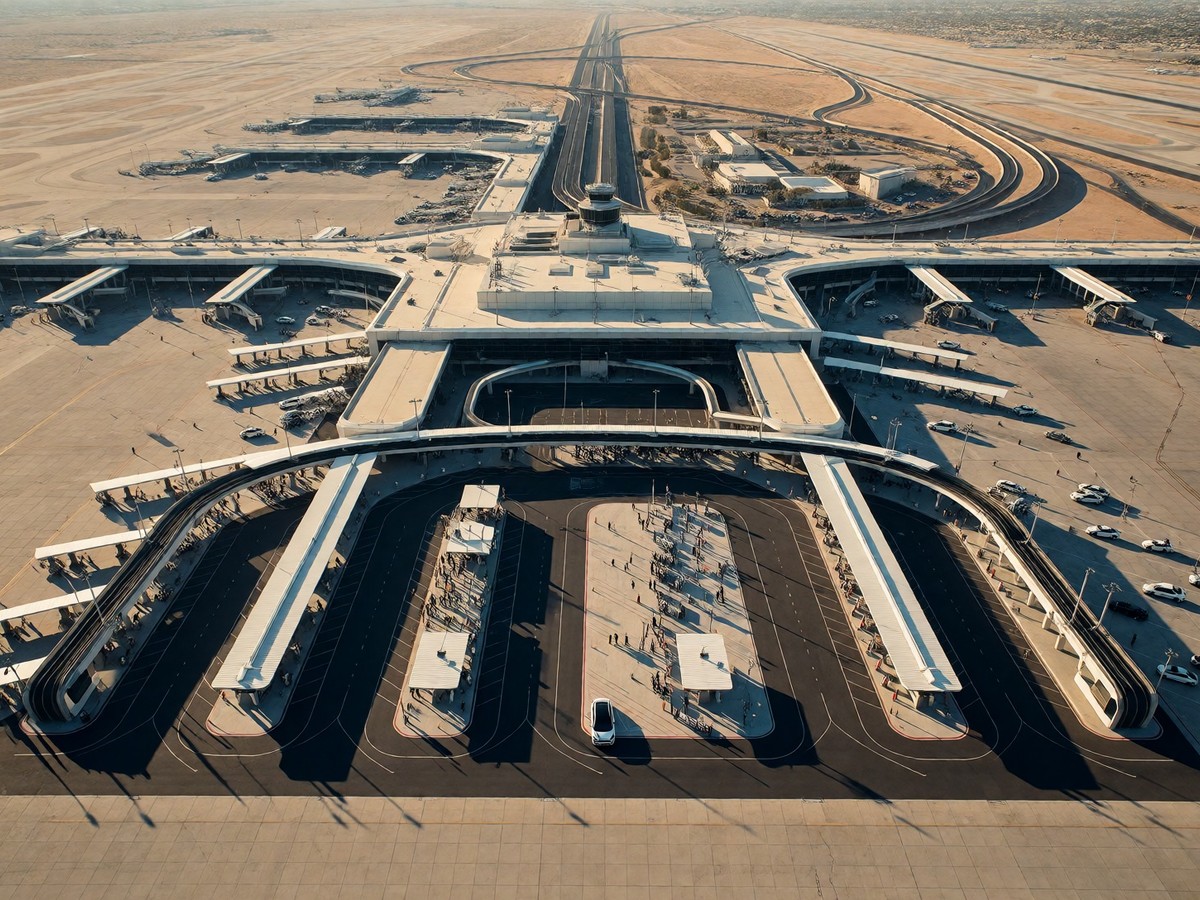
Waymo picks up passengers at Phoenix Sky Harbor Terminals 3 and 4 on Level 1 at the outer curb by South Door 8. Travelers also find Waymo vehicles at the 24th St or 44th St Sky Train stations. This direct service replaces the previous Uber partnership that ended on June 29, 2026. The fleet uses Jaguar I-PACE models to transport riders. Waymo currently provides an average of 10,000 weekly rides with no humans inside the vehicles other than passengers. You can book these trips through the Waymo app. These vehicles navigate a service area that covers 180 square miles. This territory is a significant expansion from the 100 square mile area Waymo serviced previously. The service area includes much of the Phoenix metro region. The airport also has connections to the PHX Sky Train, an electric people mover that connects terminals with parking, a Valley Metro Rail station, and rental car facilities. Waymo’s head of airport business development, Arica Gately, says the rides are a stress-free way to get to and from the airport.
Freeway routes and regional infrastructure
Waymo expanded its routes to include freeways in the Phoenix area, which makes a trip from Sky Harbor to northern Scottsdale 50% faster than a trip using city streets via the AZ-101. This expansion allows the company to scale operations beyond simple surface street navigation. The company operates in a territory that covers four times more space than the area Waymo maintained in late 2020. To support this growing fleet, Waymo operates an 85,000-square-foot technical service center in Mesa. This facility creates 100 local jobs and works alongside a smaller center in Chandler that opened in 2016. Waymo’s infrastructure also has a new mobility platform developed in collaboration with Geely Group and its subsidiary Zeekr. This platform uses the SEA-M architecture to support autonomous ride-hailing. Waymo also plans to deploy "Dot" robots for deliveries in Phoenix soon. These bright red robots resemble large baby strollers and can carry up to six large pizza boxes or 30 pounds of cargo. These robots reach 20 miles per hour. Waymo’s expansion follows years of testing autonomous class 8 trucks and passenger cars on freeways with a specialist. The company uses Waymonauts to provide feedback on the passenger experience during these freeway trips.
| Feature | Specification |
|---|---|
| Vehicle Model | Jaguar I-PACE |
| PHX Pickup Location | Terminals 3 and 4, Level 1, South Door 8 |
| Sky Train Access | 24th St and 44th St stations |
| Service Area | 180 square miles |
| 14-mile Trip Cost | $33.20 |
Pricing and market competition
Waymo charges $33.20 for a 14-mile trip from Downtown to Sky Harbor. UberX charges $22.40 for the same distance. Waymo’s higher price is a disadvantage for budget-conscious travelers. This price difference follows historical tension between the city and ride-hailing giants like Uber and Lyft. In 2020, those companies threatened to stop operations at the airport because of fee increases that would cover ground transportation infrastructure and Sky Train maintenance. While Waymo grows, Tesla names Phoenix an upcoming city for its services and Zoox tests vehicles in the area. This competition exists as Waymo maintains its position as a leader in the robotaxi industry. Waymo, alongside GM Cruise and Ford, is a main player in the race to launch large-scale commercial services. Navigant Research evaluated these players based on 10 criteria, including technical capability and business-plan viability. Waymo previously held the lowest disengagement rate among 48 autonomous vehicle companies in 2018, while GM Cruise showed the second-best performance. The company also reached 10 million miles of testing on public roads by October 2018. Waymo, which spun out of Google’s self-driving program in 2016, is the first company to charge regular folks for rides in self-driving "Waymo One" cars. In San Antonio, vehicles meet riders at the Departures curb of Terminals A and B or the Arrivals outer curb near Rideshare Zone 2. This competition also involves Amazon, which prepares to challenge Waymo by making 10,000 robotaxis annually at a plant near Silicon Valley. Tesla also aims to launch a rival "Cybercab" service by 2026. Will Waymo lower its prices to match traditional ridesharing companies?