Colossus Infrastructure and Capital
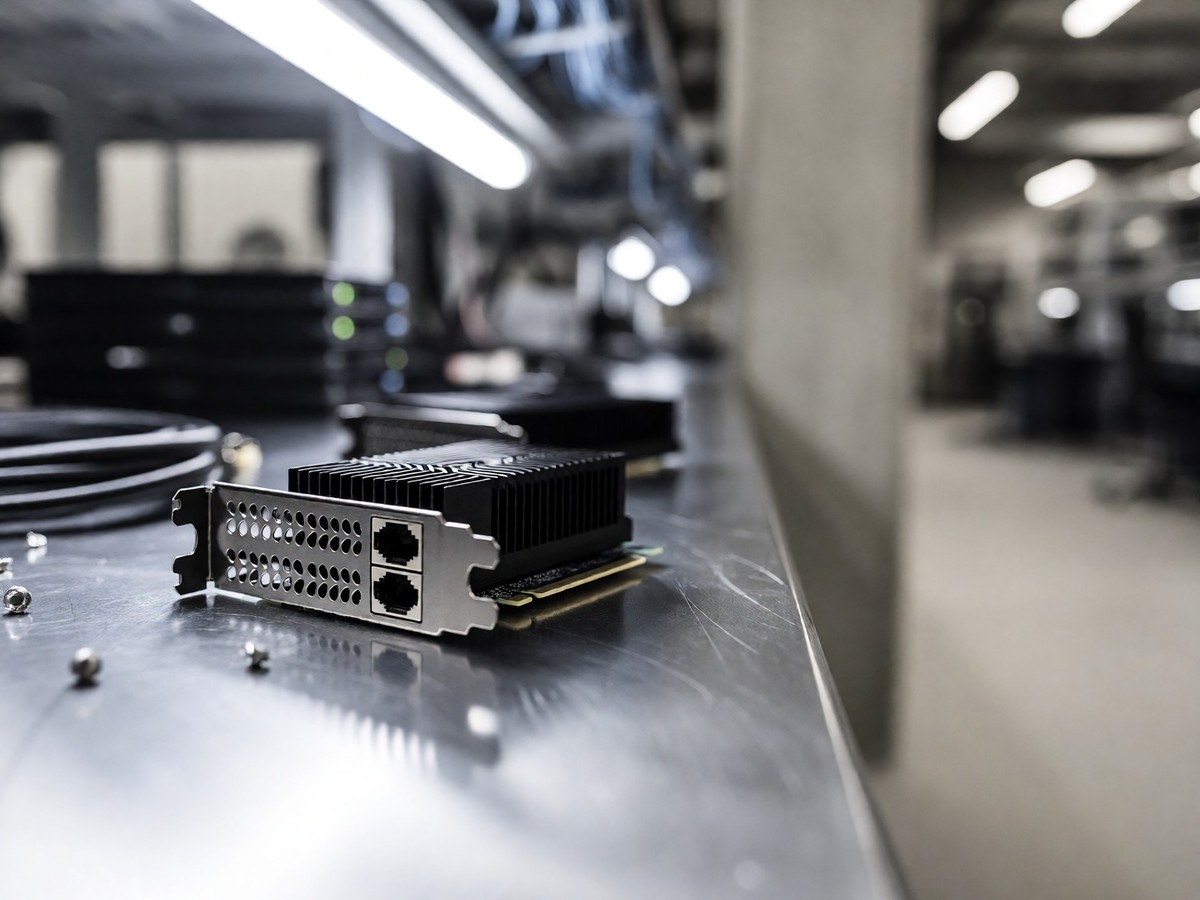
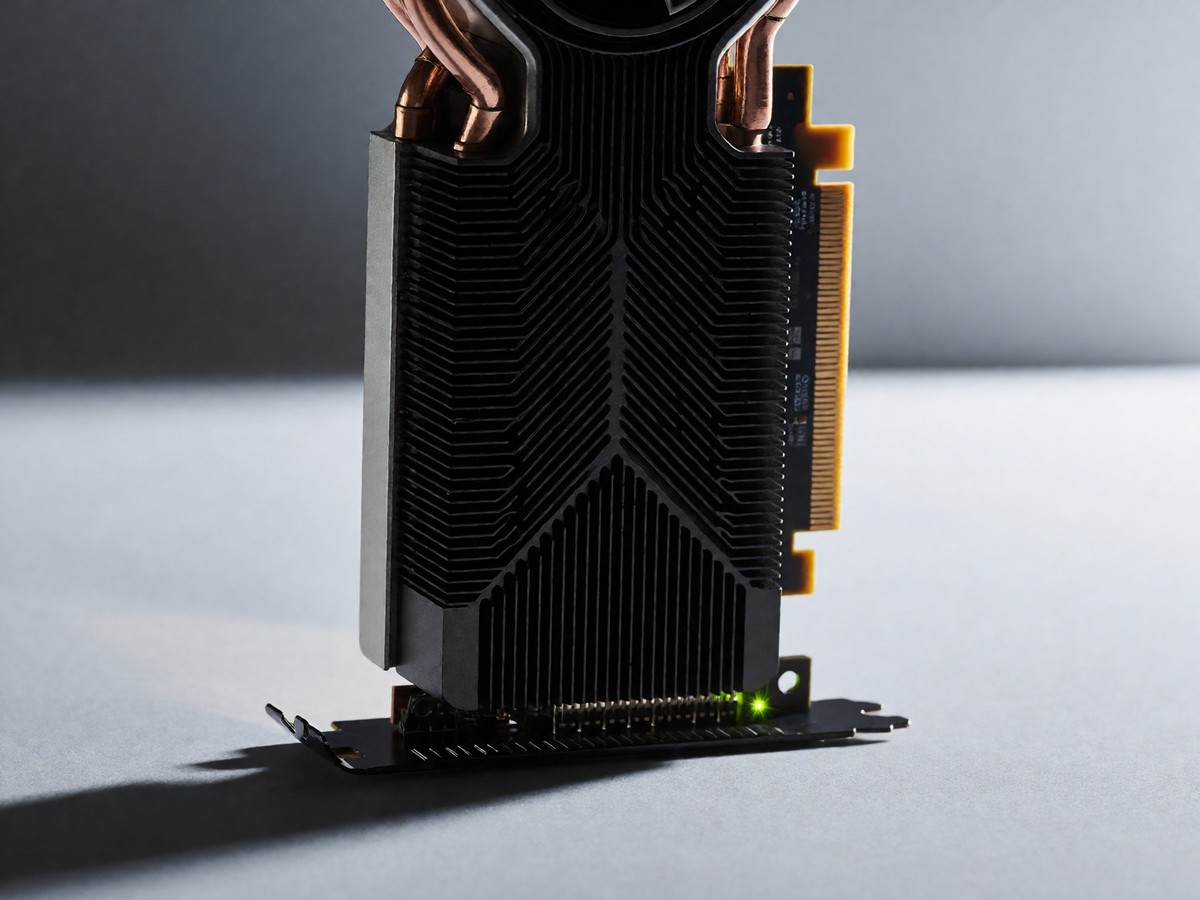
xAI deployed 100,000 Nvidia H100 GPUs in Memphis, Tennessee, as part of the Colossus supercomputer project. Each H100 GPU costs roughly $30,000, which puts the initial hardware investment at approximately $3 billion. The company expanded this setup to 200,000 GPUs by February 2025. The facility organizes its computation into halls that hold 25,000 GPUs each. Within these halls, clusters consist of eight liquid-cooled racks from Supermicro. Each rack contains eight Nvidia HGX H100 platforms that form a mini cluster of 512 Nvidia GPUs. The system provides 3.6 TBPS bandwidth per server via high-speed Ethernet connectivity. In the data halls, a raised floor accommodates power and pipes for liquid cooling. These pipes link to facility chillers to manage heat exchange. The team finished the entire infrastructure in 122 days. This speed exceeds the timeline for typical supercomputers, which usually take years to complete.
| Colossus Specification | Detail |
|---|---|
| Primary GPU Model | Nvidia H100 |
| Planned GPU Expansion | 1,000,000 units |
| Total Power Capacity | 300 MW |
| Battery Support | 150 MW Tesla Megapacks |
| Construction Timeline | 122 days |
xAI aims for $500 million in standalone revenue next year and over $2 billion by 2026. The company uses a $25 billion war chest to fund its massive hardware requirements. The scale of Colossus makes it the largest AI training system in the world. This hardware focus allows xAI to outpace competitors like OpenAI and Google.
Power Grid and Environmental Impact
The Tennessee Valley Authority approved a 150-megawatt arrangement to power the Memphis supercomputer. This approval followed a request from Memphis Light, Gas & Water to meet the facility’s energy needs. The TVA board made the decision during a meeting at Murray State University. TVA CEO Jeff Lyash stated the utility must meet the needs of its power companies. To maintain grid reliability, the TVA requires xAI to install mega pack batteries. These batteries allow the facility to curtail its load on a 30-minute request from the utility. 150 megawatts provides enough electricity to power more than 100,000 homes.
Local residents and environmental advocacy groups express concern over the electricity and water consumption of the facility. The project uses a significant amount of energy, which could impact the reliability of the local grid. High water usage for cooling creates risks for the Memphis Sand Aquifer. The current use of 18 natural gas turbine engines to supplement power creates pollution in the predominantly black neighborhoods near the facility. You know how these massive projects impact local ecosystems.
Local stakeholders criticize the rapid speed of development. Residents fear the high power demand will strain the local grid. Environmentalists warn about the impact on the aquifer. The use of diesel generators for construction caused early backlash. xAI uses 60 percent renewable energy via the TVA. The TVA recorded a peak demand of 34,577 megawatts in January, and the utility aims to expand its clean energy programs.
Economic Strategy and Expansion
xAI is not seeking tax incentives from the Economic Development Growth Engine for Memphis and Shelby County. The company decided against a tax freeze because it already established its presence in the region. The decision to bypass local tax freezes means xAI will contribute to the local economy without the standard abatements that companies usually request when they decide to settle in the Shelby County area.
The company plans to scale the system to 1,000,000 GPUs using Blackwell H200 chips. This expansion requires massive amounts of power and advanced cooling technologies. xAI plans to build a greywater facility to use recycled wastewater for cooling instead of using the Memphis Sand Aquifer. This strategy addresses the environmental concerns regarding water consumption. The hardware surge connects to xAI’s plan to use Tesla’s sensor networks for training. This allows for more dynamic models compared to those using static datasets. Will the company successfully manage the immense power requirements of a million-GPU system?