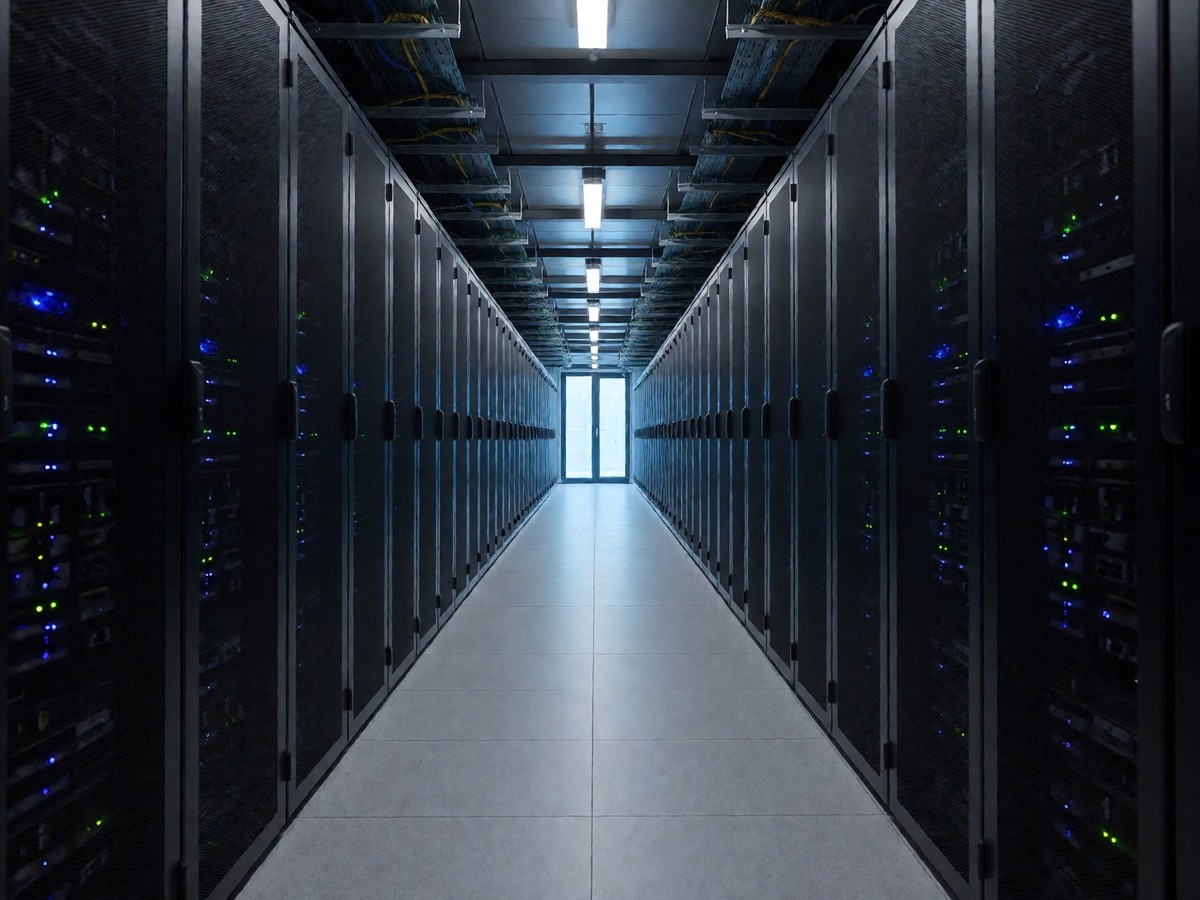
xAI has purchased a third facility in Southaven, Mississippi, to push its total computing capacity to nearly 2 gigawatts. This move anchors the expansion of the Colossus complex, which already includes the original Memphis site and the new Colossus 2 facility. The Greater Memphis Chamber confirmed that the project aims to house at least 1 million GPUs, a tenfold increase over previous targets. Brent Mayo, an xAI engineer, stated that the company is "accelerating progress at an unprecedented pace" while utilizing megapack technology to stabilize the grid. Nvidia, Dell, and Supermicro plan to establish operations in Memphis to support this massive buildout.
Power Infrastructure and Hardware Scale
The energy requirements for this expansion are staggering, with the combined sites targeting almost 2 GW of power draw. As of early March, xAI operates 62 natural gas turbines across its facilities, including 27 units in Southaven that generate up to 495 MW. However, many of these turbines are currently unpermitted, a fact that complicates the company’s pledge to reduce energy costs for local residents. The EPA tightened regulations in January by closing a loophole that allowed large portable turbines to operate without pre-construction permits, forcing xAI to navigate stricter Clean Air Act compliance. To secure stable power, the company paired its turbines with 168 Tesla Megapacks, which smooth out voltage spikes caused by GPU demand surges.
| Metric | Value | Context |
|---|---|---|
| Projected Total Capacity | ~2 GW | Across three facilities |
| Planned GPU Count | ~555,000 | NVIDIA chips across sites |
| Unpermitted Turbines | 62 | Memphis and Southaven sites |
| Water Consumption Target | 13M gal/day | Scaling from current 1.5M |
Colossus 2 specifically houses about 110,000 GB200 and 440,000 GB300 GPUs, according to recent reports. The facility draws approximately 946 MW for IT loads, with a company rating of 1 GW. This density requires liquid-cooled racks to manage heat rejection, as air cooling is insufficient for Blackwell-class chips. The construction speed remains a defining feature, with the initial Colossus built in just 122 days. Musk noted that it took only 19 days to move from hardware installation to beginning training, a pace he described as "the fastest by far anyone’s been able to do that." Jensen Huang praised this effort as a "superhuman" task, noting that similar projects typically take three years to plan and another year to deploy.
Financial Commitments and Market Impact
The expansion is backed by significant capital, with xAI seeking $12 billion in debt financing for Colossus 2 alone. The company recently raised $10 billion in equity, bringing its total fundraising this year to $11 billion at a valuation of $50 billion. Investors in the latest round include Sequoia Capital and Andreessen Horowitz. Revenue streams are also diversifying, with Anthropic leasing all of Colossus 1 and part of Colossus 2 for $1.25 billion per month through May 2029. Google has secured a separate contract for about 110,000 GPUs at $920 million per month starting in October. These deals underscore the high cost of AI infrastructure, with monthly spending reported near $1 billion.
Despite the financial momentum, environmental concerns persist regarding the 13 million gallons of daily water consumption planned for a single facility. The gap between the company’s public pledge to protect ratepayers and its operational reality of running unpermitted turbines remains wide. Will the regulatory permitting process ultimately delay the full activation of the 1 million GPU target? The answer will depend on how quickly xAI can formalize its power infrastructure under the new EPA rules.