The Nasdaq debut and revenue reality
CoreWeave shares opened at $39 per share on the Nasdaq and failed to reach the $40 initial public offering price. This sale raised $1.5 billion, which doubles the $750 million Reddit raised in March 2024. The debut follows a period of volatility where the Nasdaq fell more than 7% so far this year. Nvidia, which provides heavy backing to the company, placed a $250 million order for shares at the $40 price. This IPO reached a valuation of over $25 billion, a massive figure for a company that remains unprofitable. CoreWeave reported $1.92 billion in revenue for 2024, and Microsoft accounts for over 60% of that total. The company also reported a net loss of $863.4 million for the same year. You should watch the debt levels closely. The firm carries $8 billion in net debt and faces rising interest expenses. In 2024, CoreWeave recorded a gross margin of 76%, which beat Microsoft at 70% and Alphabet at 58%. However, it is a reseller of GPUs, and the heavy infrastructure investments and financing costs currently outweigh the gains from high margins. CoreWeave also holds $8.7 billion in property and equipment costs. Magnetar, a hedge fund, owns about 29% of the Class A shares after this offering. Magnetar previously invested in the company at a $19 billion valuation. The deal could lift CEO Michael Intrator’s net worth to $3.5 billion. CoreWeave also announced in early March that it was acquiring Weights & Biases for about $1 billion in stock. This acquisition aims to show investors it operates as a software company. OpenAI, which signed a five-year deal to use the infrastructure in March, receives a $350 million stake in CoreWeave tied to the IPO. Nvidia stock has a consensus Strong Buy rating among 42 Wall Street analysts. The average NVDA price target of $176.54 implies 60% upside from current levels.
The competition for training workloads
The competition for AI workloads creates a sharp split in how companies price their GPU access. Lambda provides a cheaper place to reserve GPU clusters and run experiments for researchers, while CoreWeave charges more for a stack with built in Kubernetes, autoscaling, and enterprise style operations. This strategy targets researchers who need flexibility over high end production features. CoreWeave maintains higher prices by focusing on a production ready environment that handles autoscaling and public facing infrastructure. Customer interviews suggest H100 performance between Lambda and CoreWeave remains comparable. The decision between providers comes down to total quote, cluster setup, interconnect quality, and whether the workload is training or production inference. I find the pricing strategy of Lambda to be a direct threat to CoreWeave’s margins if the market shifts. Lambda builds around flexible cloud GPU rentals for smaller companies and developers. CoreWeave scales around large, long term enterprise contracts. As the demand for GPUs normalizes, the current pricing power of providers will fade. Can the company transition from a GPU reseller to a software-centric provider effectively? CoreWeave’s gross margin of 76% easily beats hardware vendors like Dell at 22%, HPE at 34%, and Super Micro at 14%. The company faces intense competition from rivals like Nebius and tech behemoths like Microsoft and Amazon. Analysts note that CoreWeave’s model works well in a GPU constrained environment where demand outpaces supply.
The capacity battle
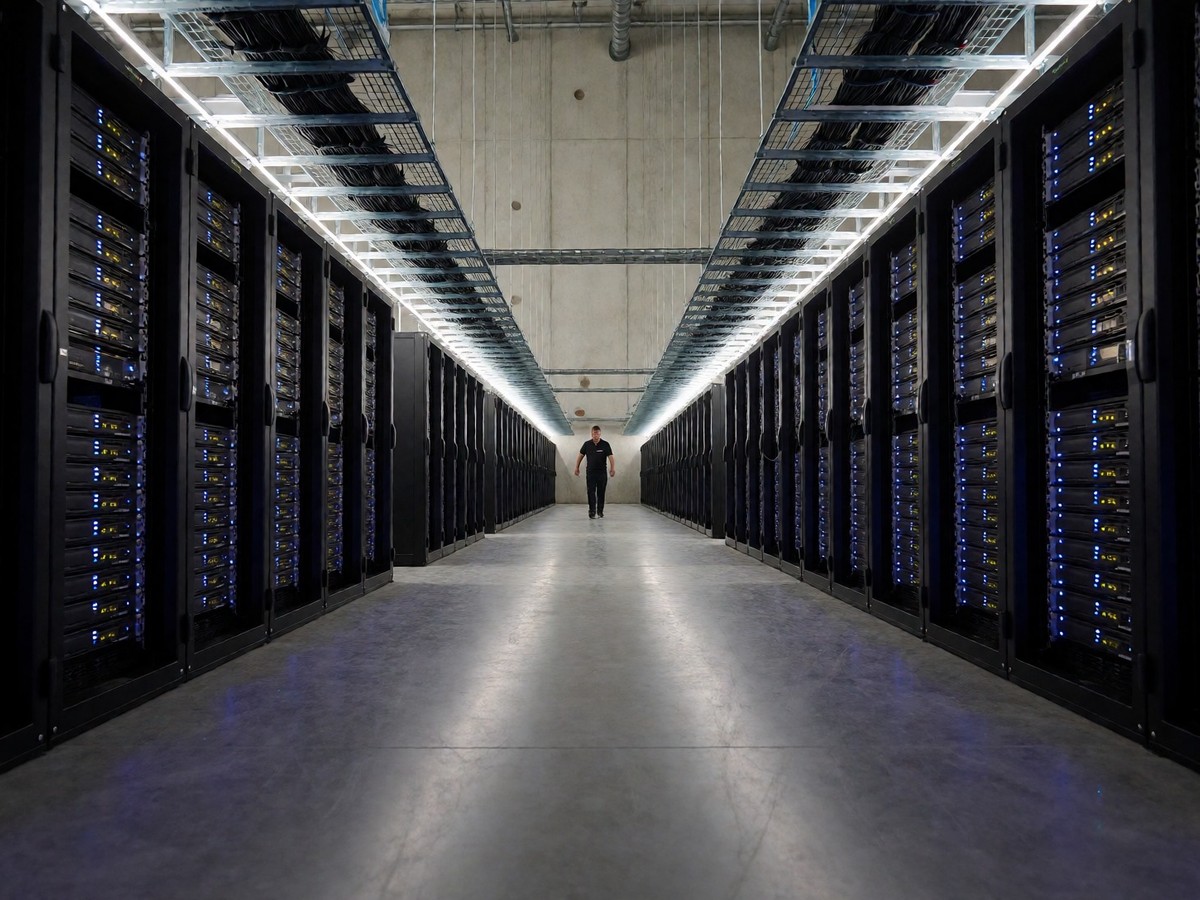
The race for data center capacity involves massive spending from every major player. Management expects 2026 capital expenditures to exceed double the 2025 amount. This follows a plan to spend $12 billion to $14 billion in 2025. CoreWeave exited the third quarter with $55.6 billion in revenue backlog and 2.9 gigawatts of contracted power capacity. One gigawatt of this capacity should come online within the next 12 to 24 months. Amazon expects 2025 cash capex to reach $125 billion. Nebius set a $5 billion capital expenditure plan for 2025.
| Entity | Projected 2025 Capex | Contracted Power Capacity |
|---|---|---|
| CoreWeave | $12B – $14B | 2.9 GW |
| Amazon | $125B | 3.8 GW (last 12m) |
| Nebius | $5B | Not stated |
Interest expenses for CoreWeave surged to $311 million compared with $104 million a year ago. For 2025, the company expects interest expenses to reach between $1.21 billion and $1.25 billion due to high leverage. Nebius allocates only 1% of its spending to land and power, while 80% goes toward the deployment of GPUs. Building out data centers makes up roughly 18 to 20% of the spending, while the final stage, which involves the deployment of GPUs, makes up around 80% of the spending. Nebius expects to exit 2025 with positive adjusted EBITDA at the group level, though the metric will remain negative for the full year. Amazon added over 3.8 gigawatts of power over the last 12 months, more than any other cloud provider. Amazon’s spending ties mainly to AWS growth and custom silicon like Trainium.