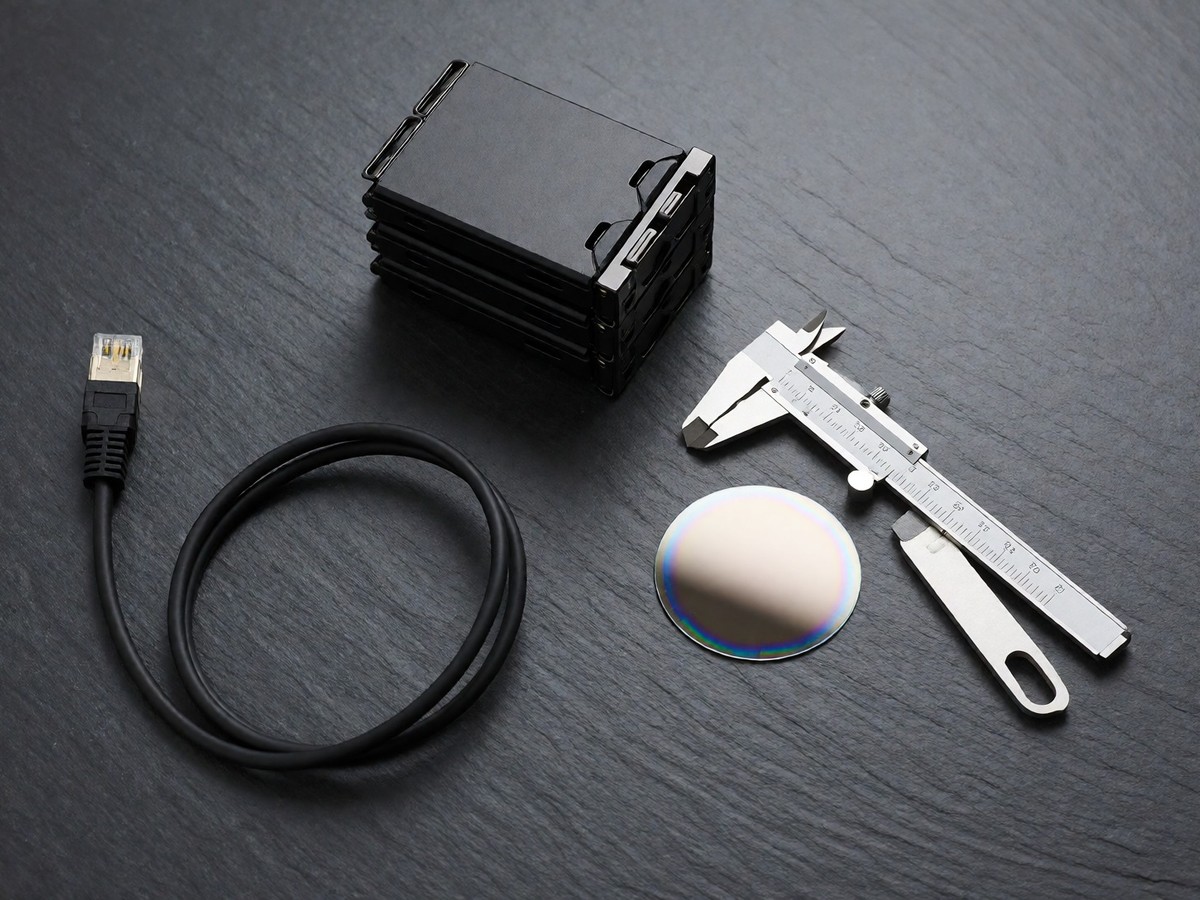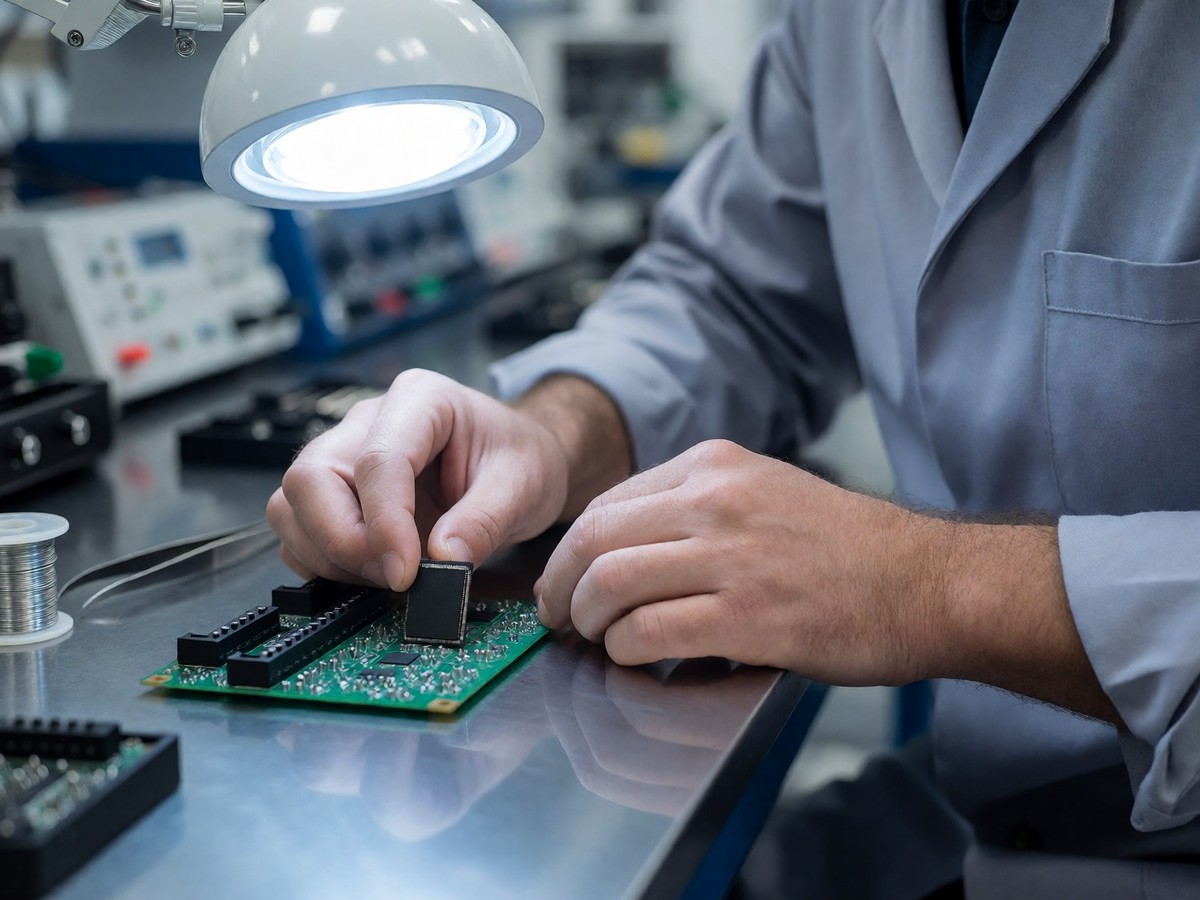
Groq’s Language Processing Unit, or LPU, is an application-specific integrated circuit designed to accelerate AI inference. The company rebranded its original Tensor Streaming Processor to the LPU to make the processor’s nature more obvious after the widespread adoption of large language models. This hardware shift allows developers to run workloads like image classification and predictive analysis on dedicated silicon rather than general-purpose GPUs. I find the deterministic architecture particularly compelling because it removes the latency unpredictability that often plagues standard cloud deployments. For teams deploying Llama models, this means consistent response times without the overhead of complex scheduling algorithms.
Understanding the Hardware Architecture
The LPU uses a functionally sliced microarchitecture where memory units are interleaved with vector and matrix computation units. This design exploits dataflow locality in AI compute graphs, which improves both execution performance and energy efficiency. The first generation chip operates at a nominal clock frequency of 900 MHz on a 14nm process node, yielding a computational density of more than 1 TeraOp/s per square millimeter of silicon. That density figure is impressive given the physical constraints of the 25 by 29 mm die size. A second generation LPU is currently being manufactured on Samsung’s 4-nanometer process node, which should further boost throughput for high-demand inference tasks.
The single-core, deterministic design avoids traditional reactive components like branch predictors, arbiters, reordering buffers, and caches. Instead, all execution is explicitly controlled by the compiler, guaranteeing determinism in every program run. This approach relies on two core observations: AI workloads exhibit substantial data parallelism that maps well onto purpose-built hardware, and a producer-consumer programming model allows for precise control over hardware components. By eliminating non-deterministic elements, the system achieves optimized performance without the jitter common in multi-threaded environments. I would recommend this architecture for any production system where latency consistency is a hard requirement, as the predictable execution path simplifies debugging and scaling.
Accessing the Developer Platform
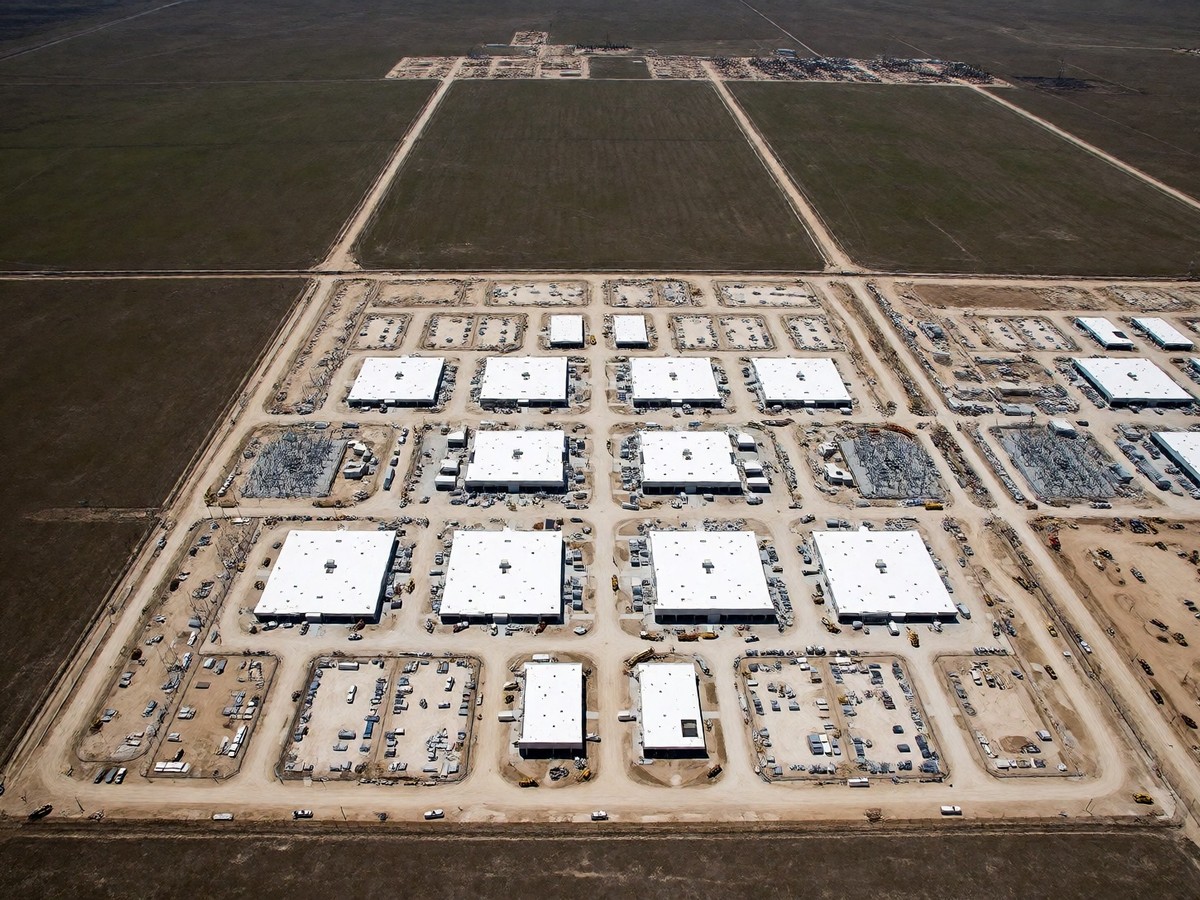
Developers can access these capabilities through GroqCloud, a platform that soft-launched in February 2024 to attract users into renting chip access via the Groq API. The company hosts open-source large language models on its LPUs for public access, available through its website and developer playground. As of 2025, Groq has established a dozen data centers across the U.S., Canada, the Middle East, and Europe to support this infrastructure. A significant expansion occurred when the Kingdom of Saudi Arabia committed US$1.5 billion to fund a new data center in Dammam, tied to the delivery of LPU-based AI inference infrastructure. This geographic spread ensures low-latency access for users in multiple regions, though specific regional pricing tiers remain opaque in the public documentation.
| Specification | Detail |
|---|---|
| Chip Process (Gen 1) | 14nm |
| Chip Process (Gen 2) | 4nm |
| Clock Frequency | 900 MHz |
| Computational Density | >1 TeraOp/s/mm2 |
| Data Centers | 12 locations globally |
The business landscape shifted significantly in December 2025 when Nvidia agreed to purchase assets from Groq for approximately US$20 billion. This deal included a non-exclusive licensing agreement for Groq’s inference technology, with founder Jonathan Ross and president Sunny Madra joining Nvidia to help scale the licensed tech. Despite this massive transaction, Groq stated it would continue to operate as an independent company under new CEO Simon Edwards. The company raised $640 million in a series D round led by BlackRock Private Equity Partners in August 2024, valuing it at $2.8 billion before the Nvidia deal. One question remains unanswered: how will the transition to an AI inference cloud business affect the stability of existing API contracts for Llama deployments?