Groq’s $20 billion deal with NVIDIA on Christmas Eve 2025 was the largest transaction in NVIDIA’s history, representing a threefold premium over Groq’s $6.9 billion valuation from September 2025. The agreement was structured as a non-exclusive license for Groq’s intellectual property rather than a full acquisition, allowing NVIDIA to avoid regulatory merger review while absorbing key engineers like founder Jonathan Ross and president Sunny Madra. This "not-acqui-hire" left Groq financially reset but technically depleted at the senior level, forcing the company to raise $650 million from existing investors to rebuild its inference cloud business. Disruptive and Infinitium guaranteed this round if other investors declined their pro-rata shares, creating a safety net for a company that lost its core leadership team. The remaining entity operates as an independent inference-as-a-service provider, relying on proprietary Language Processing Unit hardware to compete in a market where inference now drives roughly 70% of GPU cloud spend by late 2026.
Foundry Dependence and Geopolitical Exposure
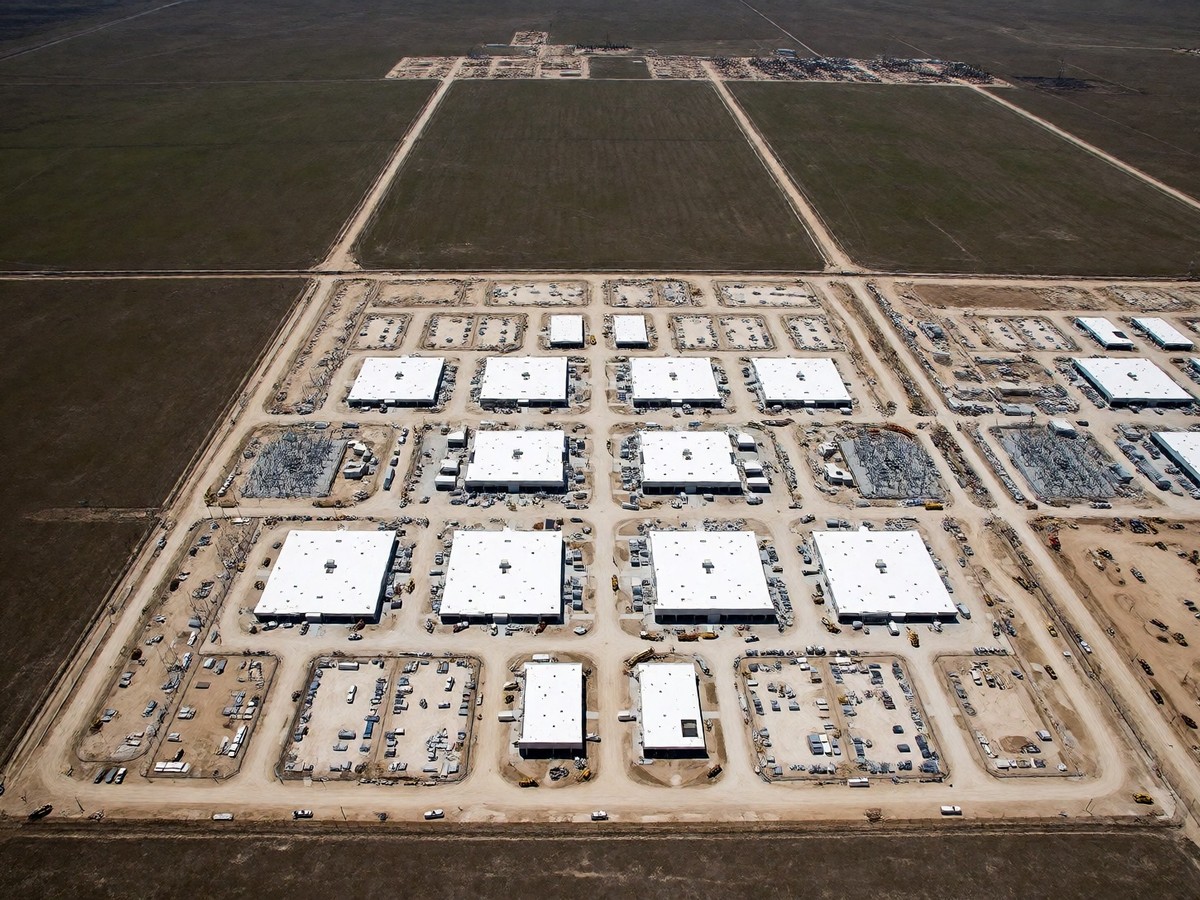
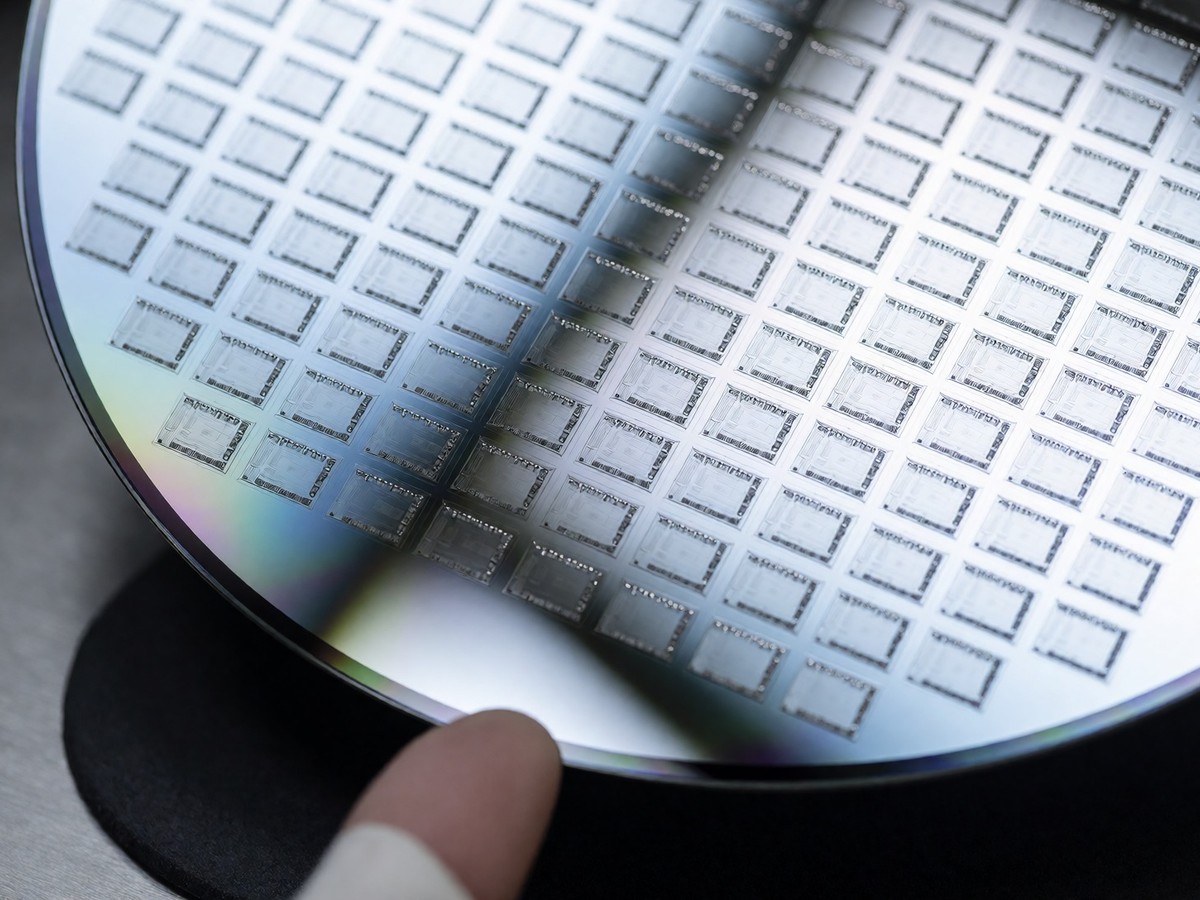
The primary physical risk lies in Groq’s reliance on Samsung Foundry for next-generation silicon. In August 2023, Groq contracted Samsung to manufacture its LPUs on the SF4X 4nm process, a choice intended to keep operations within North America. Samsung’s new fab in Taylor, Texas, sits near its original Austin facility, which broke ground in 1996, ensuring short lead times and high product availability. However, this partnership ties Groq’s roadmap to a single foundry partner in a region facing escalating geopolitical tensions. While TSMC dominates the global semiconductor market by producing nearly 90% of the world’s most sophisticated chips, Groq avoided that concentration by choosing Samsung. Yet, the broader industry remains vulnerable to disruptions in the Taiwan Strait, a critical artery for global commerce seeing trillions of dollars in goods annually. Any conflict-induced blockade could severely hamper semiconductor production and shipment, causing global shortages and substantial price hikes. Although Groq’s current manufacturing is US-based, the supply chain for advanced components is not fully isolated from these macro risks. The company must maintain strict quality standards through advanced quality management systems to safeguard operational integrity, especially as it scales systems ranging from 85,000 to more than 600,000 chips without external switches.
Competitive Squeeze and Economic Pressure
The economic environment has shifted dramatically since the initial funding rounds. DeepSeek permanently cut its V4 Pro pricing by 75%, compressing the revenue-per-token economics that inference cloud providers depend on. This aggressive price cut makes competition harder for Groq, which must deliver tokens cheaply enough to beat both GPU-based inference and model providers’ own API pricing. NVIDIA’s Blackwell and upcoming Vera Rubin platforms are designed to close the inference performance gap that gave companies like Groq their opening, further squeezing margins. Groq’s LPU architecture uses a static execution model and hundreds of megabytes of on-die SRAM to achieve cycle-level determinism, sustaining 241 tokens per second on Llama 2 70B benchmarks. This design eliminates external memory latency, a distinct advantage for single-stream workloads where NVIDIA GPUs drop in performance at batch size one. Despite this technical edge, the company faces a dual threat: NVIDIA integrating Groq’s IP into its own roadmap and rivals like Cerebras offering wafer-scale engines with 40 GB of on-chip SRAM. Whether Groq can rebuild its engineering leadership and scale its inference cloud against these combined pressures is the central question the $650 million raise attempts to answer. The investors who got cashed out at $20 billion are being asked to bet again on a smaller, leaner version of the same company, a move that reflects either deep conviction or simple obligation.